

What size are infant bike helmets
Infant bike helmets do not have one universal size. Measure the child’s head circumference, then choose a helmet whose stated range includes that measurement and confirm a secure, level fit.
Measure the head before choosing a size
Use a flexible measuring tape around the widest part of the head. Place it roughly one finger-width above the eyebrows, pass it above the ears, and wrap it around the fullest point at the back. Keep the tape level and comfortably snug rather than tight.
Record the circumference in centimetres, because helmet ranges are commonly presented that way. Measure twice to catch positioning errors. If the readings differ, repeat the measurement instead of averaging them. Hair, hats and thick accessories can distort the result, so measure the head as it will be when the helmet is worn.
Age, body height and clothing size cannot replace this measurement. Two infants of the same age may need different helmet sizes, and labels such as small or medium are not standardized measurements across every product.
Compare the measurement with the exact helmet range
The child’s measurement must fall within the size range printed for the specific helmet. A 45 cm head, for example, is not covered by a 46–51 cm range. Do not select a helmet that is too large merely to leave growing room.
A measurement at the very edge of a range deserves extra care during the physical fit check. Head shape also matters: a circumference match does not guarantee that every helmet will sit correctly. Follow the exact product manual for adjustment, intended use and any minimum-user requirements that are not stated on the size label.
How the supplied XBikes helmets compare
The two supplied catalog options help answer the sizing question because both publish the same two measured head-circumference ranges. They are relevant only when the child’s measurement fits one of those ranges; neither supplied title or size label proves that the helmet is suitable for every infant.
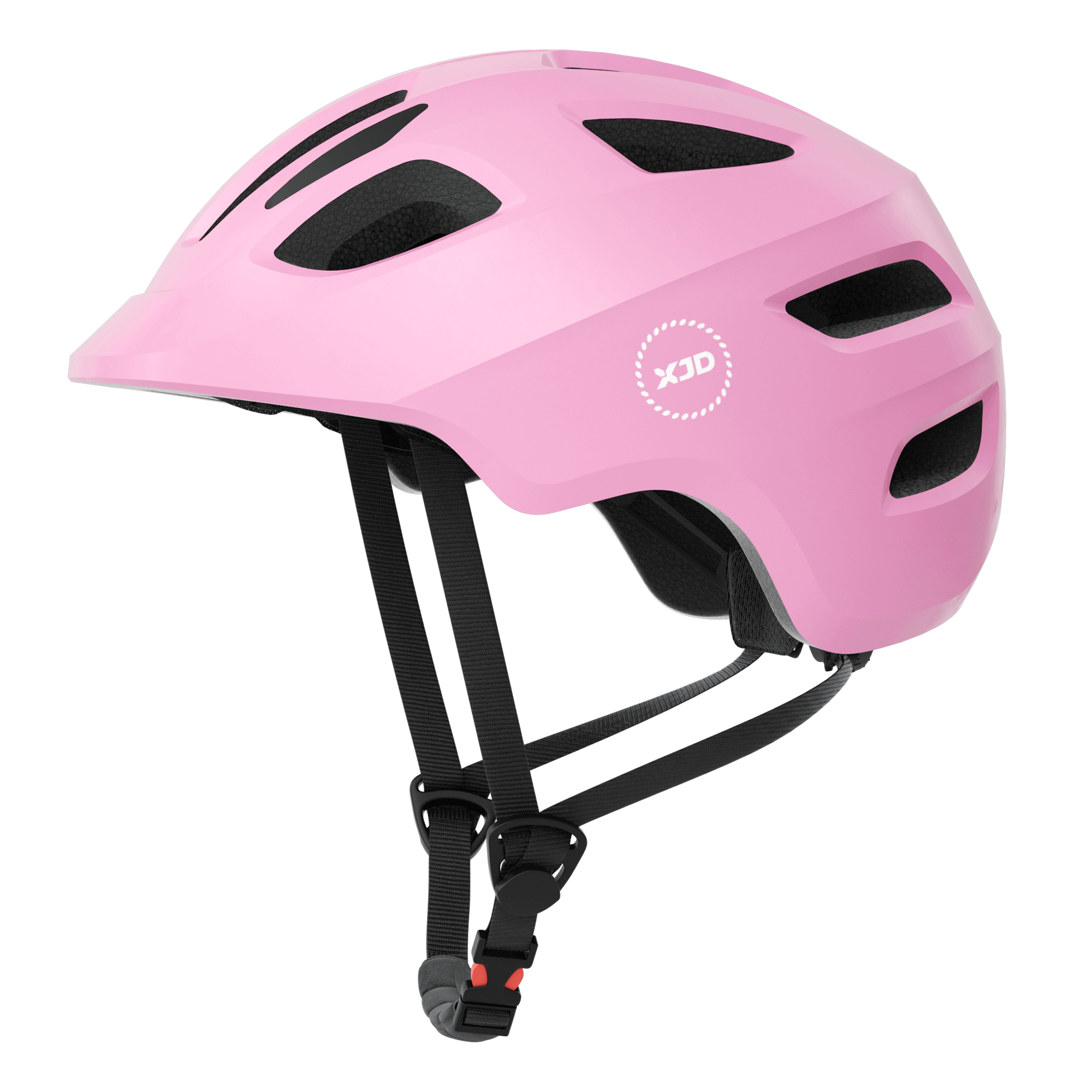 Kids Bike Helmet by XJD for Girls – Pink
Relevant only when the measured head fits its supplied S range of 46–51 cm or M range of 52–56 cm, followed by a successful on-head fit check.
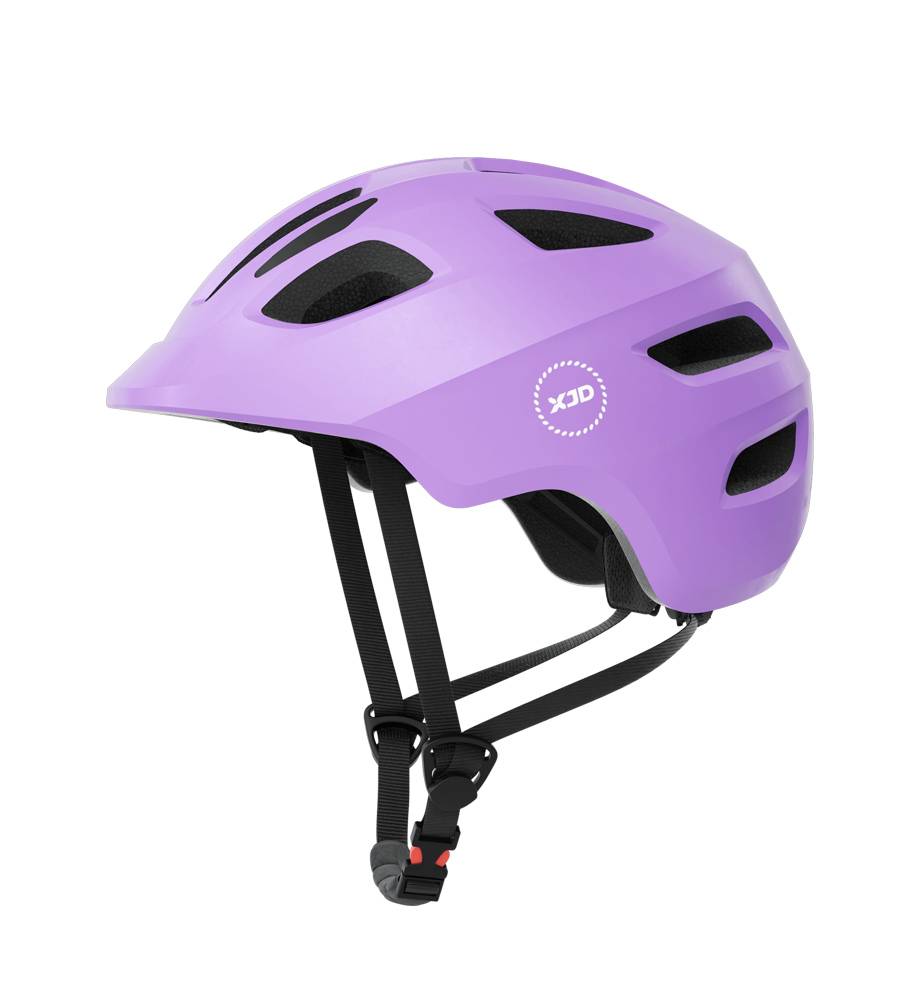 Girls' Bike Helmet from XJD – Purple
This option has the same supplied S 46–51 cm and M 52–56 cm ranges. Its exact title does not establish infant fit; measurement and an individual fit check do.
| Catalog option | Supplied sizes | When it is relevant |
|---|---|---|
| Kids Bike Helmet by XJD for Girls – Pink | S: 18.11–20.08 in / 46–51 cm; M: 20.47–22.05 in / 52–56 cm | Consider it only if the measured head falls within one of these ranges and the physical fit succeeds. |
| Girls' Bike Helmet from XJD – Purple | S: 18.11–20.08 in / 46–51 cm; M: 20.47–22.05 in / 52–56 cm | It provides the same stated size coverage, so fit cannot be distinguished from the other option by range alone. |
The color words in the exact product titles and SKU labels do not affect sizing. Both products offer black, blue, green, pink and purple SKU labels in S and M. Because their supplied measurement ranges are identical, choose between them only after confirming that the relevant SKU is labeled with the required range and that the individual fit is correct.
If the child’s head is below 46 cm, between 51 and 52 cm, or above 56 cm, neither supplied range includes the measurement. These products are then comparison points, not substitutes for a helmet with a matching stated range. Do not round the child’s measurement into an uncovered size.
Perform the fit check on the child
After selecting a matching range, put the helmet on the child and check it in the position required by the manufacturer. The U.S. Consumer Product Safety Commission’s core fit principles are that a bicycle helmet should fit properly, sit level and use its straps according to the manufacturer’s instructions.
- Position: The helmet should sit level rather than tipped back or pushed down over the eyes.
- Stability: With the retention system adjusted as directed, it should not slide freely around the head.
- Straps: Route and secure every strap exactly as the helmet instructions specify. Do not improvise alterations.
- Comfort: Look for concentrated pressure, obvious gaps or a shape mismatch. A child should not have to tolerate a painful fit.
If a matching circumference still produces poor positioning or instability, try a different helmet shape or model. A size number is a screening tool; the on-head check makes the final decision.
Keep helmet size separate from bicycle size
Helmet circumference and bicycle wheel size answer different questions. The XBikes bicycle chart begins with 12-inch bikes at ages 3–4 and rider heights of 34–40 in / 86–102 cm, but that is only a bicycle starting point and does not determine helmet size.
For any bicycle, prioritize measured height, inseam, reach, brake control and current confidence over age alone. Consistent with American Academy of Pediatrics guidance, have the child try the bicycle, check stand-over and controls, and do not buy an oversized bike for growth. None of those bicycle checks replaces measuring the head.
Make the size decision
Measure now, match the exact circumference to the helmet label, and complete the level-position and strap check on the child. Consider either supplied XBikes option only for a head within 46–51 cm or 52–56 cm; otherwise, choose a different helmet whose published range actually includes the measurement.
Bikes for your next adventure
-

Kids Bike Helmet by XJD for Boys & Girls – Black, Blue, Green, Pink, Purple
The XJD Kids Bike Helmet covers a wide 2-to-8-year age range thanks to two head-…$59.99
-
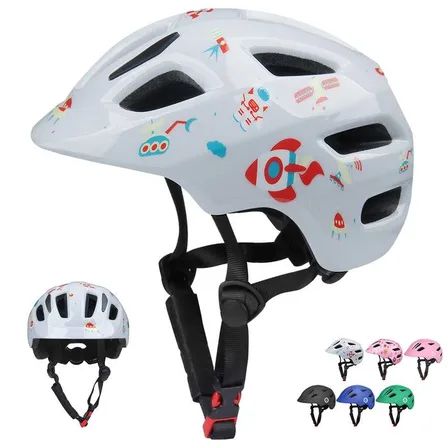
White Astronaut Bike Helmet for Kids by XJD – Toddler to Youth Sizes
4 reviews
The XJD White Astronaut kids' bike helmet is made for toddlers through younger e…$59.99
-
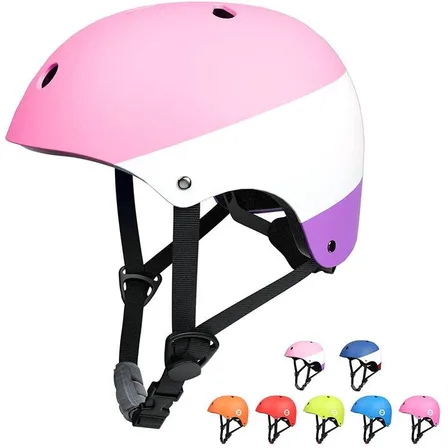
XJD Kids Bike Helmet for Boys & Girls, B White / Pink White
The XJD Kids Bike Helmet covers a wide age range — suggested for ages 2 through …$59.99