

When can a baby wear a bike helmet
A baby can wear a bike helmet only when they can support its weight, sit steadily in the intended carrier or trailer, and achieve a correct fit. Before riding, confirm readiness with the child’s pediatrician and follow the carrier or trailer manual.
Readiness comes before helmet size
A helmet that fits does not automatically mean a baby is ready to travel by bicycle. The child must have enough head, neck and trunk control to remain stable while wearing it and while the bicycle moves over bumps, turns and stops.
Check the minimum passenger requirements in the exact manual for the child seat, cargo bike seat or trailer. If the baby slumps, cannot keep their head upright, or is not permitted by that equipment’s instructions, postpone the ride. Ask the child’s pediatrician when there is any uncertainty, including after premature birth or when development or muscle control is a concern.
Never use a helmet as a way to make an unsuitable carrier, trailer or seating position acceptable. The helmet and passenger equipment each need to be appropriate independently.
Measure the baby’s head
Use a flexible measuring tape around the widest part of the head: level above the eyebrows, above the ears and around the fullest point at the back. Keep the tape snug without pressing into the skin. Measure more than once and record the circumference in centimeters.
Compare that number with the helmet’s stated size range. The measurement must fall inside the range; a helmet cannot be made suitable merely by tightening it beyond its specified adjustment. Because head shape also matters, the next step is an actual try-on.
Check the helmet on the child
Place the helmet level on the head, rather than tipped backward or pushed low over the eyes. Adjust its fitting system and straps according to the manufacturer’s instructions. It should remain secure without painful pressure, large gaps or rocking when the child moves their head gently.
- Position: The shell sits level and covers the forehead appropriately.
- Stability: It does not slide freely from side to side or front to back.
- Straps: They follow the manufacturer’s routing and adjustment instructions and remain fastened.
- Comfort: The baby can hold their head normally and shows no sign that the helmet is forcing an awkward posture.
If the fit depends on a thick hat, improvised padding or an alteration, choose a different helmet. Follow the exact helmet manual for adjustment, care and replacement instructions.
Is the supplied XBikes helmet relevant?
The Red XJD Helmet & Protective Gear Set for Kids, Medium is a useful comparison only after measuring. Its supplied M options cover 52–56 cm, while its L options cover 55–58 cm. The colors listed are black, blue, orange, pink and red in both ranges. The words “for Kids” and “Medium” are catalog labels, not proof that the helmet fits a particular baby or that the child is ready to ride.
This catalog option helps answer the question by providing concrete circumference ranges to compare with the baby’s measurement. It is relevant only if the measured head falls within one of those ranges and an in-person fit check succeeds; otherwise it is not a substitute for a smaller helmet.
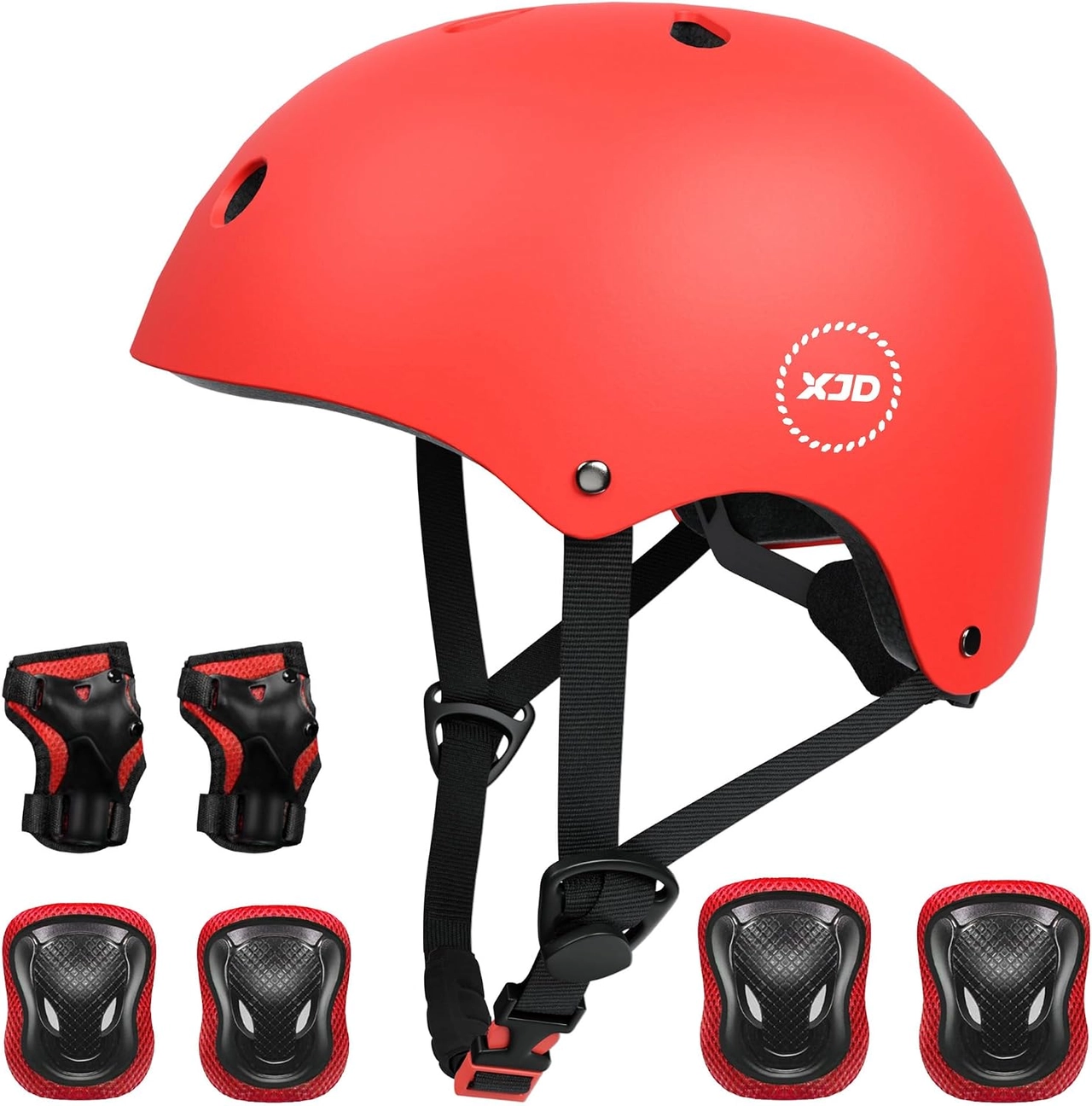
No supplied fact establishes this product’s certification, weight, materials or suitability for a specific carrier or trailer. Check the product label and exact manual for those details before use. If the baby’s head measures less than 52 cm, neither listed size is relevant.
Do not use bicycle age charts to decide helmet readiness
Wheel-size guidance applies to children riding their own bicycles, not to determining when a baby can ride as a passenger or wear a helmet. The smallest XBikes bicycle starting point is a 12-inch bike for ages 3–4 and rider height 34–40 inches (86–102 cm), but even then age is only a starting point.
For a child moving on to their own bicycle, prioritize measured height, inseam, reach, brake control and current confidence. Have the child try the bicycle, check stand-over and control, and do not buy an oversized bike for growth. None of those bicycle measurements replaces the separate helmet circumference and fit checks.
Make the decision in this order
- Confirm that the baby has adequate head, neck and trunk control with their pediatrician.
- Verify that the exact carrier, trailer or seating manual permits the child to ride.
- Measure the head circumference and compare it with the helmet’s stated range.
- Try the helmet on; confirm a level, stable and comfortable fit with correctly adjusted straps.
- Postpone the ride if any one of these checks fails.
A baby should wear a bike helmet only when both developmental readiness and equipment requirements are satisfied. Measure first: if the head is outside 52–56 cm or 55–58 cm, set aside the supplied XJD options and find a correctly sized helmet before considering the ride.
Bikes for your next adventure
-

Kids Bike Helmet by XJD for Boys & Girls – Black, Blue, Green, Pink, Purple
The XJD Kids Bike Helmet covers a wide 2-to-8-year age range thanks to two head-…$59.99
-
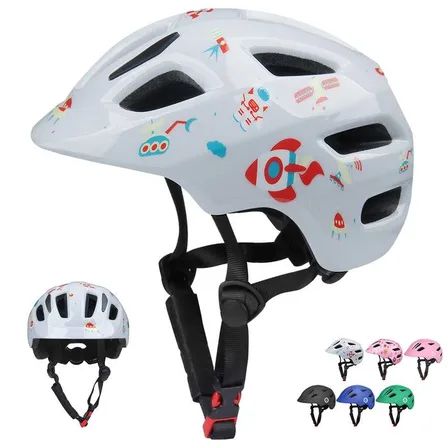
White Astronaut Bike Helmet for Kids by XJD – Toddler to Youth Sizes
4 reviews
The XJD White Astronaut kids' bike helmet is made for toddlers through younger e…$59.99
-
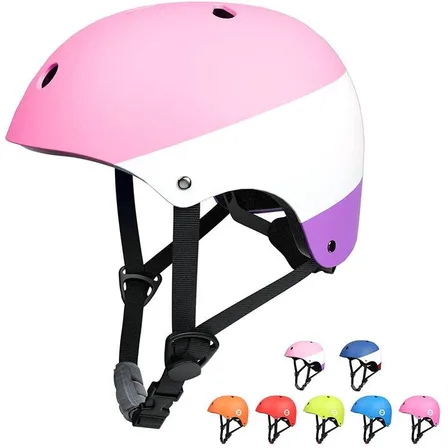
XJD Kids Bike Helmet for Boys & Girls, B White / Pink White
The XJD Kids Bike Helmet covers a wide age range — suggested for ages 2 through …$59.99