

Can a 3 year old ride a 12 inch bike
Yes, a 3-year-old can ride a 12-inch bike if their measured height, inseam, reach, brake control and confidence all support a safe, comfortable fit.
Is a 12-inch bike the right starting point?
XBikes lists a 12-inch bike as a starting point for ages 3–4 and rider heights of 34–40 inches (86–102 cm). That makes this wheel size relevant for many 3-year-olds, but age alone cannot confirm the fit. Children of the same age can differ considerably in leg length, arm reach, coordination and confidence.
Measure your child’s height without shoes and check their inseam as well. Compare those measurements with the bicycle’s exact sizing information, then have the child try the assembled bike. Do not choose an oversized bicycle simply to leave more growing room.
What to check during a real fit test
A suitable 12-inch bike should let the child get into position, steer and stop without stretching or losing balance. Check the following before deciding:
- Stand-over clearance: When the child straddles the bicycle, the frame should not prevent a stable stance. Follow the bicycle manual’s fit guidance.
- Seat position: The child should be able to start, stop and support themselves with the level of stability appropriate to their current riding ability.
- Reach: They should hold the handlebar and turn it comfortably without leaning far forward or locking their arms.
- Brake control: If the bicycle has hand controls, the child must be able to reach and operate them reliably. Use the exact product manual to identify and adjust the supplied controls.
- Confidence: The child should remain composed while mounting, steering and stopping. A technically plausible size is not useful if the bike feels intimidating or difficult to control.
How 12-inch and 14-inch options compare
| Wheel size | XBikes age starting point | XBikes rider-height starting point |
|---|---|---|
| 12 Inch | Ages 3–4 | 34–40 in / 86–102 cm |
| 14 Inch | Ages 3–6 | 37–45 in / 94–114 cm |
A 3-year-old may appear in both starting ranges, especially at 37–40 inches (94–102 cm). That overlap does not make the sizes interchangeable. The better choice is the one the child can stand over, reach, steer and stop confidently during an individual fit check. If the 14-inch bike causes stretching or uncertain control, choose the properly fitting 12-inch option rather than sizing up for future growth.
A catalog option relevant to this question
The Flower Pink XJD Girls Bike with Doll Seat & Basket is categorized as a training wheel bike and is offered with 12 Inch, 14 Inch and 16 Inch SKU labels. Its 12 Inch option directly matches the wheel size in the question, while its 14 Inch option can help parents compare the two nearby XBikes sizing starting points. The 16 Inch option starts at ages 4–7 and heights of 40–48 inches (102–122 cm), so it should not be treated as equivalent to a 12-inch bike or selected merely for growth.

These catalog labels establish the available sizes, but they do not prove that any one SKU fits a particular child. Check the selected bicycle in person where possible, and consult its exact product manual for assembly, adjustments, maintenance, load limits, compatibility and torque information. If those instructions are unclear or the setup cannot be confirmed, use a qualified bicycle mechanic.
Prepare for the first ride
Complete the fit check in a quiet, open area away from traffic and obstacles. Ask the child to demonstrate mounting, looking ahead, steering a controlled path and stopping on request. Stay close enough to assist without preventing the child from showing whether they can control the bicycle independently.
A bicycle helmet is essential, but simply owning the correct general helmet size is not enough. Follow the helmet manufacturer’s instructions so it fits properly, sits level and has correctly positioned straps. Recheck the fit before riding.
Pause if the child cannot reach the controls, repeatedly tips while trying to stop, struggles to turn the handlebar, or appears frightened by the bike’s size. Those signs call for another fit assessment, a different setup or more practice—not pressure to continue.
The decision for your 3-year-old
Start with the 12-inch category if your child measures within 34–40 inches (86–102 cm), then confirm inseam, stand-over clearance, reach, braking and confidence on the actual bicycle. Consider a 14-inch option only when the child’s measurements and hands-on control support it. If either size compromises stable starting, steering or stopping, do not buy it for anticipated growth; choose a better-fitting bike or wait until the child is ready.
Bikes for your next adventure
-
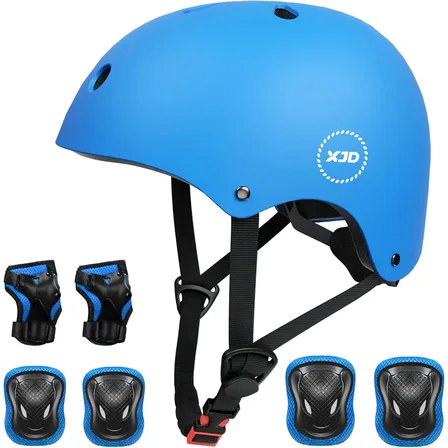
Blue XJD Helmet & Protective Gear Set for Kids, Sizes S/M
The Blue XJD Helmet & Protective Gear Set is made for kids roughly 3 to 8 years …$23.79
-
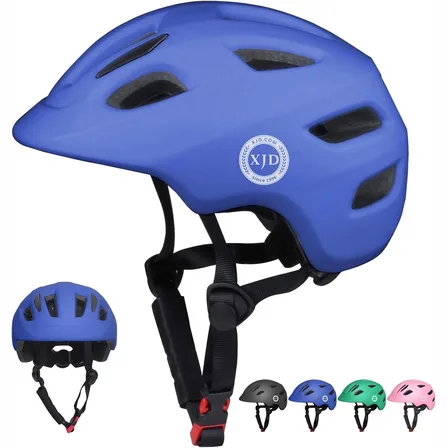
Blue XJD Kids' Bike Helmet, Adjustable Fit – Sizes XS & S
The Blue XJD Kids' Bike Helmet is a lightweight, adjustable helmet for toddlers …$20.39
-
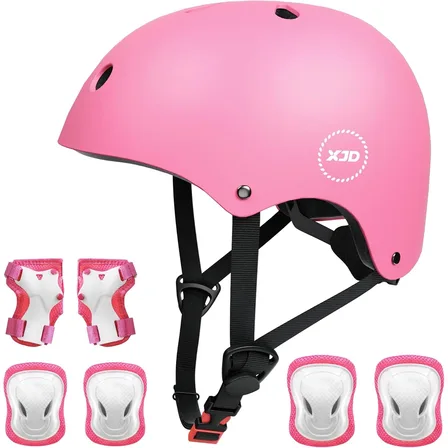
XJD Kids Helmet & Protective Gear Set for Girls, Pink
The XJD Kids Helmet & Protective Gear Set in Pink is a complete safety kit for g…$24.64