

What size bike for 3yr old
Choosing a bike for a 3-year-old starts with readiness, not a birthday label. Some children are still happiest on a tricycle or balance bike, while others are ready to explore a small pedal bicycle with close supervision. The useful question is whether the child can sit securely, steer without panic and respond to a simple stop instruction. A bike that feels manageable today will teach more than a larger bike bought for future growth.
Decide what “ready” looks like
Watch how the child moves before shopping. Can they walk while holding a bike or scooter, look ahead, and slow down when asked? Interest matters too. If a child is frightened or tired, postpone the lesson rather than turning the purchase into a test. For a first two-wheeler, balance and stopping are more important than distance. A pedal model with training wheels can be a reasonable stage for one rider, while another may learn balance first and add pedals later.
Find the usable size
Use the manufacturer’s height and inseam guidance as a starting range, then check the actual bike. Sitting on the saddle, the child should reach the handlebar without stretching and should be able to place the balls of both feet on the ground for a beginner fit. When straddling the frame, look for clearance rather than forcing the child to tiptoe. Brake levers must be close enough for small hands to squeeze. Wheel diameter helps narrow the search, but frame reach, weight and saddle adjustment determine whether the child can control it.
Balance, pedals and training wheels
Training wheels provide stability while a child practices pedaling, but they do not automatically teach balance. Keep the bike upright and let the rider practice starting, steering around a wide marker and stopping. If the child is learning to glide, a low, light balance setup can make it easier to feel steering changes. Do not remove equipment on a schedule; remove it when the rider can balance and stop calmly. The safest progression is the one that matches the child’s confidence.
A three-minute fit test
- Ask the child to mount and dismount without being lifted.
- Check relaxed elbows, reachable grips and accessible brakes.
- Practice a slow straight roll, a wide turn and a controlled stop.
- Notice whether the bike feels heavy or pulls the child off balance.
If any step causes repeated hesitation, try a smaller or lighter option. Children grow quickly, but a bike cannot be made safe by leaving the saddle too low or accepting a stretched reach.
How the XBikes shortlist can help
The original card below gives three early-riding comparisons. The light-pink bicycle with a basket may appeal to a child who wants a familiar, accessory-friendly first bike. The blue girls’ model is useful when a family wants to compare several listed wheel sizes in one product line. The blue boys’ model provides another color and frame presentation without changing the basic fit questions. Open the live listings to confirm the available wheel size, adjustment range and current equipment before choosing.
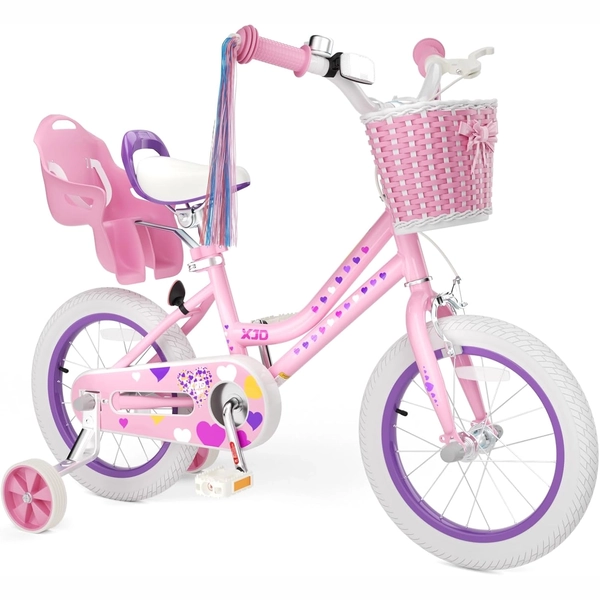 Light Pink XJD Girls' Bicycle with Basket & Training Wheels
Why it fits: Its smaller-wheel or training-wheel configuration is a useful match for early pedal practice, where stable starts and stops matter most.
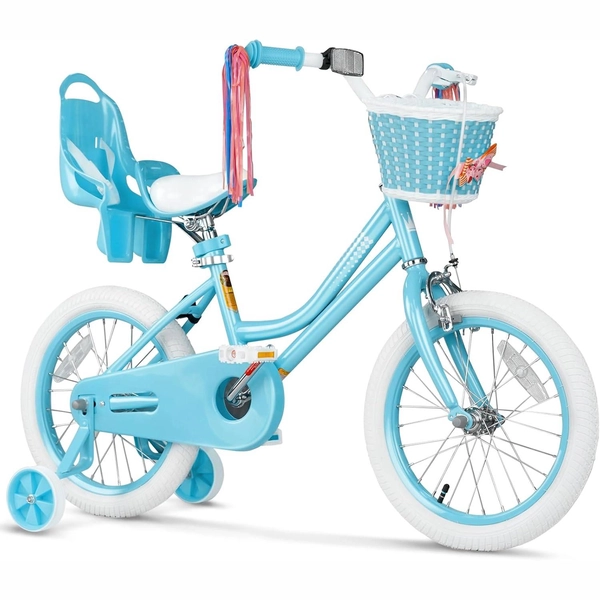 Blue XJD Girls Bike with Training Wheels – 12/14/16 Inch
Why it fits: Its smaller-wheel or training-wheel configuration is a useful match for early pedal practice, where stable starts and stops matter most.
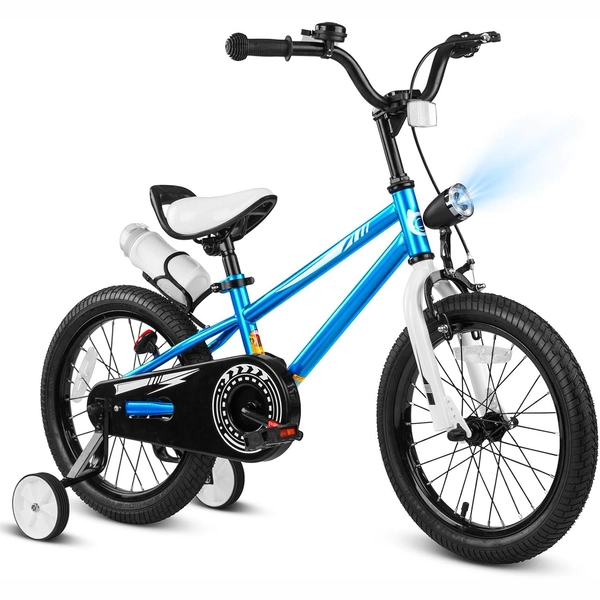 XJD Boys 12/14/16" Training Wheel Bike – Blue
Why it fits: Its smaller-wheel or training-wheel configuration is a useful match for early pedal practice, where stable starts and stops matter most.
Set up a safe first session
Before riding, check that the wheels turn freely, tires are inflated to the maker’s range, pedals are tight and brakes work. Choose a flat, enclosed place away from traffic, driveways and water. A properly fitted bicycle helmet should sit level and low on the forehead, remain stable when the child shakes their head, and have a snug chin strap. Stay close, keep practice short and stop while the child is still enjoying it.
FAQ
Is a 12-inch bike always right for a 3-year-old?
No. It is a common comparison, but the child’s height, inseam, reach and ability to control the bike decide the fit. A tricycle or balance bike may be more appropriate.
Should a 3-year-old use hand brakes?
Only if the child can comfortably reach and squeeze them. Verify the product design and practice stopping slowly before riding farther.
How long should the first ride be?
There is no required distance. A few successful minutes of mounting, steering and stopping is a better beginning than a long, tiring ride.
Source note: Readiness and fit principles are summarized from HealthyChildren.org; helmet requirements and fit guidance are checked against NHTSA and CPSC.
Bikes for your next adventure
-

Black XJD Kids Bike for Boys – 12, 14 & 16 Inch Sizes
For a son between roughly 3 and 8 years old, the XJD Kids Bike in Black covers t…$169
$199 -

XJD Girls Bike for Kids Ages 3-8, 12/14/16 Inch with Training Wheels – Purple
The XJD Girls Bike in Purple is a training-wheel bicycle for kids ages 3 to 8, f…$149
$169 -

Blue XJD Girls Bike with Training Wheels – 12/14/16 Inch
If you're shopping for a first pedal bike for a daughter roughly 3 to 8 years ol…$149
$169