

Can a 2.5 year old ride a bike
Yes, some 2.5-year-olds can ride a bike, but age alone cannot determine readiness. Measure your child and confirm that they can stand over, reach, steer and brake the actual bicycle confidently before buying.
Start with readiness, not the birthday
At two and a half, a child may be ready to practise if the bicycle fits and they can follow simple directions, hold the handlebar, steer deliberately and stop under control. Another child of the same age may need more time. Current confidence and control matter more than reaching a particular birthday.
Do not buy a larger bicycle for your child to grow into. An oversized bike can make mounting, balancing, steering and stopping harder. The useful question is not simply whether a 2.5-year-old can ride; it is whether your 2.5-year-old can control a correctly fitted bicycle now.
Measure height and inseam first
Measure standing height without shoes, with your child upright against a wall. Then measure inseam from the floor to the crotch while the child stands naturally. Record both measurements in inches or centimetres and take them when comparing bicycles.
XBikes lists the following wheel-size starting points. They narrow the search, but they do not replace trying the exact bicycle.
| Wheel size | Starting age | Rider height |
|---|---|---|
| 12 Inch | 3–4 | 34–40 in / 86–102 cm |
| 14 Inch | 3–6 | 37–45 in / 94–114 cm |
| 16 Inch | 4–7 | 40–48 in / 102–122 cm |
| 18 Inch | 5–9 | 43–52 in / 109–132 cm |
| 20 Inch | 7–12 | 48–60 in / 122–152 cm |
| 24 Inch | 10–14 | 54–64 in / 137–163 cm |
| 26 Inch | Youth and adults | Over 60 in / 153 cm |
Because the listed starting age for a 12 Inch bike is three, a 2.5-year-old falls below that age starting point. However, measured height is more informative than age alone. If your child is also below the listed 12 Inch height range, the supplied catalog bikes are unlikely to be relevant yet.
Perform the fit check on the actual bike
Have your child try the bicycle rather than deciding from a size label. With adult support, check these points:
- Stand-over: the child can straddle the bicycle securely rather than being forced onto tiptoes or leaning sharply.
- Reach: the child can hold the handlebar and turn it without stretching, locking the arms or losing a stable posture.
- Brakes: the child can reach and operate the bicycle’s braking controls as provided, then stop predictably.
- Control: the child can mount, look ahead, steer and respond to instructions without panic.
- Confidence: the child appears willing and attentive rather than frightened or overwhelmed.
If any check fails, do not treat training wheels as a cure for poor fit. Pause, try an appropriately smaller option if one exists, or wait and measure again later.
How the supplied XBikes options compare
These particular catalog options help answer the question because all three are training-wheel bicycles and all offer a 12 Inch SKU, the smallest supplied wheel size and therefore the first catalog size worth comparing against the child’s measurements and hands-on fit.
 Light Pink XJD Girls' Bicycle with Basket & Training Wheels
A training-wheel bicycle offered in 12, 14, 16 and 20 Inch SKUs. For this question, the 12 Inch option is the relevant starting comparison, subject to measured height and an individual fit check.
 Blue XJD Girls Bike with Training Wheels – 12/14/16 Inch
This training-wheel bike is available in 12, 14 and 16 Inch SKUs. Its 12 Inch version may merit comparison when the child’s measured height aligns, but age and the product title cannot confirm fit.
 XJD Boys 12/14/16" Training Wheel Bike – Blue
Available as a training-wheel bike in 12, 14 and 16 Inch SKUs. The 12 Inch option is the first relevant catalog comparison; stand-over, reach, brake control and confidence must still be checked.
Light Pink XJD Girls' Bicycle with Basket & Training Wheels is listed in 12 Inch, 14 Inch, 16 Inch and 20 Inch sizes. For a 2.5-year-old, only the 12 Inch version is a plausible starting comparison under the supplied standard; the larger labels do not establish suitability.
Blue XJD Girls Bike with Training Wheels – 12/14/16 Inch offers 12 Inch, 14 Inch and 16 Inch SKUs. Its title and category identify it as a training-wheel bike, but neither proves that an individual child can stand over it, reach its controls or brake confidently.
XJD Boys 12/14/16" Training Wheel Bike – Blue also offers 12 Inch, 14 Inch and 16 Inch SKUs. Wording such as “Girls” or “Boys” is part of the exact catalog title, not bicycle fit evidence; choose according to measurements and control.
Prepare for a supervised first ride
Use a quiet riding area away from traffic and other avoidable hazards, and keep an adult close enough to intervene. A bicycle helmet should fit properly, sit level and have its straps adjusted according to the helmet manufacturer’s instructions.
Follow the exact bicycle manual for assembly, maintenance, adjustments, compatibility and load limits. If the manual is unavailable, an instruction is unclear or the bicycle does not operate correctly, use a qualified bicycle mechanic rather than guessing at a procedure or setting.
Make the decision
Measure your 2.5-year-old today. Compare the result with the 12 Inch starting range, then arrange an actual fit check. Proceed only if the child can stand over the bike, reach and operate the controls, steer, stop and remain confident; otherwise, wait rather than sizing up for growth.
Bikes for your next adventure
-
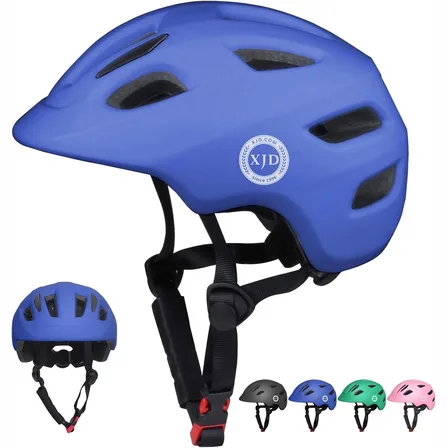
Blue XJD Kids' Bike Helmet, Adjustable Fit – Sizes XS & S
The Blue XJD Kids' Bike Helmet is a lightweight, adjustable helmet for toddlers …$20.39
-
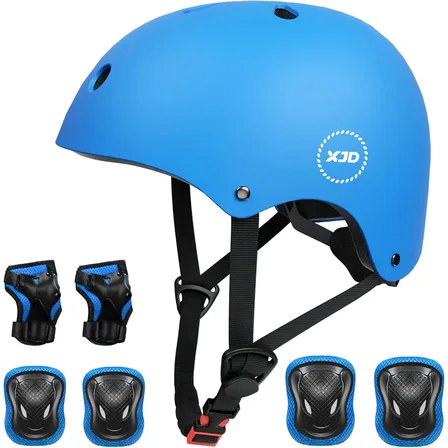
Blue XJD Helmet & Protective Gear Set for Kids, Sizes S/M
The Blue XJD Helmet & Protective Gear Set is made for kids roughly 3 to 8 years …$23.79
-
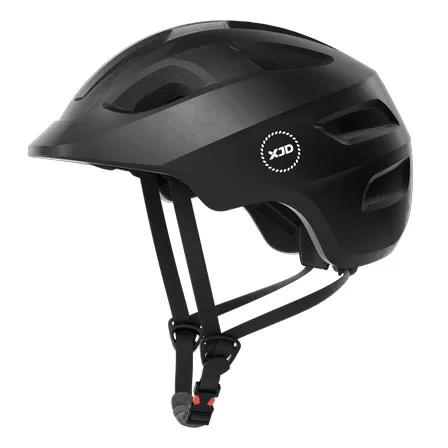
Kids Multi-Sport Bike Helmet by XJD – Black
7 reviews
The XJD Kids Multi-Sport Bike Helmet in Black is a lightweight, adjustable helme…$59.99
$49