

Do i want 24 inch or 26 inch bike
Choose 24 inches if the rider is 54–64 inches (137–163 cm) and fits it comfortably; consider 26 inches above 60 inches (153 cm), but confirm control in person.
The short answer: 24 or 26 inches?
A 24-inch bike is the usual starting point for riders ages 10–14 and 54–64 inches (137–163 cm) tall. A 26-inch bike is a starting point for youth and adults over 60 inches (153 cm). Because those height ranges overlap above 60 inches, height alone may not settle the choice.
In that overlap, select the bike the rider can stand over, reach and steer comfortably. They must also be able to operate the brakes confidently. Do not choose the 26-inch option merely to leave extra room for growth. A bike that is too large now can be harder to start, stop and control.
Measure before comparing bikes
Measure the rider without shoes, ideally with help so they remain upright. Record total height, then measure inseam from the floor to the crotch. Inseam does not automatically determine wheel size, because frame dimensions can vary, but it helps when checking stand-over room.
- Measure height: Stand against a wall with feet flat and look straight ahead. Mark the top of the head and measure from the floor.
- Measure inseam: Stand with feet slightly apart and measure vertically from the floor to the crotch.
- Record both: Take the measurements to the fit check rather than relying on age or a previous bike size.
| Wheel-size starting point | Age guidance | Rider-height guidance |
|---|---|---|
| 24 Inch | Ages 10–14 | 54–64 in / 137–163 cm |
| 26 Inch | Youth and adults | Over 60 in / 153 cm |
Age is only a rough starting point. A shorter 14-year-old may fit a 24-inch bike better, while a tall younger rider might be ready to try both sizes. The individual fit check decides.
Try both sizes when the rider is over 60 inches
With the bicycle upright, ask the rider to straddle the frame with both feet on the ground. They should not be forced onto tiptoes or pressed uncomfortably against the frame. Then have them sit in a normal riding position and check whether they can reach the handlebar without excessive stretching or crowding.
Next, check steering and braking. The rider should be able to turn the handlebar without losing a stable posture and reach the brake controls with a secure grip. Compare how easily they can start, stop, turn and put a foot down. Current confidence matters: a rider who feels composed on the 24-inch bike but strained on the 26-inch bike should not be moved up solely because the larger size might last longer.
How the catalog option helps
The Pink XJD Beach Cruiser Bike, 24"/26", U-Brake is relevant because its available SKU labels include both 24 Inch and 26 Inch. That makes these particular catalog options useful for comparing the two wheel-size choices named in the question. It is listed in the Beach Cruiser Bikes category; its exact frame dimensions, adjustment range and other fit details are not supplied here, so the size label cannot replace a hands-on check.

Confirm that you are viewing the intended SKU label before making a comparison. Do not assume the two versions have identical proportions beyond their supplied wheel-size labels. For assembly, adjustment, maintenance, load limits, compatibility and torque requirements, follow the exact product manual or ask a qualified bicycle mechanic.
Reasons to reject either size
- Reject the 26-inch option for now if the rider cannot stand over it comfortably, must stretch for the handlebar, struggles to reach or operate the brakes, or loses confidence during starts and stops.
- Reject the 24-inch option if the rider is cramped, cannot assume a comfortable riding position, or cannot control it properly even after permitted adjustments described in the product manual.
- Reject both options if neither gives comfortable stand-over, reach, steering and brake control. Wheel diameter is not a reason to accept a poor fit.
HealthyChildren guidance supports having the child try the bicycle, checking stand-over and control, confirming brake reach, and avoiding an oversized bike bought only for growth.
Make the final choice
If the rider is below 60 inches (153 cm) but within the 24-inch height range, start with 24 inches. If the rider is over 60 inches, compare both sizes and choose the one that provides the more natural reach, easier brake operation and steadier control. If the rider exceeds the 24-inch range, begin the fit check with 26 inches, while still rejecting it if control is poor.
Before riding, use a properly fitting bicycle helmet. It should sit level, with its straps used according to the helmet manufacturer’s instructions. The practical next step is simple: measure height and inseam, try the relevant 24-inch and 26-inch options, and buy only the size the rider can control confidently today.
Bikes for your next adventure
-
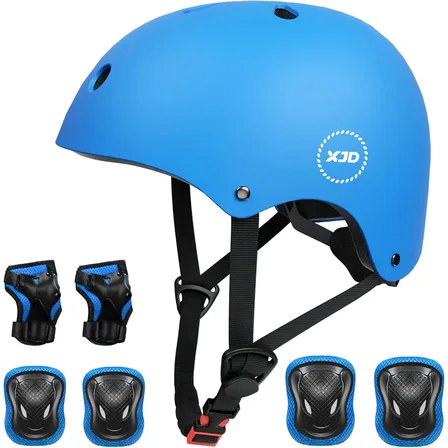
Blue XJD Helmet & Protective Gear Set for Kids, Sizes S/M
The Blue XJD Helmet & Protective Gear Set is made for kids roughly 3 to 8 years …$23.79
-
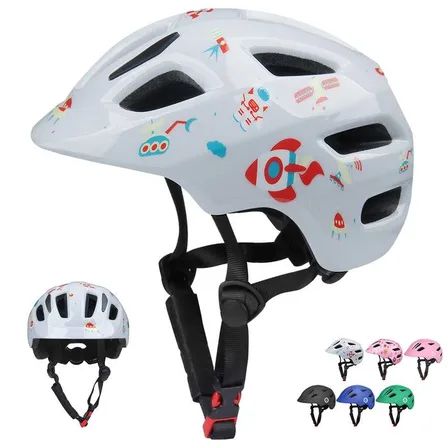
White Astronaut Bike Helmet for Kids by XJD – Toddler to Youth Sizes
4 reviews
The XJD White Astronaut kids' bike helmet is made for toddlers through younger e…$59.99
-
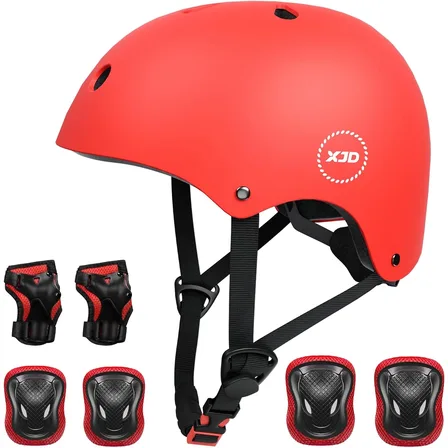
Red XJD Helmet & Protective Gear Set for Kids, Medium
If your child rides a bike, scooter, or skateboard, this red XJD helmet and prot…$25.49
$29.99