

How much weight does a 20 inch bike hold
A 20-inch bike does not have one universal weight limit. Use the exact maximum load stated in that bicycle’s manual or manufacturer documentation; wheel diameter alone cannot tell you how much weight the bike can hold.
What determines the weight limit
“20 inch” describes the wheel size, not the strength of the complete bicycle. Two bikes with 20-inch wheels can have different permitted loads because their frames, wheels, tires, seats and other components may differ. A child’s age, height or apparent size also does not establish the bicycle’s capacity.
Look for a clearly stated maximum rider weight or maximum permissible load for the exact model and size. Read how the manufacturer defines that figure. Maximum permissible load may include the rider and anything carried on the bicycle, while a rider-weight figure may not. Do not assume the two terms mean the same thing.
If the limit is absent or unclear, contact the manufacturer with the exact model information or ask a qualified bicycle mechanic. Do not estimate capacity from another 20-inch bicycle, a larger wheel size or the child’s previous bike.
Measure before comparing
First weigh the child in normal riding clothes, including shoes and any routinely worn equipment. Then account for items the bicycle will carry, if the manual’s load definition requires them. Compare the resulting figure with the published limit and follow every qualification in the exact product manual.
- Rider measurement: Use a reliable scale rather than an estimate based on age.
- Carried load: Include attached or carried items when the manufacturer defines them as part of total load.
- Exact specification: Match the brand, model, wheel-size version and configuration.
- Condition: Damage, loose parts or worn components need attention even when the measured load is below the stated limit.
Never treat the published maximum as a target. If the child’s measured load exceeds the stated limit, or you cannot verify a limit, do not use that bicycle until the manufacturer or a qualified mechanic provides model-specific guidance.
Weight capacity and rider fit are separate checks
A bike can be within its load limit and still fit poorly. The XBikes starting point for a 20-inch bicycle is ages 7–12 and a rider height of 48–60 inches (122–152 cm), but height and age ranges are only starting points. Measure the child rather than relying on age alone.
Have the child try the bicycle. Check stand-over clearance, inseam suitability, reach to the handlebar, reliable access to the brakes and the ability to start, steer and stop with control. Current confidence matters too. Do not buy an oversized bicycle merely to allow room for growth.
If the child falls outside the 20-inch starting range, do not automatically select a different size from age alone. Compare the measured height with the XBikes size starting points, then confirm inseam, reach, brake control and confidence on the actual bicycle.
How the supplied 20-inch options are relevant
Girls' Training Wheel Bike by XJD, 12–20 Inch Wheels – Blue and XJD Girls' Bike with Training Wheels, 12/14/16/20 Inch – Purple are both cataloged as Training Wheel Bikes. Each offers labeled 12 Inch, 14 Inch, 16 Inch and 20 Inch SKUs, so the 20 Inch version of either is relevant when comparing bikes for this wheel-size question. However, the supplied catalog facts do not include a load limit. These products therefore provide exact-size shopping options, not evidence of how much weight either bicycle holds.
 Girls' Training Wheel Bike by XJD, 12–20 Inch Wheels – Blue
Available in a labeled 20 Inch SKU, this Training Wheel Bike is relevant to the requested wheel size, but the supplied facts provide no weight limit; verify the exact manual.
 XJD Girls' Bike with Training Wheels, 12/14/16/20 Inch – Purple
This Training Wheel Bike includes a labeled 20 Inch SKU among its available sizes. Its load capacity is not supplied, so confirm the exact model documentation before use.
Choose the 20 Inch SKU only if the individual fit check supports that size. Do not use the presence of training wheels, the product name or another size in the same listing as proof of capacity or fit. Verify the manual for the exact SKU before riding.
Inspect the bike before use
A capacity figure does not override the bicycle’s condition or assembly requirements. Follow the exact product manual for assembly, tire guidance, adjustments, maintenance and any model-specific restrictions. Because none of those details were supplied for these products, they should not be inferred. If assembly is uncertain, parts are damaged, or a wheel, seat or control feels loose, stop and use a qualified bicycle mechanic.
The child should also wear a properly fitting bicycle helmet. It should sit level, and its straps should be adjusted according to the helmet manufacturer’s instructions.
The decision to make now
- Measure the child’s current riding weight, height and inseam.
- Find the exact model’s written maximum load and confirm what that number includes.
- Reject the bike if the measured applicable load exceeds that limit or the limit cannot be verified.
- Try the 20-inch bicycle and confirm stand-over, reach, brake access and controlled riding.
- Use the exact manual or a qualified mechanic for unresolved assembly, condition or capacity questions.
For a 20-inch bike, proceed only when both answers are clear: the child’s applicable measured load is within the exact model’s published limit, and the child can comfortably control the bicycle during an individual fit check.
Bikes for your next adventure
-

Flower Pink XJD Girls Bike with Doll Seat & Basket
The XJD Flower Pink girls' bike is made for riders 71–122 cm tall (roughly ages …$69.99
-
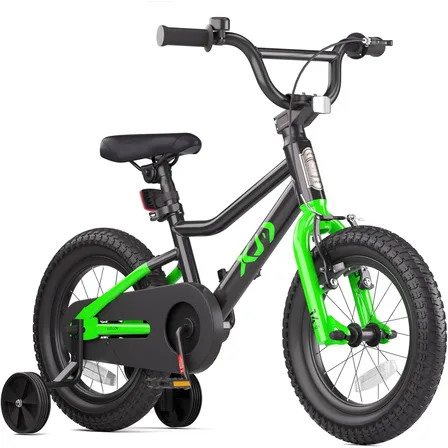
Black XJD Kids' BMX Bicycle with Training Wheels
The XJD Kids' BMX Bicycle with Training Wheels is built for children roughly 3 t…$99.99
$119.99 -
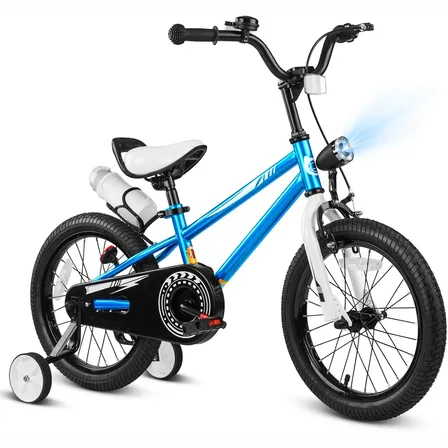
XJD Boys 12/14/16" Training Wheel Bike – Blue
The XJD Boys Bike in Blue is a training wheel bike for riders 71–122 cm tall—rou…$169
$199