

How old can baby ride in bike seat
A baby should ride in a bike seat only after they can sit upright unsupported, steadily control their head and fit the seat and helmet correctly. There is no single age that proves readiness; follow the exact child-seat manual and ask a pediatrician if development is uncertain.
Check readiness before using a bike seat
Age is only a rough clue because babies develop at different rates. Before riding, confirm that the child can remain upright without being propped up and can keep their head stable while wearing a properly fitted bicycle helmet. A child who slumps, tips sideways or cannot support the helmet is not ready.
The seat must also be intended for the child’s present size. Compare the child’s measurements with the exact manufacturer instructions, including any stated minimum age, weight or height and all load limits. Do not estimate missing limits or assume that a child will soon grow into the seat.
What to measure and compare
- Current height and weight: Measure them now, then compare them with the child-seat manual’s permitted range.
- Seated fit: Check that the child sits in the intended position without slumping and that the restraint can be adjusted as the manual directs.
- Helmet fit: The helmet should sit level and fit properly, with its straps used according to the helmet manufacturer’s instructions.
- Bicycle compatibility: Confirm that the seat, bicycle and mounting location are compatible. Use the exact manuals or a qualified bicycle mechanic when compatibility information is unavailable.
- Adult control: With the seat fitted and loaded as permitted, the adult rider must be able to mount, stop, balance and handle the bicycle confidently.
If any requirement is unclear, postpone the ride. Do not invent a mounting method, torque setting or load limit; obtain the correct manual or have a qualified bicycle mechanic inspect the setup.
Do a stationary fit check first
Install the seat exactly as its manufacturer specifies. With another adult stabilizing the bicycle, place the helmeted child in the seat and secure every restraint and foot-retention feature as directed. Confirm that clothing, straps and feet cannot reach moving parts.
Next, check for slumping, restricted breathing, loose restraints or contact with the wheel and other moving components. If the child cannot remain correctly positioned, the setup shifts, or the bicycle becomes difficult to control, do not ride. Recheck fit before every outing because both children and equipment change.
Why these catalog bikes are different
The supplied XBikes products are child-operated bicycles, not baby passenger seats. They therefore do not answer which baby seat fits an infant or when that infant is developmentally ready. They are useful only as later-stage comparison points for the time when a child is ready to control a bicycle independently. Their listed wheel sizes must still be checked against measured height, inseam, reach, brake control and confidence.
 XJD Boys & Girls BMX Bike with Training Wheels, 12/14/16" – Blue
A later-stage comparison option, not a baby passenger seat. Its supplied 12, 14 and 16 Inch choices begin with XBikes starting points for riders ages 3–7, subject to individual fit.
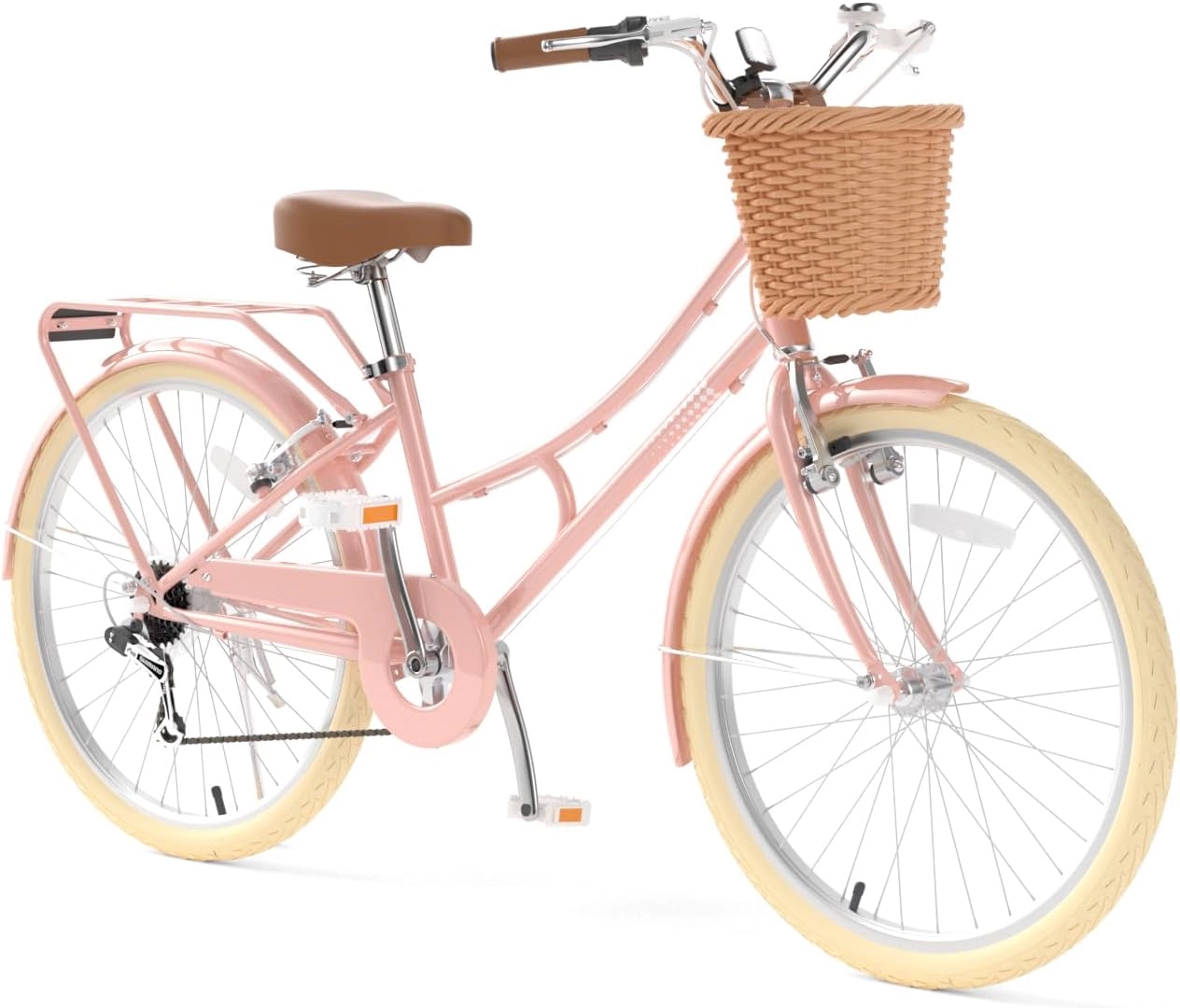 XJD Pink Beach Cruiser for Girls – Rear Rack & V-Brake
This child-operated beach cruiser is not relevant to carrying a baby. Its supplied 20, 24 and 26 Inch sizes are comparison points for substantially taller independent riders.
 Girls' Training Wheel Bike by XJD with Basket – Purple
This is an independent-rider bicycle rather than a baby seat. Its supplied 14, 16 and 20 Inch choices span XBikes starting points from ages 3–12, with measured fit taking priority.
When the supplied products become relevant
| Catalog option | Available sizes and XBikes starting points |
|---|---|
| XJD Boys & Girls BMX Bike with Training Wheels, 12/14/16" – Blue | 12 Inch: ages 3–4, 34–40 in / 86–102 cm; 14 Inch: ages 3–6, 37–45 in / 94–114 cm; 16 Inch: ages 4–7, 40–48 in / 102–122 cm. |
| Girls' Training Wheel Bike by XJD with Basket – Purple | 14 and 16 Inch use the ranges above; 20 Inch starts at ages 7–12 and 48–60 in / 122–152 cm. |
| XJD Pink Beach Cruiser for Girls – Rear Rack & V-Brake | 20 Inch: ages 7–12, 48–60 in / 122–152 cm; 24 Inch: ages 10–14, 54–64 in / 137–163 cm; 26 Inch: youth and adults over 60 in / 153 cm. |
These ages are starting points, not permission to ride and not substitutes for a fit check. Have the child try the bicycle. Check stand-over clearance, comfortable reach, reliable brake control and the ability to start, steer and stop with current confidence. Do not buy an oversized bicycle merely for growth.
Make the decision for today
Use the baby’s present abilities and the child-seat manufacturer’s limits, not a birthday alone. Ride only when the child has stable unsupported sitting and head control, fits both seat and helmet correctly, and the bicycle-seat combination is confirmed compatible. Otherwise, wait and recheck later. The three catalog bicycles become relevant only after the child is ready to ride independently and fits one of their available wheel sizes.
Bikes for your next adventure
-

Kids Bike Helmet by XJD for Boys & Girls – Black, Blue, Green, Pink, Purple
The XJD Kids Bike Helmet covers a wide 2-to-8-year age range thanks to two head-…$59.99
-

Kids Bike Helmet by XJD for Girls – Pink
The XJD Kids Bike Helmet in Pink is a lightweight multi-sport helmet for girls r…$59.99
$99 -

XJD Kids Bike for Girls – Pink, 12/14/16/20 Inch with Training Wheels
The XJD Kids Bike for Girls in Pink is a training-wheel bike built to carry your…$139
$159