

Is a 26 inch bike big
A 26-inch bike is a larger youth-to-adult option, generally intended for riders over 60 inches (153 cm). It is too big if the rider cannot stand over, reach, steer and brake with confident control.
What “26 inch” actually tells you
The 26-inch measurement describes the approximate wheel size, not the complete dimensions of the bicycle or the rider it will fit. Frame shape, saddle position and handlebar placement can make two bicycles with the same wheel size feel different.
Under the XBikes starting points, 26-inch wheels suit youth and adults taller than 60 inches (153 cm). This is a starting point rather than proof of fit. A rider near that threshold still needs to try the exact bicycle.
Measure the rider before deciding
Measure the child’s height without shoes, standing straight against a wall. Then measure inseam from the floor to the crotch while the child stands naturally. Compare the measured height with these relevant XBikes wheel-size starting points:
| Wheel size | Starting age | Rider height |
|---|---|---|
| 20 Inch | Ages 7–12 | 48–60 in / 122–152 cm |
| 24 Inch | Ages 10–14 | 54–64 in / 137–163 cm |
| 26 Inch | Youth and adults | Over 60 in / 153 cm |
Age ranges overlap because children of the same age can differ substantially in height, proportions and ability. Prioritize measured height, inseam, reach, brake control and current confidence over age alone.
Check whether the bike is physically too big
Have the rider try the assembled bicycle rather than choosing from wheel size alone. With the child standing over the bicycle, confirm that there is comfortable clearance and that getting on and off does not require an awkward lean or jump.
Next, place the rider in the normal riding position and check the following:
- The child can reach the handlebars without stretching, locking the elbows or sliding forward.
- The child can turn the bars in both directions while remaining balanced and in control.
- The child can comfortably reach and operate each brake control.
- The child can start, stop and place a foot down without panic or hesitation.
- The riding position does not force the child to perch, overreach or struggle to look ahead.
If any of these checks fail, the 26-inch bike is too big for that rider even if the height chart appears close. Do not buy an oversized bicycle solely so the child can grow into it.
How the supplied catalog option helps
The 26-Inch XJD Beach Cruiser Bike for Girls – Purple, V-Brake is directly relevant because its supplied variants include 20-inch, 24-inch and 26-inch choices. Those sizes provide useful comparison points when deciding whether 26-inch wheels feel manageable; the 20-inch and 24-inch versions are different sizes, not equivalent substitutes. The catalog also identifies the named purple 26-inch configuration as using a V-brake, so brake reach and operation should be checked on that exact setup.

The listed variants include Mint Green in 20, 24 and 26 inches; Pink in 20, 24 and 26 inches; and Purple in 26 inches. Color does not establish fit. Compare the applicable wheel sizes, then verify the precise bicycle under consideration rather than assuming every variant has identical rider geometry or controls.
What to do if the rider is near 60 inches
A rider at or just above 60 inches may fall near the overlap between 24-inch and 26-inch starting points. That does not automatically make either size correct. Arrange a side-by-side fit check if possible, with the saddle set according to the exact product manual.
- Confirm stand-over clearance and easy mounting on each bicycle.
- Compare handlebar reach and steering control.
- Check whether the rider can operate the brakes smoothly and repeatedly.
- Choose the size on which the rider shows better control and confidence now.
Do not improvise assembly, adjustments or torque settings. Follow the exact product manual, and use a qualified bicycle mechanic when the instructions are unavailable or the setup is uncertain.
Make the 26-inch decision
Choose a 26-inch bike only when the rider is over 60 inches (153 cm) and passes the individual stand-over, reach, steering and brake-control checks on the exact bicycle. If the rider stretches, struggles to stop or feels intimidated, compare a smaller wheel size rather than treating growth as the deciding factor.
Before riding, add a properly fitting bicycle helmet. It should sit level, with its straps fitted according to the helmet manufacturer’s instructions. The final decision is simple: measure first, test the exact 26-inch bike, and proceed only when the child can control it confidently today.
Bikes for your next adventure
-

26-Inch XJD Beach Cruiser Bike for Girls – Purple, V-Brake
This XJD 26-inch purple beach cruiser is sized for big kids and teens — suggeste…$218.49
$229.99 -
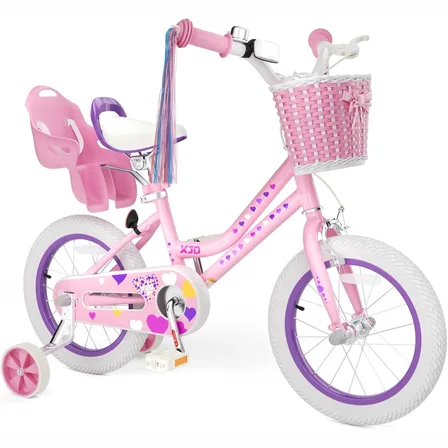
Light Pink XJD Girls' Bicycle with Basket & Training Wheels
The Light Pink XJD Girls' Bicycle with Basket & Training Wheels is a retro-style…$109.99
$129.99 -
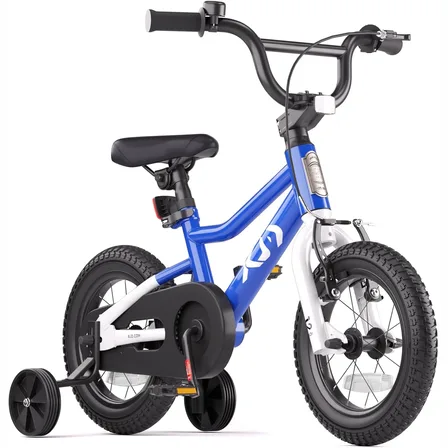
XJD Boys & Girls BMX Bike with Training Wheels, 12/14/16" – Blue
The XJD Boys & Girls BMX Bike in Blue is a first pedal bike for kids roughly age…$99.99
$119.99