

What does a 16 inch bike mean
A 16 inch bike is a bicycle with 16-inch wheels, not a 16-inch frame. It is an XBikes starting point for riders 40–48 in (102–122 cm) tall, typically ages 4–7, but the child must still pass an individual fit check.
What the 16-inch label tells you
The size name refers to the bicycle’s wheel category. It helps narrow the search, but it does not prove that every 16-inch bicycle will fit the same child. Frame shape, saddle adjustment, handlebar position and the child’s proportions can change how a bike feels.
Age is only a rough starting point. Measure the rider and check the actual bicycle instead of choosing solely from an age label. The American Academy of Pediatrics advises having the child try the bike and avoiding an oversized bicycle bought merely for future growth.
Measure the child before comparing bikes
- Measure standing height: Have the child stand without shoes, straight against a wall. Measure from the floor to the top of the head.
- Measure inseam: With feet slightly apart, measure from the floor to the crotch. Use this to judge clearance over the actual bike rather than applying an unsupported universal inseam formula.
- Note current confidence: A cautious beginner may need easier ground contact and a less demanding riding position than a confident rider of the same height.
Compare the measured height with the XBikes starting points below. Overlapping ranges are intentional; they indicate that a hands-on fit check must decide between adjacent sizes.
| Wheel size | Starting age | Rider height |
|---|---|---|
| 14 Inch | 3–6 | 37–45 in / 94–114 cm |
| 16 Inch | 4–7 | 40–48 in / 102–122 cm |
| 18 Inch | 5–9 | 43–52 in / 109–132 cm |
Check the actual 16-inch bike
First, have the child straddle the bicycle while standing over it. There should be usable clearance rather than uncomfortable contact with the bike. Next, seat the child and check whether starting, stopping and placing a foot down feel controlled.
Ask the rider to hold the handlebar naturally. They should not have to stretch, lock their arms or lean awkwardly to steer. Confirm that they can operate the brakes comfortably and with enough control for a stop. Brake reach matters even when the height chart appears suitable.
A bike is too large if the child cannot stand over it appropriately, reaches excessively, struggles to steer or cannot use the brakes reliably. It may be too small if the riding position is cramped or normal pedalling and steering are restricted. Do not move up a size simply to leave growing room.
How the supplied catalog option helps
The XJD Girls Bike for Kids Ages 3-8, 12/14/16 Inch with Training Wheels – Purple is relevant because its supplied size labels include 12 Inch, 14 Inch and the requested 16 Inch. That allows comparison among its listed options, but the “Ages 3-8” wording is a catalog label, not evidence that every child in that span fits every size. For this article’s fit decision, use the XBikes height ranges and an individual check.
These particular catalog options help answer what a 16-inch bike means because the same supplied listing presents 12-, 14- and 16-inch wheel choices, making the requested size distinct from its smaller alternatives.
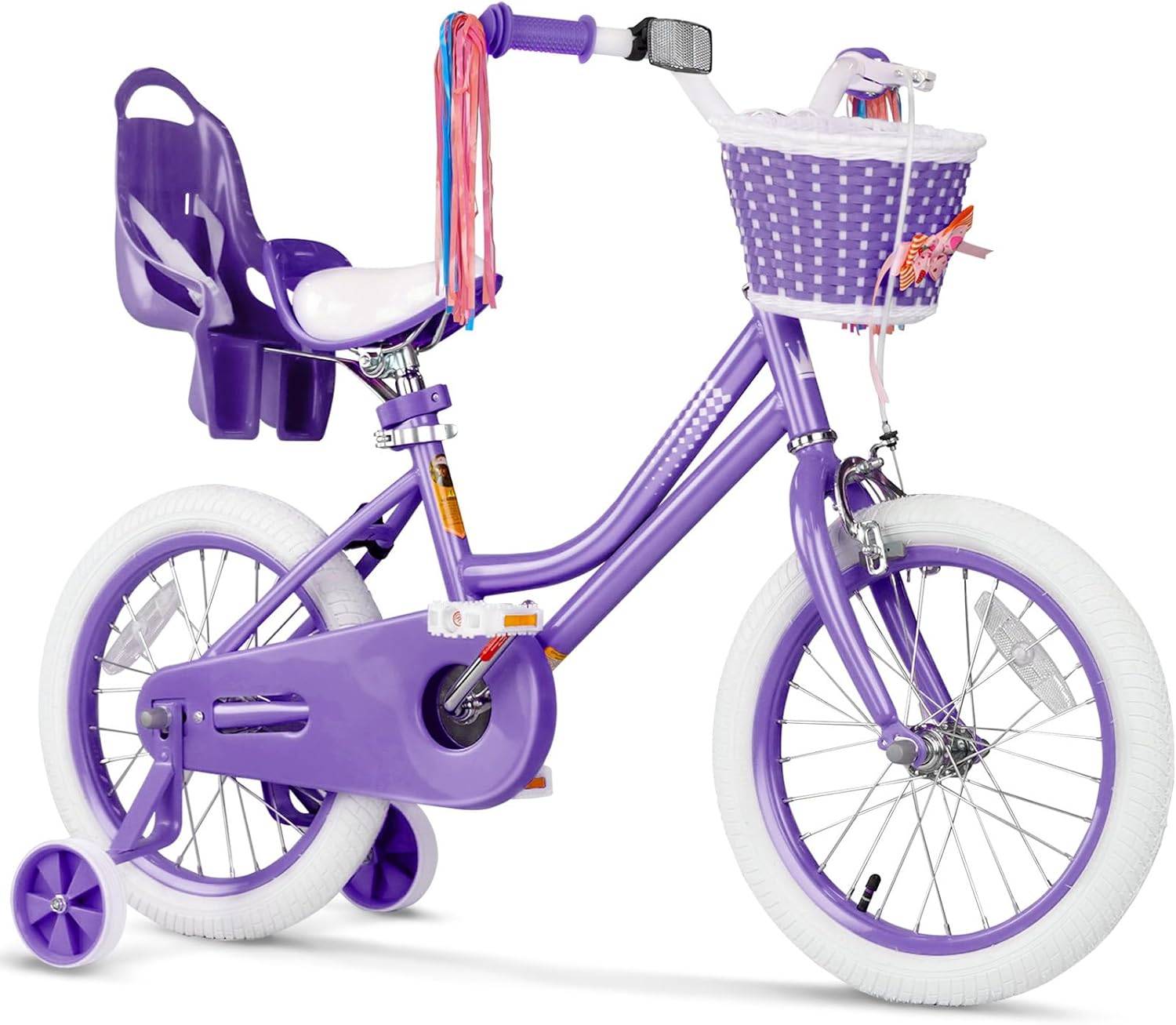
Consider the 16 Inch option only when the rider’s measured height and hands-on control support it. The 14 Inch and 12 Inch labels are smaller comparison choices, not equivalents to a 16-inch bike. The supplied facts do not specify dimensions beyond wheel labels, brake details, load limits, assembly procedures or other compatibility information; consult the exact product manual or a qualified bicycle mechanic for those points.
Safety checks before riding
Follow the bicycle’s exact manual for assembly, adjustment, maintenance and fastener requirements. If anything is unclear, loose or difficult to adjust, use a qualified bicycle mechanic rather than guessing at a procedure or torque value.
The U.S. Consumer Product Safety Commission advises using a properly fitted bicycle helmet. It should sit level, and its straps should be adjusted according to the helmet manufacturer’s instructions. Choose a suitable practice area and supervise according to the child’s present ability.
The decision to make now
If the child is 40–48 in (102–122 cm) tall, place a 16-inch bike on the shortlist—not automatically in the cart. Have the child straddle it, sit on it, reach the handlebar, operate the brakes, steer and stop. Choose 16 Inch only if those checks show comfortable control today; otherwise compare the appropriate adjacent size instead of buying for growth.
Bikes for your next adventure
-
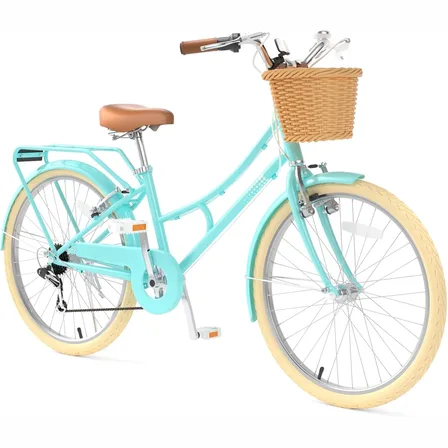
XJD 24-Inch Green Beach Cruiser Bike with U-Brake
This XJD 24-inch beach cruiser in green is made for riders about 4'8" to 5'4" ta…$159.99
$199.99 -

Kids Bike Helmet by XJD for Girls – Pink
The XJD Kids Bike Helmet in Pink is a lightweight multi-sport helmet for girls r…$59.99
$99 -
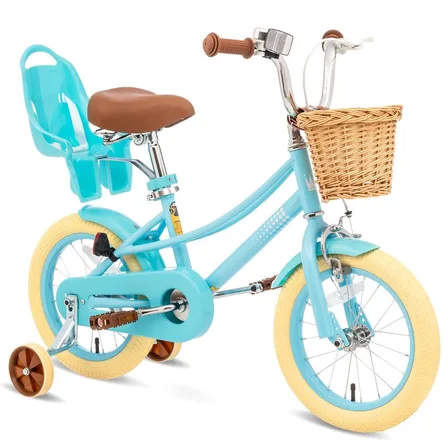
Girls' Training Wheel Bike by XJD, 12–20 Inch Wheels – Blue
This XJD girls' training wheel bike in Blue covers one of the widest fit ranges …$139
$159