

What size bike is 20 inch
A 20-inch bike has 20-inch wheels and is an XBikes starting point for riders 48–60 inches (122–152 cm) tall, typically ages 7–12. Height and an individual fit check matter more than age.
What “20-inch bike” means
The 20-inch measurement normally describes the bicycle’s wheel size, not its frame height or the rider’s inseam. Bikes with the same wheel diameter can still differ in frame shape, saddle adjustment and reach, so the label alone cannot confirm a good fit.
Use 48–60 inches (122–152 cm) as the initial rider-height range for a 20-inch bike. The age range of 7–12 is only a starting point. A taller younger child may fit before an older, shorter child, and two children of equal height can have different proportions or control skills.
Measure the rider before comparing sizes
Measure the child in the shoes they will normally wear while riding. Record current measurements rather than relying on clothing size, an old measurement or expected growth.
- Height: Have the child stand straight against a wall, looking ahead, and measure from the floor to the top of the head.
- Inseam: With feet slightly apart, measure from the floor up to the crotch. This helps assess stand-over room and saddle adjustment when the actual bicycle is available.
- Reach: On the bike, check whether the child can hold the handlebar without stretching, locking the elbows or leaning excessively.
Compare measured height with the XBikes starting point first. Then use inseam, reach, brake access and confidence to decide whether that starting point works for the individual child.
How 20-inch compares with nearby wheel sizes
| Wheel size | Starting age | Rider height |
|---|---|---|
| 18 Inch | 5–9 | 43–52 in / 109–132 cm |
| 20 Inch | 7–12 | 48–60 in / 122–152 cm |
| 24 Inch | 10–14 | 54–64 in / 137–163 cm |
The ranges overlap because height is only the first screen. Do not automatically move a child to 24-inch wheels because they are ten, or keep them on 18-inch wheels solely because they are nine. Compare the measured rider with the actual bicycle.
Check the actual 20-inch bike
Have the child try the bicycle whenever possible. The American Academy of Pediatrics advises against buying an oversized bike for a child to grow into. An overly large bicycle can make starting, stopping and steering harder.
- Stand-over: Ask the child to straddle the bike with both feet on the ground. The frame should not prevent a stable stance.
- Starting and stopping: The child should be able to get underway, stop and put a foot down without losing control.
- Steering and reach: The handlebar should be reachable while the child remains balanced and can turn comfortably.
- Brake control: Confirm the child can reach and operate the bike’s braking controls confidently. Do not assume brake access from wheel size.
- Confidence: Watch for hesitation caused by the bicycle feeling tall, long or difficult to manage.
If any of these checks fail, do not treat the 20-inch label or age range as permission to proceed. Compare another size or configuration and repeat the fit check.
Relevant XBikes 20-inch options
The supplied catalog includes two training-wheel bicycles with a 20 Inch SKU label, so they are directly relevant options rather than nearest-size substitutes. The Light Pink XJD Girls' Bicycle with Basket & Training Wheels is offered in 12 Inch, 14 Inch, 16 Inch and 20 Inch labels. Girls' Training Wheel Bike by XJD, 12–20 Inch Wheels – Blue is offered with the same four size labels. Their value here is that each provides an exact 20 Inch catalog choice while also showing smaller labeled alternatives; the supplied facts do not establish fit for a particular rider.
 Light Pink XJD Girls' Bicycle with Basket & Training Wheels
Available with a 20 Inch SKU label, this training-wheel bicycle is directly relevant; it also has 12, 14 and 16 Inch labels. Confirm the rider’s measurements and individual fit before choosing.
 Girls' Training Wheel Bike by XJD, 12–20 Inch Wheels – Blue
This blue training-wheel bicycle includes a 20 Inch SKU label alongside 12, 14 and 16 Inch options. Use the catalog size as a comparison point, then verify stand-over, reach, braking and control.
Do not infer brake type, frame dimensions, adjustment range, weight, load limit or assembly details from either title. Confirm the selected SKU label and consult the exact product manual for setup, maintenance, compatibility and limits. If instructions are unclear, use a qualified bicycle mechanic.
Make the final decision
Choose the 20-inch option only when the rider’s measured height is consistent with the 48–60 inch (122–152 cm) starting range and the actual bike passes the stand-over, reach, braking and control checks. Do not size up merely for future growth.
Before riding, add a properly fitting bicycle helmet. U.S. Consumer Product Safety Commission guidance calls for the helmet to sit level and for its straps to be used according to the helmet manufacturer’s instructions. The next step is simple: measure the child now, compare the height with the 20-inch range, then arrange an individual fit check on the exact bicycle.
Bikes for your next adventure
-

XJD Kids Bike for Girls – Pink, 12/14/16/20 Inch with Training Wheels
The XJD Kids Bike for Girls in Pink is a training-wheel bike built to carry your…$139
$159 -
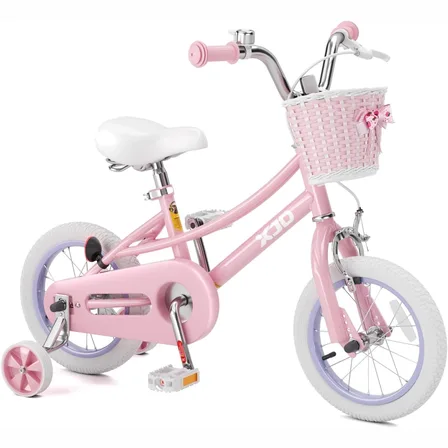
Pink 12/14/16/20" XJD Girls Bike with Training Wheels & Basket
The Pink XJD Girls Bike with Training Wheels & Basket is a first-bike pick f…$65.99
$75.99 -
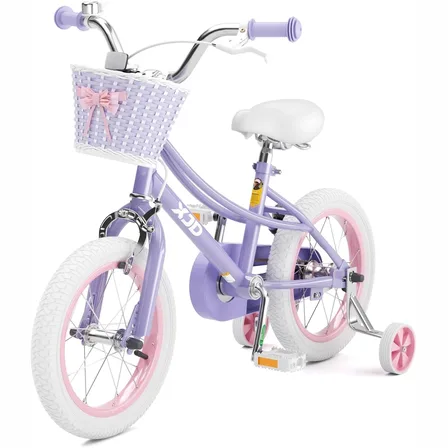
Girls' Training Wheel Bike by XJD with Basket – Purple
If you're shopping for a first bike for a girl roughly 3 to 12 years old (91–152…$75.99