

What size for 20 inch bike
A 20-inch bike is a starting fit for a child 48–60 in (122–152 cm) tall, usually age 7–12, but measurements and a test ride decide.
Start with height, not age
Wheel size describes the bicycle’s wheels, not the child’s body or the exact dimensions of the frame. Two 20-inch bicycles can therefore feel different. Use the XBikes height range to identify a likely wheel size, then confirm stand-over room, reach, brake control and confidence on the actual bicycle.
Age is only a rough starting point because children of the same age can differ considerably in height, proportions and riding ability. Do not move a child to a 20-inch bike simply because they have reached a particular birthday.
| Wheel size | Starting age | Rider height |
|---|---|---|
| 18 Inch | 5–9 | 43–52 in / 109–132 cm |
| 20 Inch | 7–12 | 48–60 in / 122–152 cm |
| 24 Inch | 10–14 | 54–64 in / 137–163 cm |
The overlapping ranges are intentional: a height near a boundary does not settle the choice by itself. Body proportions, the particular frame and the child’s present control matter.
Measure the rider before comparing bikes
- Standing height: Have the child stand barefoot against a wall, looking straight ahead. Measure from the floor to the top of the head.
- Inseam: With feet slightly apart, measure from the floor to the crotch. Use this when checking whether the child can straddle the actual frame comfortably.
- Reach: On the bicycle, check that the child can hold the handlebar without stretching, locking the elbows or leaning excessively.
- Brake control: Confirm that the child can reach and operate the fitted brakes reliably while maintaining a secure grip and steering control.
Record height and inseam rather than relying on clothing sizes or a previous bicycle’s wheel label. Frame geometry and adjustment ranges are product-specific; consult the exact product manual for adjustment instructions and limits.
How a 20-inch bike should feel
Have the child try the assembled bicycle in a safe, level area with adult supervision. While straddling the frame, the child should be able to stand steadily without the frame pressing uncomfortably. Seated, they should reach the handlebar naturally, steer without strain and control the brakes.
Next, watch a cautious start, straight-line ride, turn and stop. A suitable bike lets the child perform these actions without fighting the bicycle or appearing intimidated by its height. Current confidence matters: a measured height within the 20-inch range does not override poor control.
Do not buy an oversized bicycle merely to leave room for growth. If the child cannot mount, balance, steer or stop confidently now, the larger size is not the right current fit. Conversely, if a smaller bicycle feels cramped or restricts comfortable control, compare the next appropriate size and repeat the fit check.
How the supplied catalog options relate
The catalog choices provide useful size comparisons within the Training Wheel Bikes category. The XJD Kids Bike for Girls – Pink, 12/14/16/20 Inch with Training Wheels has supplied SKU labels for 12, 14, 16 and 20 Inch, so its 20 Inch option is directly relevant. The XJD Light Purple Girls Bike with Basket, Training Wheels, 12/14/16/20 Inch has supplied available SKU labels only for 12, 14 and 16 Inch; despite “20 Inch” appearing in its exact catalog title, the supplied catalog facts do not list a 20 Inch SKU for it. It is therefore a smaller-size comparison point, not a substitute for the requested 20-inch size.
 XJD Kids Bike for Girls – Pink, 12/14/16/20 Inch with Training Wheels
Directly relevant because the supplied SKU labels include a 20 Inch option, alongside 12, 14 and 16 Inch choices for size comparison.
 XJD Light Purple Girls Bike with Basket, Training Wheels, 12/14/16/20 Inch
Useful only as a smaller-size comparison: supplied available SKU labels are 12, 14 and 16 Inch, with no 20 Inch SKU listed despite the exact catalog title.
Use the listed wheel-size label only as the first filter. Neither title establishes fit for an individual rider, and training wheels do not correct a frame that is too large, too small or difficult for the child to control. Check the exact selected SKU before making a comparison.
Make the final 20-inch decision
- Choose 20 Inch as the starting comparison when measured height is 48–60 in (122–152 cm).
- Require a comfortable stand-over position, natural handlebar reach and reliable brake operation on the actual bike.
- Let present riding confidence outweigh age or the desire to buy for future growth.
- If the rider is near an overlap, try the relevant sizes and compare control rather than assuming the larger wheel is preferable.
Before riding, use a bicycle helmet that fits properly, sits level and has its straps arranged according to the helmet manufacturer’s instructions. Follow the bicycle’s exact manual for assembly, maintenance, compatibility and adjustments; where anything is uncertain, use a qualified bicycle mechanic.
The decision is simple: consider a 20-inch bike for a 48–60 in rider, but buy it only after that child can straddle, reach, steer, brake and ride it confidently today.
Bikes for your next adventure
-
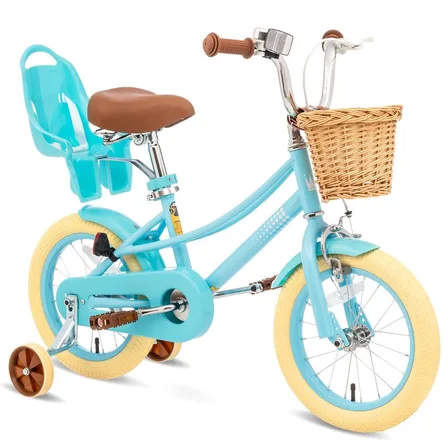
Girls' Training Wheel Bike by XJD, 12–20 Inch Wheels – Blue
This XJD girls' training wheel bike in Blue covers one of the widest fit ranges …$139
$159 -
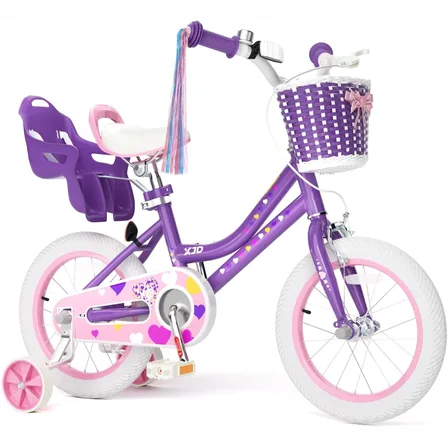
XJD Light Purple Girls Bike with Basket, Training Wheels, 12/14/16/20 Inch
The XJD Girls Bike with Basket in Light Purple is a single-speed training-wheel …$99.99
$119.99 -

XJD Kids Bike for Girls – Pink, 12/14/16/20 Inch with Training Wheels
The XJD Kids Bike for Girls in Pink is a training-wheel bike built to carry your…$139
$159