

Where to Find the Right 14-Inch Bicycle Wheel
Knowing where to find the right 14-inch bicycle wheel requires more information than the nominal diameter. A replacement wheel must match the tire and rim standard, axle and dropout, hub width, brake system and any rear sprocket or coaster-brake hardware. Start with the bicycle maker or a qualified shop that can inspect the original wheel and complete bike.
Identify front or rear
Front and rear wheels are not interchangeable. A rear wheel may include a freewheel, sprocket or coaster-brake hub, while the front uses different spacing and hardware. Photograph both sides and record the bicycle model, selected size and all original washers before removing anything.
Copy rim and tire markings
Look for the ISO or ETRTO bead-seat diameter on the tire and rim. The replacement must accept the approved tire width and valve. Two products advertised as 14 inch may use different standards, so a marketplace title without complete measurements is insufficient.

Match axle and hub details
Measure only through the manufacturer's procedure. Axle diameter, thread, length, locknut spacing and dropout type affect fit and wheel retention. Never add random washers, force the dropouts apart or substitute quick-release hardware for a solid axle.
Check brakes and drivetrain
A rim brake needs a compatible braking surface and correct rim position. A rear coaster brake requires its arm and matching hardware; a chain drive needs the approved sprocket and chainline. Training-wheel brackets may share the axle area and must remain compatible.
Choose a seller who confirms specifications
Manufacturer parts support, an established bicycle retailer or a local mechanic can compare the original. After installation, verify wheel centering, tire seating, chain movement and braking, then complete an adult walking-speed test before the child rides.
How current product examples clarify the choice
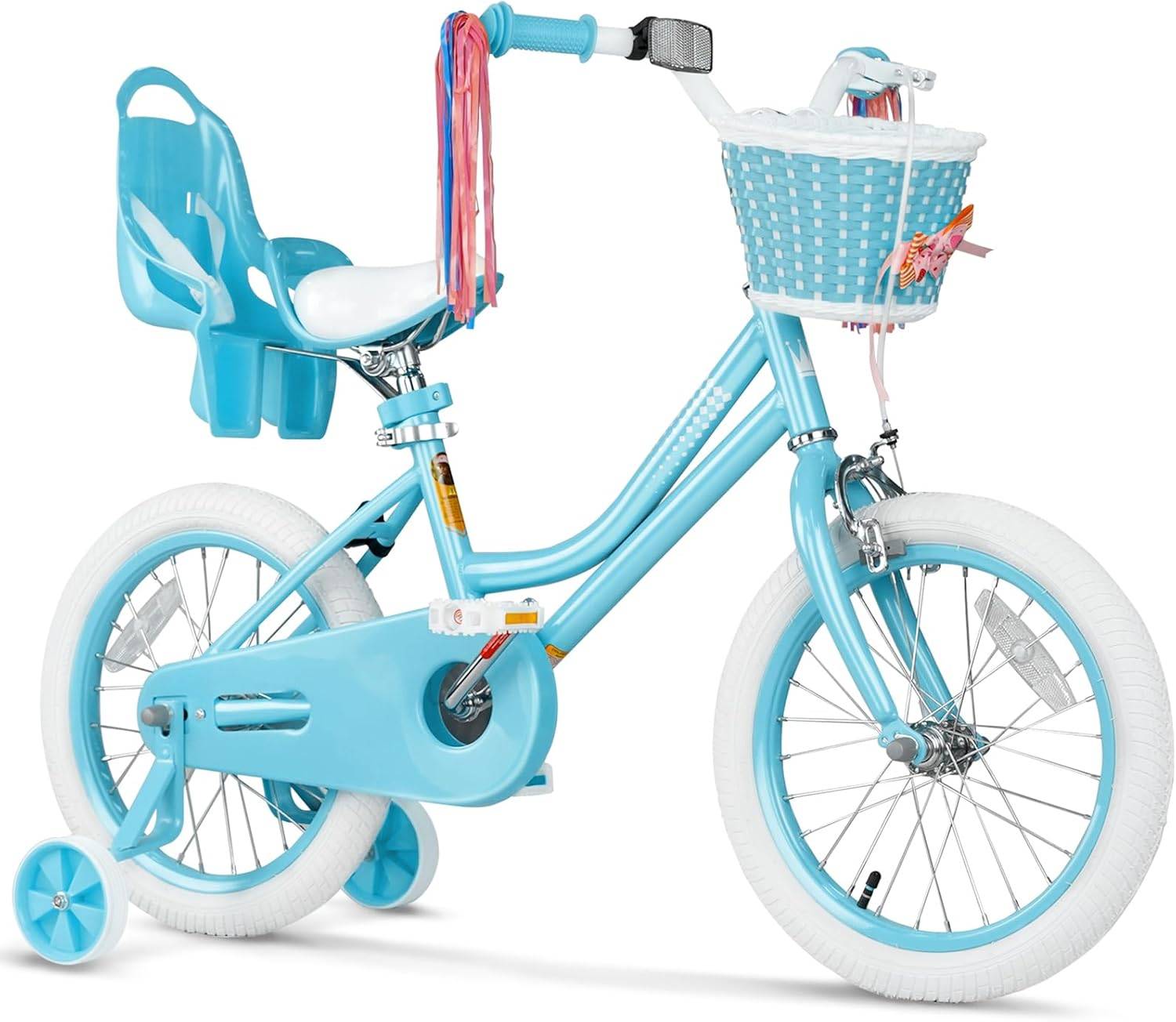
The blue XJD girls and boys bikes both offer a 14-inch choice alongside 12 and 16 inches, with training-wheel configurations. Their pages help identify the product family, but a replacement wheel must be matched to the exact selected frame, axle and brake—not another size in the same family.
Practical checklist
- Identify front or rear wheel.
- Match ISO rim and tire codes.
- Confirm axle and hub spacing.
- Verify brakes, sprocket and training-wheel clearance.
Frequently asked questions
Can I use any wheel sold as 14 inch?
No. Rim standard, axle, hub, brake and drivetrain must all match.
Should I replace a bent rim myself?
Use qualified service when wheel building, truing or safety-critical compatibility is uncertain.
Before making the final choice, revisit the exact route or driving area at the time it will normally be used. A setup that works during a quiet test may need more room, visibility or adult support when other people and everyday obstacles are present.
Bottom line
Use the answer to where to find the right 14-inch bicycle wheel as a decision process, not a shortcut. Confirm the live product data and manual, match the rider to the controls and setting, and favor repeatable control over a larger size or higher performance label.
Bikes for your next adventure
-
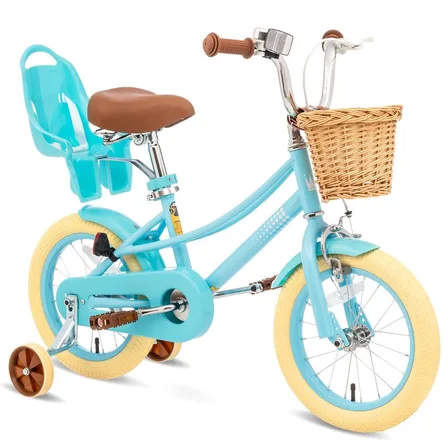
Girls' Training Wheel Bike by XJD, 12–20 Inch Wheels – Blue
This XJD girls' training wheel bike in Blue covers one of the widest fit ranges …$139
$159 -
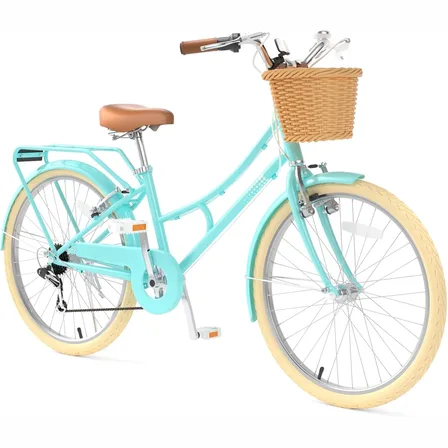
XJD 24-Inch Green Beach Cruiser Bike with U-Brake
This XJD 24-inch beach cruiser in green is made for riders about 4'8" to 5'4" ta…$159.99
$199.99 -

Kids Bike Helmet by XJD for Boys & Girls – Black, Blue, Green, Pink, Purple
The XJD Kids Bike Helmet covers a wide 2-to-8-year age range thanks to two head-…$59.99