

A toddler bike for girls
A toddler bike for girls should be chosen by measured height and hands-on fit, not color, age alone, or room to grow. Start with 12- or 14-inch options, then confirm stand-over clearance, reach, brake control, and confidence.
Measure before choosing a wheel size
Measure the child’s standing height without shoes. Also measure inseam from the floor to the crotch, using a book held level to represent the bicycle’s top tube. Record both measurements rather than relying on a remembered clothing size.
For a toddler, the relevant XBikes starting points are:
| Wheel label | Starting age | Rider height |
|---|---|---|
| 12 Inch | 3–4 | 34–40 in / 86–102 cm |
| 14 Inch | 3–6 | 37–45 in / 94–114 cm |
| 16 Inch | 4–7 | 40–48 in / 102–122 cm |
| 20 Inch | 7–12 | 48–60 in / 122–152 cm |
These ranges only identify sizes worth trying. Where 12- and 14-inch ranges overlap, compare both in person if possible. Choose the bicycle the child can control now; do not select an oversized model merely to allow growth.
Check the fit with the child on the bike
Have the rider try the exact bicycle. With the child standing over it, confirm that the frame does not prevent a comfortable, controlled stance. Seated, the child should be able to reach the handlebar without stretching, turning the torso, or locking the elbows.
Ask the child to operate the brakes while maintaining a secure grip. Small hands must be able to reach and control the fitted braking system. Also watch a slow start, stop, and turn in a traffic-free area under close adult supervision. A nominally correct wheel size is not a good fit if the child cannot steer, stop, mount, or dismount confidently.
What “for girls” should—and should not—decide
“Girls’ bike” can help identify a preferred appearance, but it does not establish body fit or riding ability. Let the child choose among colors or presentation she likes only after the practical checks pass. The deciding factors remain measured height, inseam, reach, brake control, and current confidence.
The supplied choices are relevant because all three are cataloged as training-wheel bikes and offer 12-, 14-, and 16-inch labels; one also offers 20 Inch. That makes them useful comparison candidates after measurements narrow the wheel size, while their titles provide distinct color or presentation choices.
 Light Pink XJD Girls' Bicycle with Basket & Training Wheels
A training-wheel bike offered in 12, 14, 16, and 20 Inch labels. Its title specifies light pink and a basket; confirm the chosen size through the child’s measurements and hands-on fit.
 Blue XJD Girls Bike with Training Wheels – 12/14/16 Inch
A blue girls’ training-wheel bike offered in 12, 14, and 16 Inch labels. It is relevant after measured height narrows the size, with reach, brake control, and confidence verified on the exact bicycle.
 XJD Kids' Training Wheel Bike for Boys & Girls, 12/14/16 Inch – White
A white boys’ and girls’ training-wheel bike offered in 12, 14, and 16 Inch labels. Consider it as a presentation choice only after the child passes an individual fit and control check.
Compare the three supplied options
Light Pink XJD Girls' Bicycle with Basket & Training Wheels is offered in 12 Inch, 14 Inch, 16 Inch, and 20 Inch. It is the only supplied option whose title mentions a basket and whose listed range includes 20 Inch. The larger label does not make it a toddler choice; use the fit table and an individual trial.
Blue XJD Girls Bike with Training Wheels – 12/14/16 Inch offers 12 Inch, 14 Inch, and 16 Inch labels. It is relevant when a blue girls’ presentation and training-wheel format suit the child, but the title alone does not determine which of those three sizes fits.
XJD Kids' Training Wheel Bike for Boys & Girls, 12/14/16 Inch – White also offers 12 Inch, 14 Inch, and 16 Inch labels. Its title presents it as a boys’ and girls’ white option. As with the other models, select it only if the child passes the hands-on checks on the exact size.
Do not infer differences in weight, materials, brakes, load limits, or other construction details from these catalog titles. Those facts were not supplied. Check the exact product information and manual for any feature that affects your decision.
Decide whether training wheels are relevant
Training wheels may suit a child who is beginning on this bicycle format or currently wants lateral support. They do not correct an oversized frame, unreachable controls, or excessive reach. A child whose measurements fall outside the relevant size range—or who cannot control the bicycle during a trial—needs a different size or type, not training wheels as compensation.
For assembly, adjustment, maintenance, compatibility, load limits, and torque requirements, follow the manual for the exact product. If the instructions are missing or an adjustment is uncertain, use a qualified bicycle mechanic rather than improvising.
Prepare for the first ride
- Recheck that the selected wheel label agrees with measured height and that the exact bicycle passes the stand-over, reach, brake, and confidence checks.
- Use a bicycle helmet that fits properly, sits level, and has straps adjusted according to the helmet manufacturer’s instructions.
- Begin in a flat, traffic-free riding area with close adult supervision.
- Before each ride, follow the product manual’s inspection guidance and address loose, damaged, or uncertain parts before riding.
The next step is simple: measure the child, shortlist 12 or 14 Inch from the XBikes ranges when her height supports them, and buy only after she can comfortably stand over, reach, steer, brake, start, and stop the exact bike.
Bikes for your next adventure
-
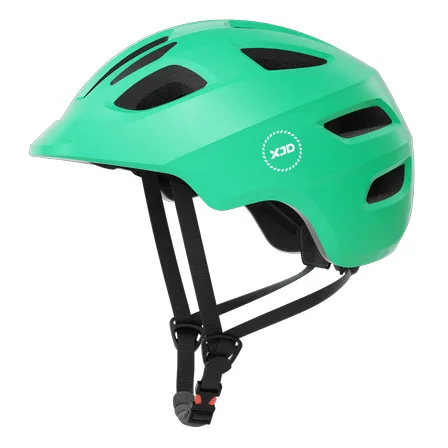
Green XJD Kids Bike Helmet for Boys & Girls
The Green XJD Kids Bike Helmet is a lightweight multi-sport helmet for toddlers …$59.99
$99 -

Light Purple XJD Toddler Bike Helmet, Adjustable, Size XS (46–51 cm)
This Light Purple XJD toddler bike helmet is made for the smallest riders — the …$20.39
-
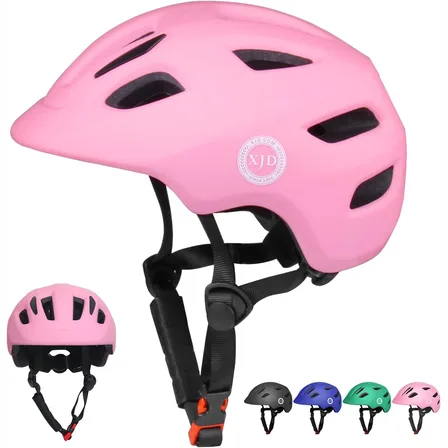
Pink Adjustable Kids Helmet by XJD – Toddler Bike Helmet, XS & S
This Pink XJD Adjustable Kids Helmet is built for toddlers and kids who ride bik…$21.24