

How to find the right size bicycle for a girl
Measure the girl’s height and inseam, then compare her height with wheel-size starting points and confirm stand-over, reach, braking and control on the actual bicycle.
Measure the rider before choosing a size
Ask her to stand upright without shoes, with her back against a wall. Measure from the floor to the top of her head for height. For inseam, measure from the floor to the crotch along the inside of the leg. Record both measurements rather than relying on age, clothing size or the size of a previous bicycle.
Height provides the clearest first comparison with the XBikes chart below. Inseam helps with the next step: checking whether she can stand over a particular frame comfortably. Frame shapes vary, so an inseam measurement cannot confirm fit without trying the bicycle or checking the exact manufacturer’s fit information.
Compare her height with these starting points
| Wheel size | Age starting point | Rider height |
|---|---|---|
| 12 Inch | 3–4 | 34–40 in / 86–102 cm |
| 14 Inch | 3–6 | 37–45 in / 94–114 cm |
| 16 Inch | 4–7 | 40–48 in / 102–122 cm |
| 18 Inch | 5–9 | 43–52 in / 109–132 cm |
| 20 Inch | 7–12 | 48–60 in / 122–152 cm |
| 24 Inch | 10–14 | 54–64 in / 137–163 cm |
| 26 Inch | Youth and adults | Over 60 in / 153 cm |
Use the measured height before the age column. Where height ranges overlap, compare both candidate sizes on the rider rather than assuming that the larger wheel is preferable. Age is only a starting point because girls of the same age can differ in height, proportions, coordination and confidence.
Confirm the fit on the actual bicycle
Have her try the bicycle whenever possible. The American Academy of Pediatrics advises against buying an oversized bicycle for a child to grow into. A bicycle that is too large can make starting, stopping, steering and regaining balance harder.
- Stand-over: With the rider straddling the bicycle, check that she can stand securely and is not pressed against the frame. Frame geometry differs even when wheel sizes match.
- Reach: While seated in a normal riding position, she should reach the handlebar without stretching, locking her arms or losing a stable posture.
- Brake control: If the bicycle has hand controls, confirm that she can reach and operate them reliably. Do not assume they fit because the wheel size matches her height.
- Starting and stopping: She should demonstrate controlled starts, steering and stops in a protected area. Current confidence matters alongside physical measurements.
If she cannot stand over, reach, brake or control the bicycle comfortably, reject that fit even when her height appears within the chart range. If two sizes remain plausible, choose according to the better present-day control rather than extra growing room.
How the supplied girls’ bicycle helps with comparison
The Blue XJD Girls Bike with Training Wheels – 12/14/16 Inch is relevant when the measured rider is being compared with the 12 Inch, 14 Inch or 16 Inch starting points. Its supplied options let a parent examine three neighboring wheel-size labels, but each option still requires an individual fit check. It does not provide an 18 Inch, 20 Inch, 24 Inch or 26 Inch option in the supplied catalog facts, so it is not a substitute when one of those sizes fits the rider.
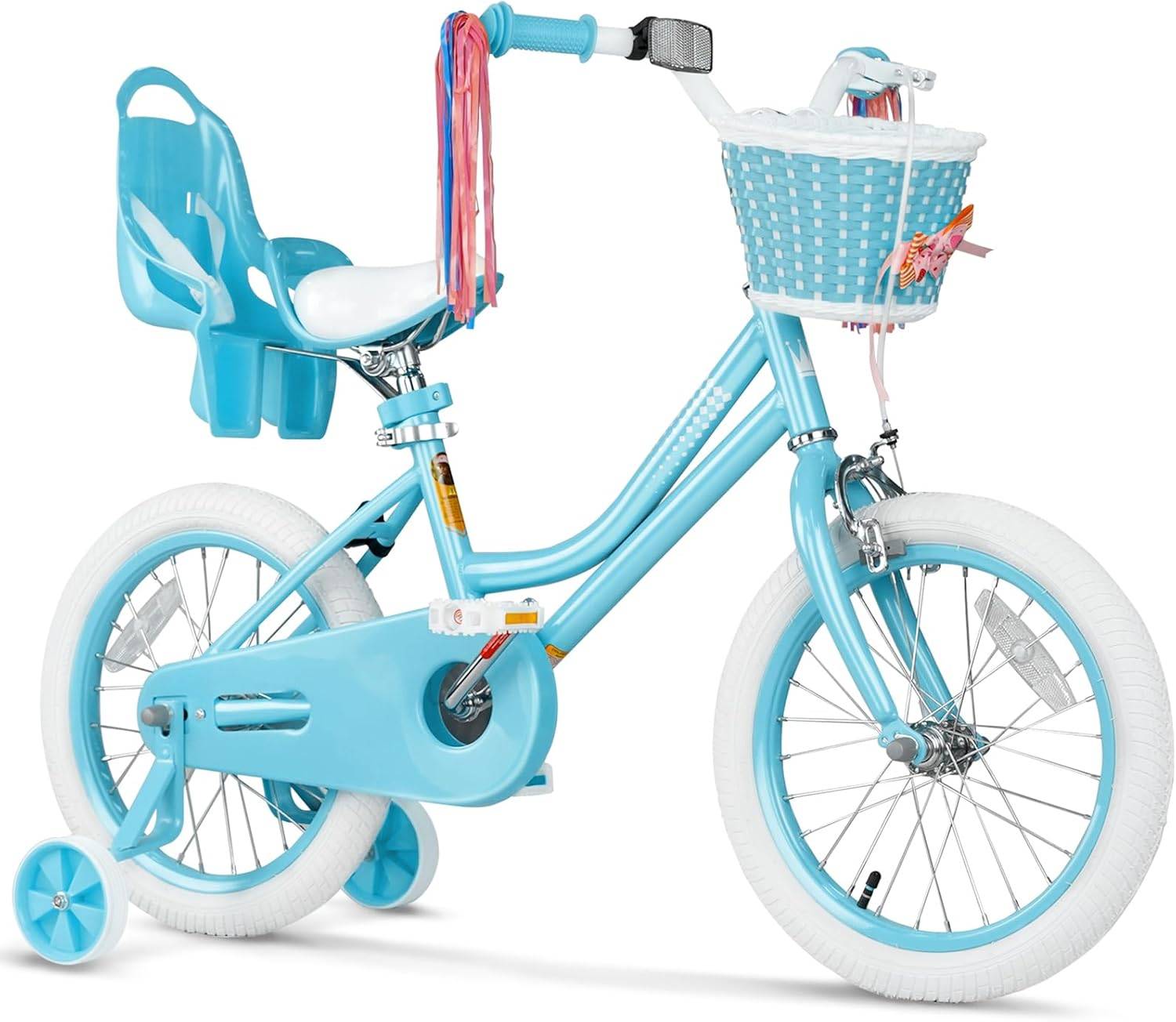
Training wheels are part of this product’s supplied title and category, but they do not correct a frame that is too large or a reach that prevents dependable control. Select among its available 12 Inch, 14 Inch and 16 Inch labels by measured height first, then verify inseam clearance, reach, brake operation and confidence on that exact configuration.
Complete the check before she rides
- Measure height and inseam and write them down.
- Use the chart to identify the likely wheel size or overlapping sizes.
- Check the exact bicycle’s stand-over position and manufacturer fit information.
- Have the rider demonstrate comfortable reach, brake control, starting, steering and stopping.
- Reject an oversized bicycle bought solely for future growth.
A properly fitting bicycle helmet is also essential. Follow the U.S. Consumer Product Safety Commission guidance: the helmet must fit properly, sit level and have its straps adjusted according to the helmet manufacturer’s instructions. A helmet cannot compensate for an incorrectly sized bicycle.
For assembly, adjustment, maintenance, load limits, compatibility or torque requirements, follow the manual for the exact product or consult a qualified bicycle mechanic. The right size bicycle for a girl is the size she fits and controls now: measure her, compare the chart, test the exact bike and choose only after every fit check succeeds.
Bikes for your next adventure
-
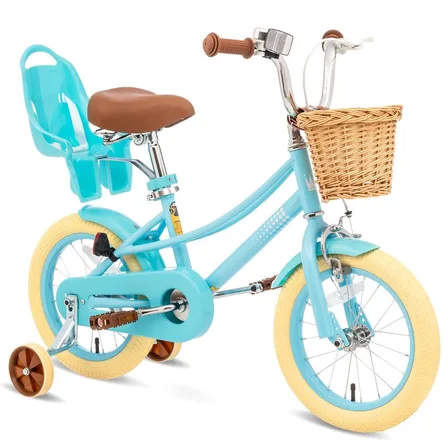
Girls' Training Wheel Bike by XJD, 12–20 Inch Wheels – Blue
This XJD girls' training wheel bike in Blue covers one of the widest fit ranges …$139
$159 -
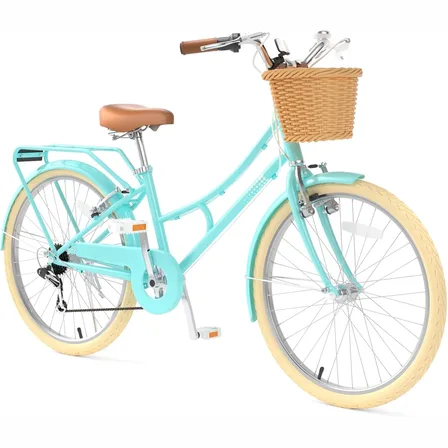
XJD 24-Inch Green Beach Cruiser Bike with U-Brake
This XJD 24-inch beach cruiser in green is made for riders about 4'8" to 5'4" ta…$159.99
$199.99 -

Kids Bike Helmet by XJD for Boys & Girls – Black, Blue, Green, Pink, Purple
The XJD Kids Bike Helmet covers a wide 2-to-8-year age range thanks to two head-…$59.99