Can you put training wheels on 20 inch bike
Yes, training wheels can often be fitted to a 20 inch bike, but wheel size alone does not prove compatibility. Check the bicycle and training-wheel instructions before buying or installing them.
What must match
Start with a training-wheel kit specifically identified by its manufacturer as compatible with a 20 inch bicycle. Then compare its mounting requirements with the exact bike. The rear axle or designated mounting points must accept the brackets without interfering with the frame, drivetrain, brakes, guards or other parts.
Do not assume that a “universal” label guarantees a fit. Rear-axle shape and length, surrounding components, bracket clearance and the bicycle manufacturer’s restrictions can all affect compatibility. Because no mounting dimensions or procedures are supplied here, use the manuals for both items. If either manual is unclear, have a qualified bicycle mechanic inspect the bike and recommend the correct hardware.
Check that a 20 inch bike fits the rider
Training wheels do not make an oversized bicycle suitable. XBikes uses a 20 inch wheel-size starting point of ages 7–12 and rider height 48–60 inches (122–152 cm), but age is only a rough reference. Measure the child’s current standing height and inseam rather than choosing room for future growth.
Have the child try the bicycle. Confirm that the frame provides suitable stand-over clearance, the rider can get on and off confidently, and the seated position does not force an uncomfortable stretch. The child should be able to hold and steer the handlebar with control, reach the brake controls, and operate them reliably. These individual checks take priority over the age range.
If the rider cannot comfortably stabilize, steer or brake the bike, adding training wheels does not correct the underlying fit problem. Choose a bicycle that fits now rather than an oversized one intended for growth.
A relevant 20 inch catalog option
The Girls' Training Wheel Bike by XJD with Basket – Purple is offered under Training Wheel Bikes with 14 Inch, 16 Inch and 20 Inch SKU labels. Its 20 Inch option makes it directly relevant when comparing a bike sold in the requested wheel size with training wheels; the smaller labels are distinct sizes, not equivalent substitutes.
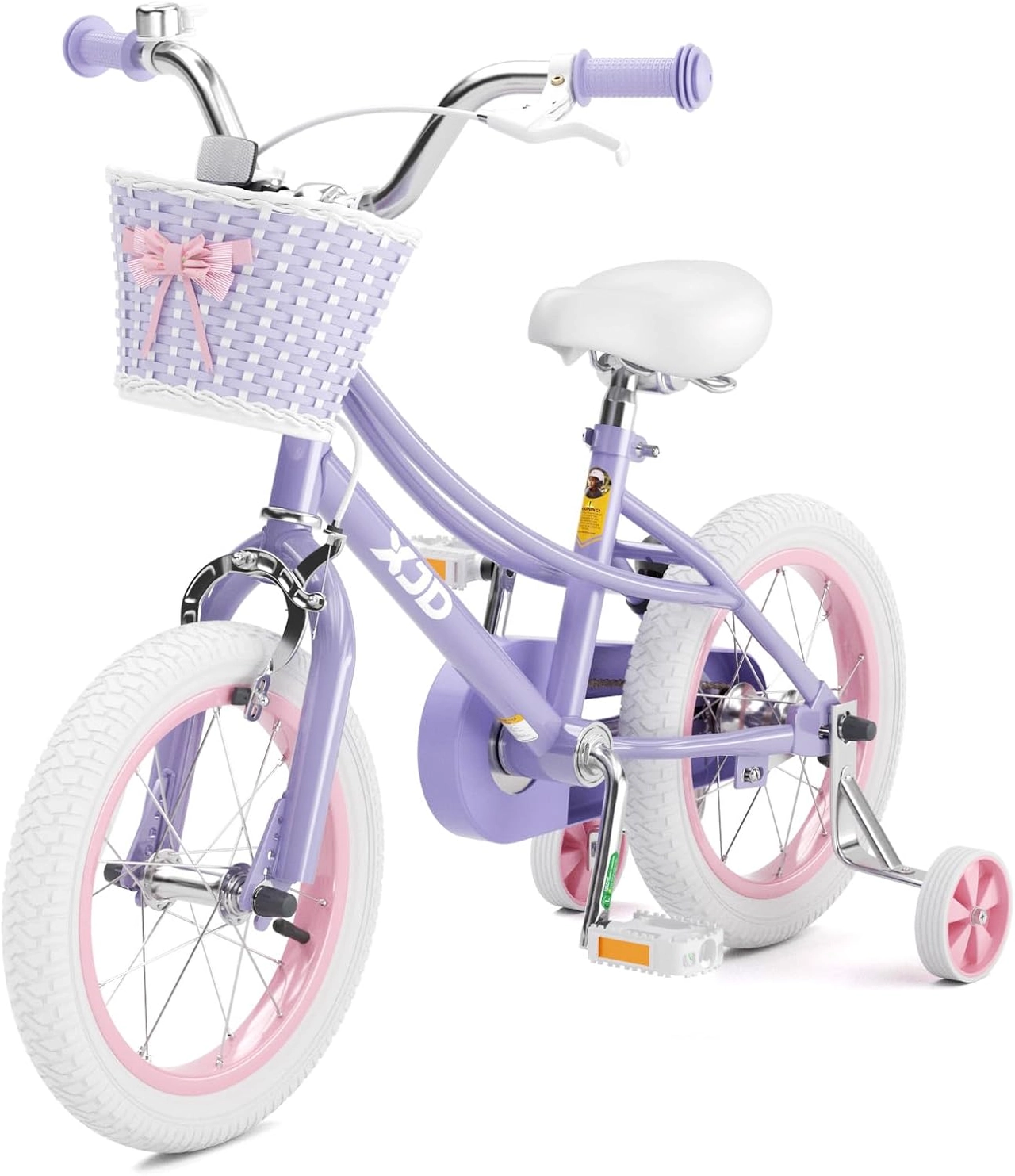
The catalog information confirms the available size labels only. It does not provide mounting dimensions, assembly steps, component details, load limits or current availability. Check the exact 20 Inch selection and its product manual before deciding whether it suits a particular rider.
What to measure and compare before installation
- Rider fit: Record standing height and inseam, then check stand-over space, reach, brake access and the child’s present confidence on the actual bicycle.
- Wheel-size label: Verify that both the bicycle and the intended training-wheel setup are specified for 20 inch use. Do not substitute a 14 Inch or 16 Inch option.
- Mounting interface: Compare the bike’s rear mounting area with every requirement in the training-wheel instructions, including required clearances and supplied hardware.
- Interference: Confirm from the manuals that installation will not obstruct the drivetrain, brakes, guards or moving parts.
- Manufacturer restrictions: Look for warnings against auxiliary wheels or limits on compatible mounting arrangements.
Do not improvise missing spacers, fasteners or bracket positions. Follow the exact manual for assembly, adjustment, maintenance and torque requirements. Where the instructions do not clearly match the bicycle, stop and consult a qualified bicycle mechanic.
After fitting the training wheels
Before the child rides, inspect the completed assembly exactly as directed by the manufacturer. Make sure all parts are positioned and secured according to the manual and that steering, pedaling and braking operate without obstruction. Recheck the installation at the intervals specified in the instructions and after any impact or noticeable loosening.
Use a level, traffic-free practice area with close adult supervision. A properly fitting bicycle helmet should sit level and be secured with its straps according to the helmet manufacturer’s instructions. Training wheels help with side-to-side support, but they do not replace brake control, steering skills, supervision or protective equipment.
The decision for your 20 inch bike
Proceed only if the rider fits the 20 inch bicycle now, can reach and use its controls, and the bike and training-wheel manuals confirm a compatible mounting arrangement. If compatibility cannot be verified, do not force the installation: take the exact bicycle and intended kit to a qualified bicycle mechanic, or compare a purpose-listed 20 Inch Training Wheel Bike option instead.
Recommended products
-

Blue XJD Kids' Bike Helmet, Adjustable Fit – Sizes XS & S
The Blue XJD Kids' Bike Helmet is a lightweight, adjustable helmet for toddlers …
Bike Helmets XS (46–51 cm) -
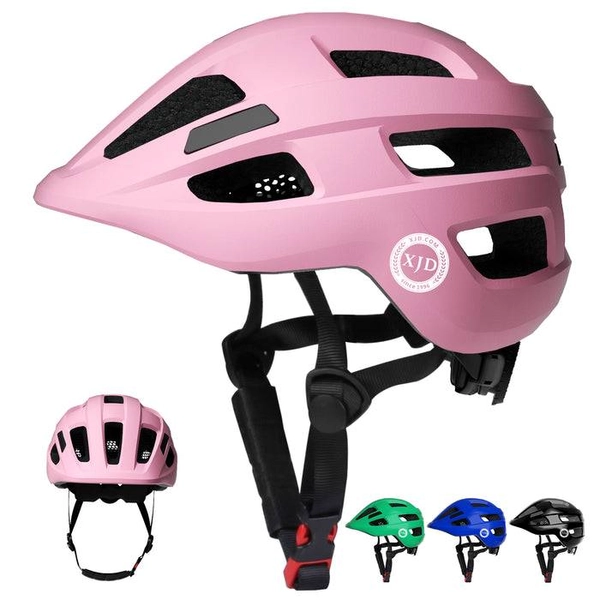
Kids Bike Helmet by XJD for Boys & Girls – Black, Blue, Green, Pink, Purple
The XJD Kids Bike Helmet covers a wide 2-to-8-year age range thanks to two head-…
Bike Helmets Pink / M:20.47"-22.05" / 52-56 cm -
Save 12%
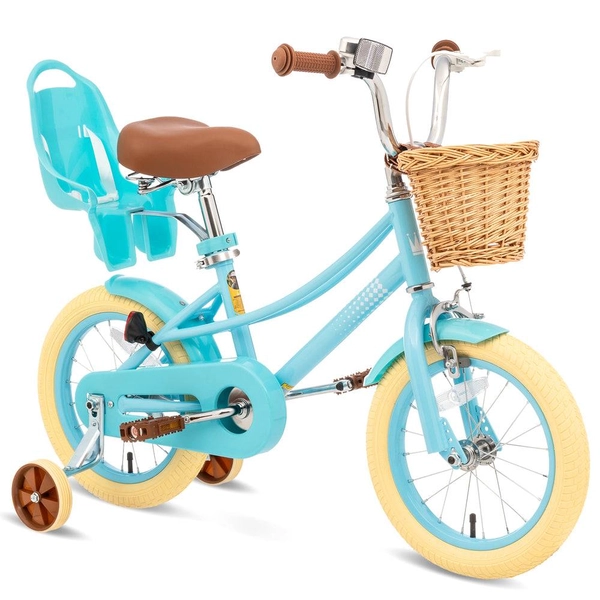
Girls' Training Wheel Bike by XJD, 12–20 Inch Wheels – Blue
This XJD girls' training wheel bike in Blue covers one of the widest fit ranges …
Training Wheel Bikes Wheel Size 12 Inch / 14 Inch / 16 Inch / 20 Inch Recommended Height 86–152 cm Training Wheels Yes 12 Inch -
Save 15%
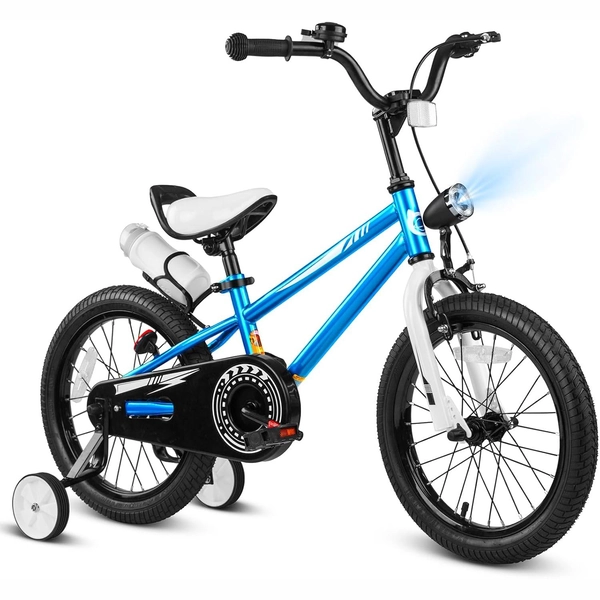
XJD Boys 12/14/16" Training Wheel Bike – Blue
The XJD Boys Bike in Blue is a training wheel bike for riders 71–122 cm tall—rou…
Training Wheel Bikes Wheel Size 12 Inch / 14 Inch / 16 Inch Recommended Height 86–122 cm Training Wheels Yes 16 Inch