Do 20 inch bikes come with training wheels
Some 20 inch bikes come with training wheels, but not all do. Check the exact 20 Inch configuration, then confirm that the bicycle fits the child.
What the wheel size does—and does not—tell you
“20 inch” describes the bicycle’s wheel size. It does not automatically mean training wheels are included, fitted or compatible. A manufacturer may sell one 20 inch model with training wheels and another without them, so the product title, selected SKU and exact product manual matter.
For the XBikes options supplied here, each product title explicitly refers to training wheels, and each has an available 20 Inch SKU label. That makes these particular catalog options relevant when comparing 20 inch bicycles that are presented as training-wheel bikes:
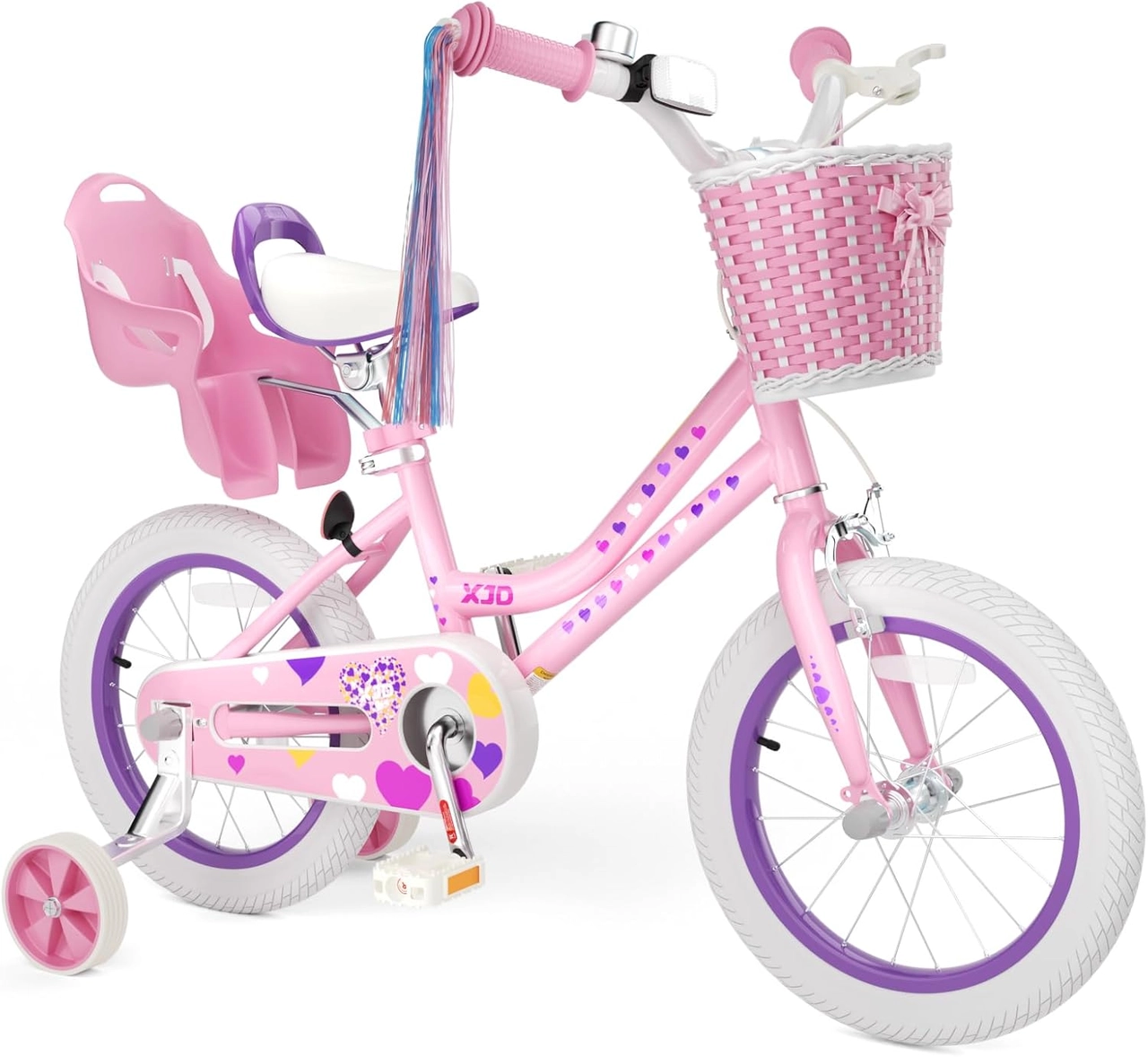 Light Pink XJD Girls' Bicycle with Basket & Training Wheels
This training-wheel bicycle has an available 20 Inch SKU label, along with 12 Inch, 14 Inch and 16 Inch options, so confirm that the 20 Inch configuration is selected.
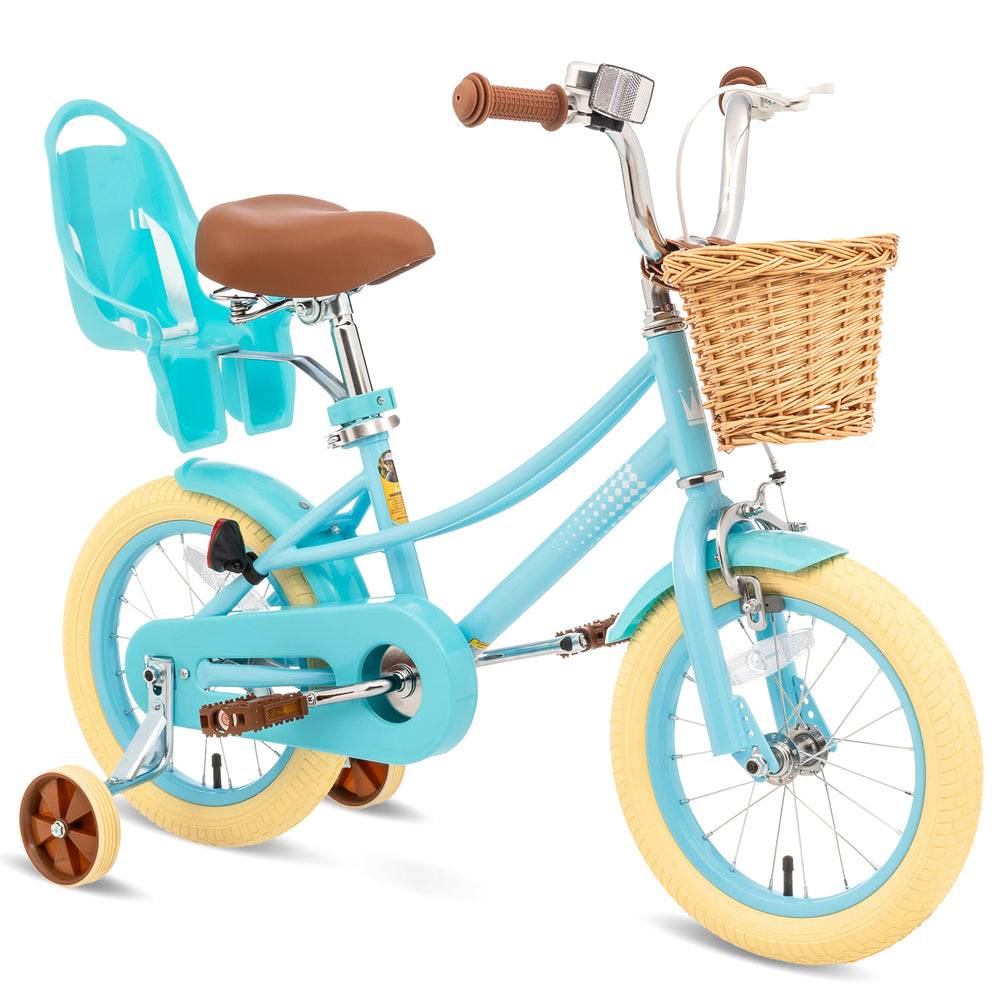 Girls' Training Wheel Bike by XJD, 12–20 Inch Wheels – Blue
Its title identifies it as a training-wheel bike, and its available SKU labels include 20 Inch as well as 12 Inch, 14 Inch and 16 Inch.
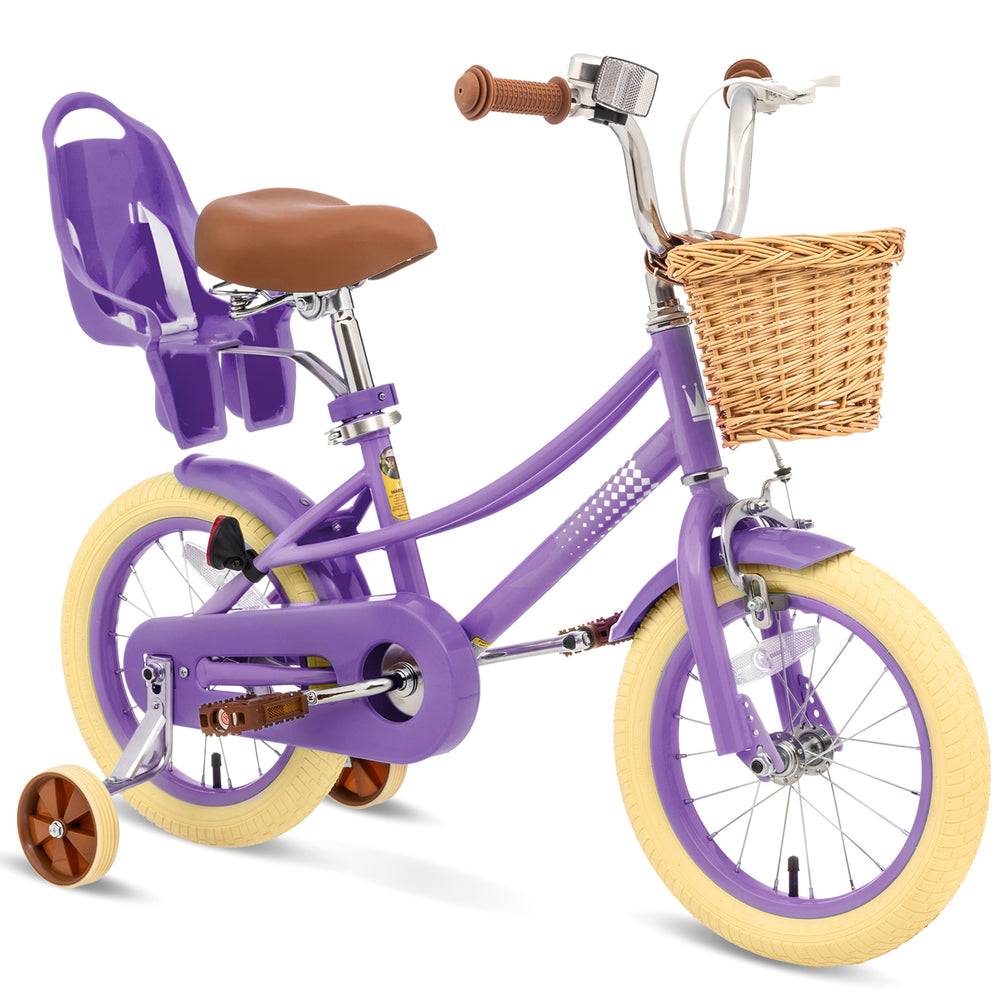 XJD Girls' Bike with Training Wheels, 12/14/16/20 Inch – Purple
This training-wheel bike lists 12 Inch, 14 Inch, 16 Inch and 20 Inch SKU labels, making the 20 Inch configuration directly relevant to the question.
- Light Pink XJD Girls' Bicycle with Basket & Training Wheels — available SKU labels include 12 Inch, 14 Inch, 16 Inch and 20 Inch.
- Girls' Training Wheel Bike by XJD, 12–20 Inch Wheels – Blue — available SKU labels include 12 Inch, 14 Inch, 16 Inch and 20 Inch.
- XJD Girls' Bike with Training Wheels, 12/14/16/20 Inch – Purple — available SKU labels include 12 Inch, 14 Inch, 16 Inch and 20 Inch.
These facts establish their relevance to the question, but they do not establish price, current stock, brake type, weight, load limit or the assembly details of a particular unit.
Start by measuring the rider
The XBikes starting point for a 20 inch bicycle is ages 7–12 and rider height 48–60 in / 122–152 cm. Age is only a starting point. Measure the child’s current height without shoes and use that measurement before choosing a wheel size.
Also measure inseam: have the child stand upright with feet slightly apart, then measure from the floor to the crotch. Do not turn that number into a homemade frame-size formula. Compare it with the stand-over guidance for the exact bicycle and have the child try the bike whenever possible.
A rider near a size boundary should not automatically be moved up “for growth.” The American Academy of Pediatrics guidance emphasizes trying the bicycle and avoiding an oversized bike. Individual stand-over clearance, reach, brake access and control are more important than getting extra years from the purchase.
Perform an individual fit check
With an adult stabilizing the bicycle, check the following before the child rides:
- Stand-over: The child can straddle the bicycle as directed by its manual without the frame preventing a stable stance.
- Reach: The child can hold the handlebar without stretching, locking the elbows or losing an upright, controlled position.
- Brake control: The child can reach and operate the supplied braking controls. Use the exact manual to identify the controls and adjustment instructions.
- Starting and stopping: The child can mount, look ahead, steer, pedal and stop without panic or an adult continually taking over.
- Confidence: The bicycle’s physical size and response feel manageable to this particular rider, regardless of age.
If any check fails, do not assume training wheels will correct an oversized or poorly fitting bicycle. Recheck the size and seek help from a qualified bicycle mechanic when adjustment or compatibility is uncertain.
Compare 20 inch with the neighboring sizes
| Wheel size | XBikes age starting point | XBikes rider-height starting point |
|---|---|---|
| 18 Inch | 5–9 | 43–52 in / 109–132 cm |
| 20 Inch | 7–12 | 48–60 in / 122–152 cm |
| 24 Inch | 10–14 | 54–64 in / 137–163 cm |
The ranges overlap because children with the same height can differ in inseam, reach and coordination. An 18 inch or 24 inch bicycle is not equivalent to a 20 inch bicycle, and neither should be chosen solely from age. Use the table to identify sizes worth trying, then let the fit check decide.
Confirm the training-wheel setup
Before purchase or assembly, confirm that the selected listing or package is the exact 20 Inch configuration, rather than another size shown on the same product page. Then consult that configuration’s manual for included parts, assembly, fastener torque, maintenance, load limits and training-wheel compatibility. Those details cannot safely be inferred from a shared model title.
If parts are missing, the instructions are unclear, or the training-wheel mounting does not match the manual, stop and use a qualified bicycle mechanic. Do not improvise hardware or copy settings from a different wheel size.
Make the final 20 inch decision
Choose a 20 inch training-wheel bike only when the exact 20 Inch SKU is identified, its supplied setup is confirmed in the product information or manual, and the child passes the stand-over, reach, brake-control and confidence checks. Add a properly fitting bicycle helmet that sits level, with its straps adjusted according to the helmet manufacturer’s instructions. If the fit checks fail, compare another wheel size instead of relying on training wheels to make the 20 inch bike suitable.
Recommended products
-
Save 11%
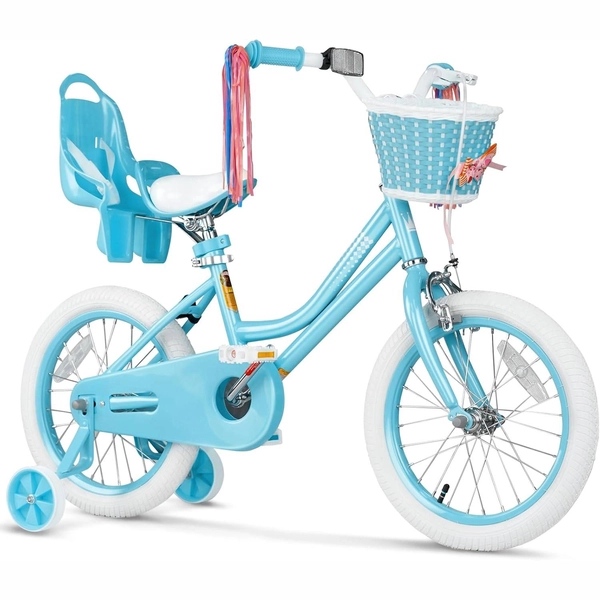
Blue XJD Girls Bike with Training Wheels – 12/14/16 Inch
If you're shopping for a first pedal bike for a daughter roughly 3 to 8 years ol…
Training Wheel Bikes Wheel Size 12 Inch / 14 Inch / 16 Inch Recommended Height 86–122 cm Training Wheels Yes 16 Inch -
Save 12%
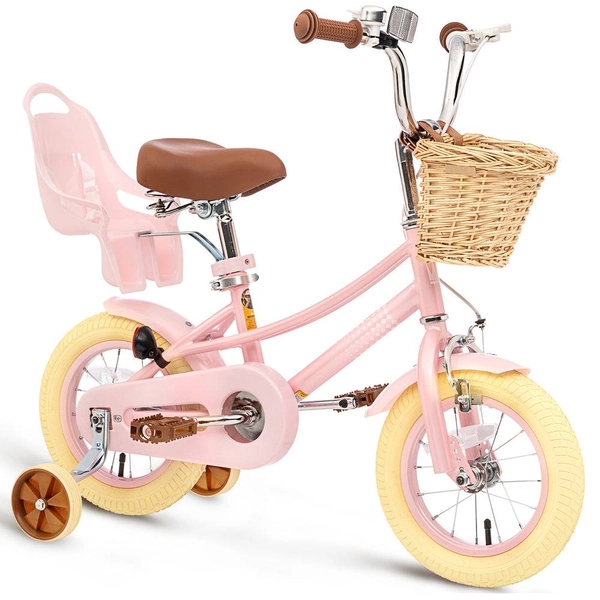
XJD Kids Bike for Girls – Pink, 12/14/16/20 Inch with Training Wheels
The XJD Kids Bike for Girls in Pink is a training-wheel bike built to carry your…
Training Wheel Bikes Wheel Size 12 Inch / 14 Inch / 16 Inch / 20 Inch Recommended Height 86–152 cm Training Wheels Yes 12 Inch -
Save 11%
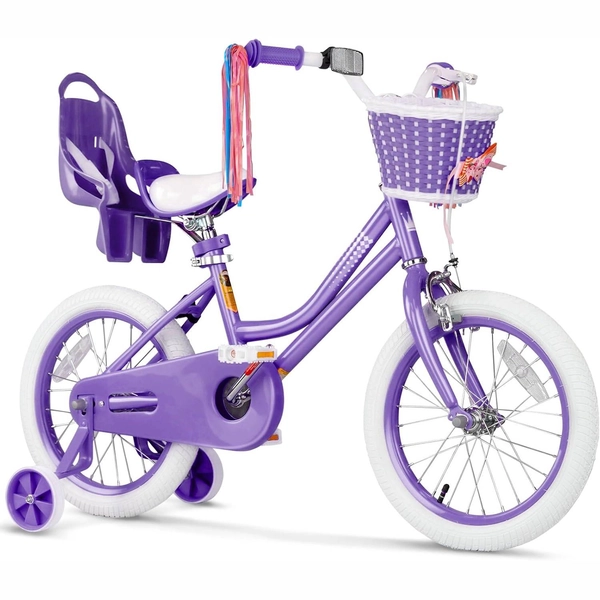
XJD Girls Bike for Kids Ages 3-8, 12/14/16 Inch with Training Wheels – Purple
The XJD Girls Bike in Purple is a training-wheel bicycle for kids ages 3 to 8, f…
Training Wheel Bikes Wheel Size 12 Inch / 14 Inch / 16 Inch Recommended Height 86–122 cm Training Wheels Yes 12 Inch -
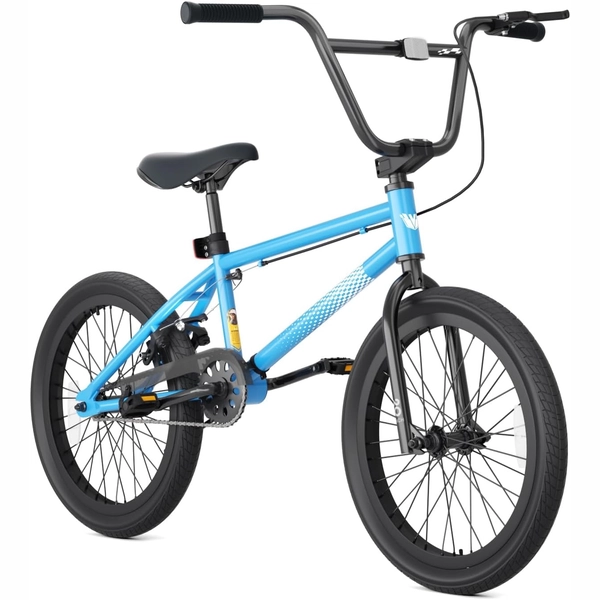
Blue XJD Freestyle BMX Bike, 20-Inch – No Pegs
The XJD 20-Inch Blue Freestyle BMX is an entry-level BMX bike for boys and girls…
Kids' BMX Bikes Wheel Size 20 Inch Recommended Height 122–152 cm Training Wheels No Single Speed