How to Check Kids Bike Chain Wear Safely
Learning how to check kids bike chain wear starts by separating wear from dirt and tension. A chain can be rusty, tight, loose or damaged without measuring as elongated, while a worn chain may look clean. Because replacement limits vary with drivetrain design, use a compatible chain gauge and the bicycle or component specification rather than one universal number.
Identify the drivetrain first
Confirm whether the bicycle is single speed or geared and whether a full chain case limits access. Count speeds only when the manual requires it for tool selection. Do not remove a safety guard or rear wheel simply to take a measurement. If the measuring points are not safely accessible, a bicycle technician can check the chain during routine service.
Clean enough to inspect
With the bicycle stable and the child away, wipe accessible chain surfaces through the approved method. Keep hands clear whenever the crank or wheel can move. Look for bent plates, cracked links, missing rollers, stiff joints and severe rust. Any physical damage is a service issue regardless of a wear-gauge reading.
Use a compatible wear gauge
Follow the gauge maker's orientation and placement instructions and compare the result with the limit specified for the exact drivetrain. Do not force the tool between rollers or measure only the loosest-looking section. Repeat at several positions because dirt and individual links can affect feel. A ruler method also requires precise pin-to-pin technique and the correct interpretation.
Do not confuse wear with chain tension
Single-speed chain slack depends on wheel position and drivetrain geometry, while chain wear describes accumulated change between links. Moving the rear wheel to remove slack does not restore a worn chain. Conversely, replacing a chain does not correct misalignment, damaged sprockets or an incorrectly positioned rear wheel. Each condition needs its own approved check.
Plan compatible replacement and testing
A worn chain can accelerate wear on chainrings and sprockets, and a new chain may not run correctly on already damaged teeth. Let a shop assess the complete system when the gauge fails or the chain skips. After service, an adult checks guard clearance, rear-wheel retention and brakes, then tests smooth pedaling on level ground.
How current product examples clarify the choice
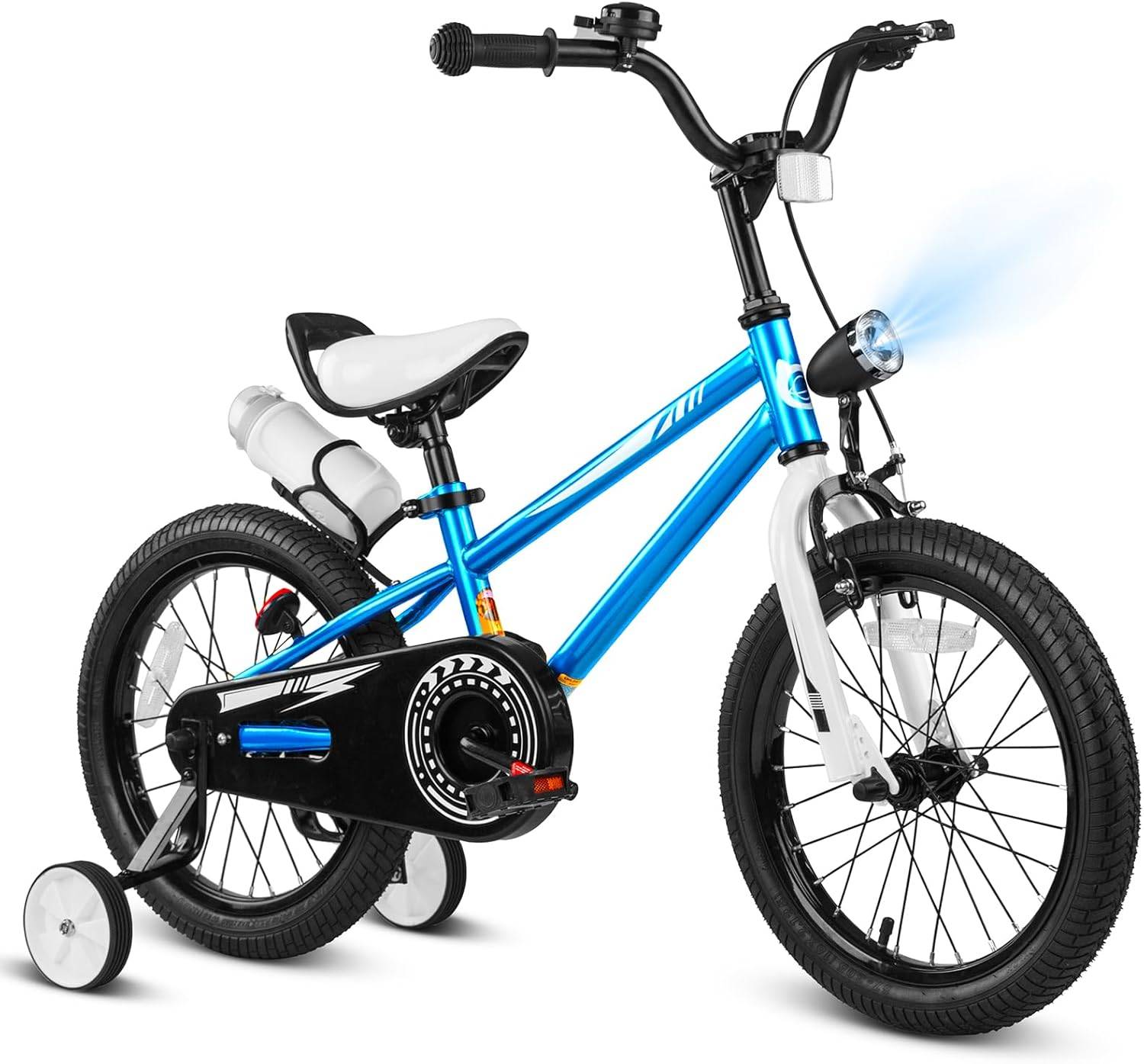
The Blue XJD 12/14/16-Inch Kids Bike uses a single-speed format with training-wheel configurations across its size range. It is a practical example of why parents should not copy a wear threshold from a multi-speed adult bicycle. The exact chain, sprockets, guard and selected model instructions must be considered together.
Practical checklist
- Identify the drivetrain before choosing a gauge.
- Treat damaged links separately from measured wear.
- Do not use wheel adjustment to hide chain wear.
- Inspect sprockets and brakes during replacement.
Frequently asked questions
Is chain stretch the chain getting physically longer?
Wear at the pins and rollers increases effective pitch; the metal side plates do not simply stretch like elastic.
Can I judge kids bike chain wear by rust?
No. Rust needs attention, but measured elongation, link damage and drivetrain performance are separate checks.
Before making the final choice, revisit the exact route or driving area at the time it will normally be used. A setup that works during a quiet test may need more room, visibility or adult support when other people and everyday obstacles are present.
Bottom line
Use the answer to how to check kids bike chain wear as a decision process, not a shortcut. Confirm the live product data and manual, match the rider to the controls and setting, and favor repeatable control over a larger size or higher performance label.
Recommended products
-
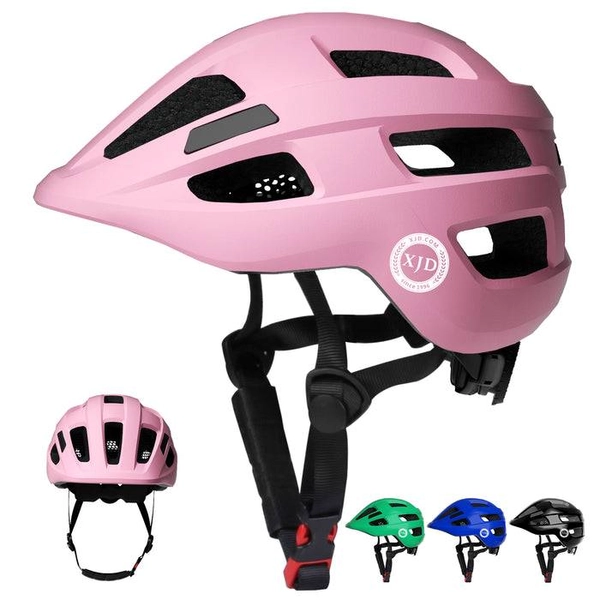
Kids Bike Helmet by XJD for Boys & Girls – Black, Blue, Green, Pink, Purple
The XJD Kids Bike Helmet covers a wide 2-to-8-year age range thanks to two head-…
Bike Helmets Pink / M:20.47"-22.05" / 52-56 cm -
Save 39%
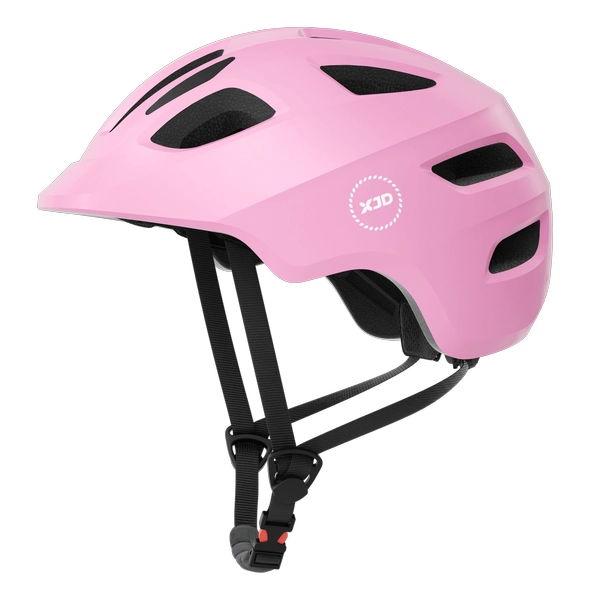
Kids Bike Helmet by XJD for Girls – Pink
The XJD Kids Bike Helmet in Pink is a lightweight multi-sport helmet for girls r…
Bike Helmets Black / S:18.11"-20.08" / 46-51 cm -
Save 12%
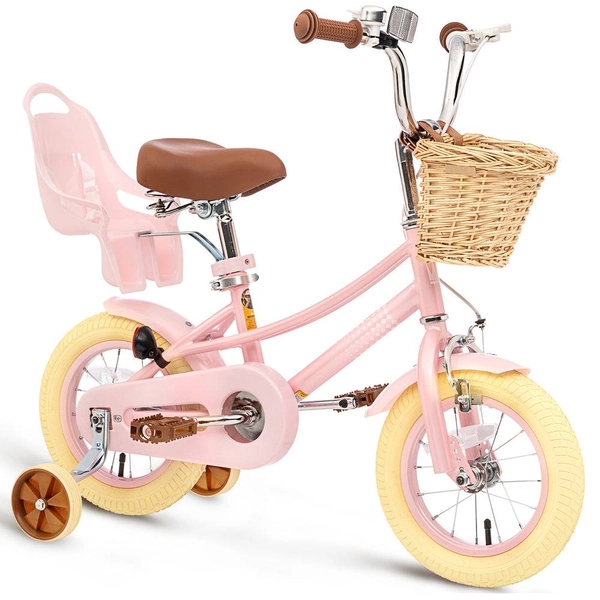
XJD Kids Bike for Girls – Pink, 12/14/16/20 Inch with Training Wheels
The XJD Kids Bike for Girls in Pink is a training-wheel bike built to carry your…
Training Wheel Bikes Wheel Size 12 Inch / 14 Inch / 16 Inch / 20 Inch Recommended Height 86–152 cm Training Wheels Yes 12 Inch -
Save 15%
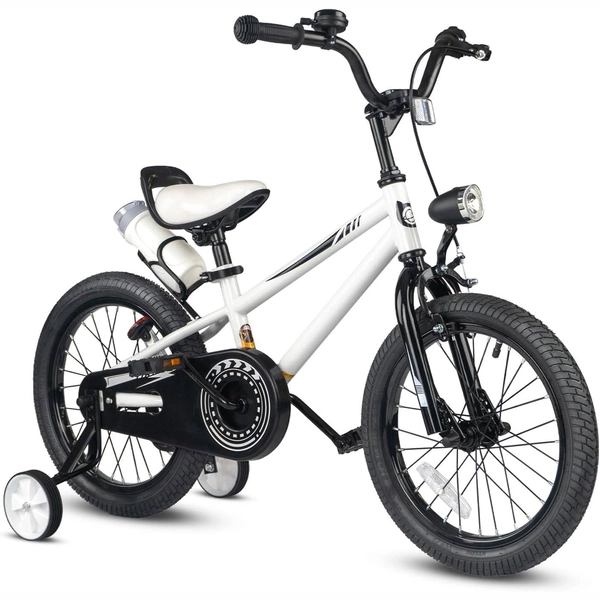
XJD Kids' Training Wheel Bike for Boys & Girls, 12/14/16 Inch – White
The XJD kids' training wheel bike in White is made for riders ages 3–8 (roughly …
Training Wheel Bikes Wheel Size 12 Inch / 14 Inch / 16 Inch Recommended Height 86–122 cm Training Wheels Yes 14 Inch