Kids Bike Crank Arm Bent: Signs and Next Steps
A kids bike crank arm bent after a fall, curb strike, or transport can move the pedal in an unusual path, reduce frame clearance, or make pedaling feel uneven. Similar symptoms can come from a bent pedal spindle, loose crank, damaged chainring, or bottom-bracket play. Do not try to straighten the arm with a pipe or hammer; park the bicycle and identify the source.
Record the pedal path
Support the bicycle only by its approved method and rotate the crank slowly with fingers, clothing, and tools clear of the chain. View the pedal from front and above. Note whether the pedal tilts, the arm moves sideways, or the chainring wobbles. Stop if a pedal approaches the frame, the chain catches, or a cracked or loose interface appears.
Separate pedal and crank damage
With all movement stopped, apply gentle hand pressure at the pedal and crank. Watch the pedal body on its spindle, the spindle in the crank threads, and the crank on the bottom-bracket spindle. A bent pedal can imitate a bent arm, while play at a connection indicates a different fault. Do not stand on the pedal to make the symptom easier to see.
Inspect impact marks and clearances
Compare left and right arms for fresh scrapes, dents, twists, cracks, or changed distance from the chainstay. Intentional shapes are not always symmetrical, so use the model parts diagram rather than sight alone. Check chain guard and chainring clearance. Any crack, damaged thread, or uncertain deformation needs professional component assessment.
Avoid straightening and substitute parts
Crank material and manufacturing method determine how damage behaves. Heating, bending, or striking can create hidden weakness even when the arm looks straight afterward. Replacement must match spindle interface, length, chain line, pedal threads, guard, and bicycle fit. A similar-looking adult crank can change pedal position and drivetrain alignment.
Verify the whole drivetrain after repair
A technician should inspect the pedal, both crank arms, spindle or bottom bracket, chainring, chain, and nearby frame. After compatible replacement, rotate through many cycles and check guard clearance, rear-wheel alignment, and both brakes. An adult completes a low-load level test. Recurring wobble, clicking, or looseness ends the test.
How current product examples clarify the choice
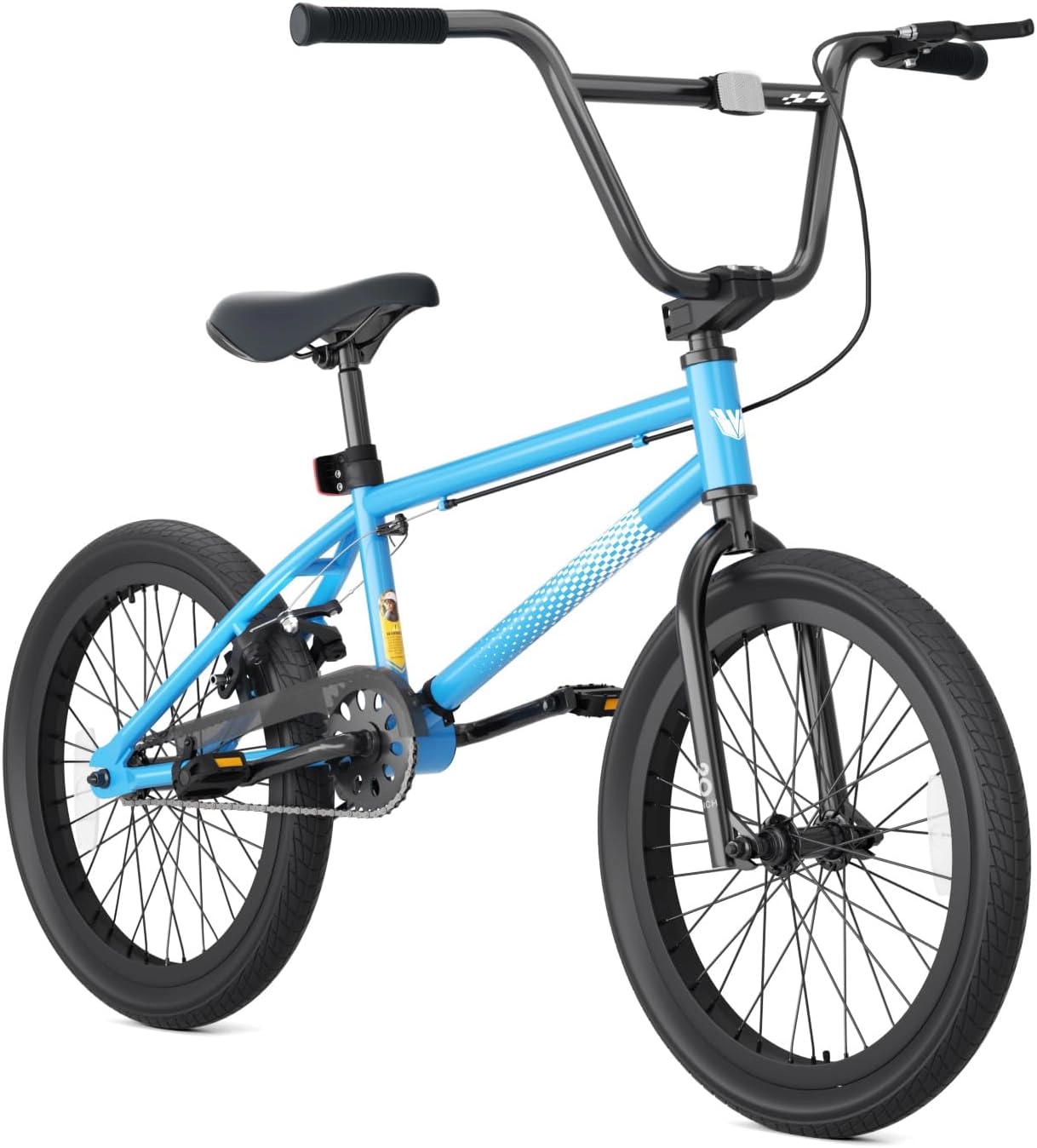
The Blue XJD 20-Inch Freestyle BMX Bike uses a wide-tire BMX layout with a single-speed drivetrain. It gives concrete context for checking crank, pedal, chainring, and frame clearance as one system. The product family name alone does not specify crank length or spindle interface, so verify the actual component markings.
Practical checklist
- Stop after an impact symptom.
- Compare pedal, crank, and spindle movement.
- Never bend a crank arm back.
- Match interface and crank length.
Frequently asked questions
Can a slightly bent crank arm be ridden?
No. It can affect control, clearance, and component strength and should be assessed before use.
How can I tell a bent pedal from a bent crank?
Observe the separate spindle and arm paths under safe unloaded rotation, then have uncertain damage professionally inspected.
Before making the final choice, revisit the exact route or driving area at the time it will normally be used. A setup that works during a quiet test may need more room, visibility or adult support when other people and everyday obstacles are present.
Bottom line
Use the answer to kids bike crank arm bent as a decision process, not a shortcut. Confirm the live product data and manual, match the rider to the controls and setting, and favor repeatable control over a larger size or higher performance label.
Recommended products
-
Save 12%
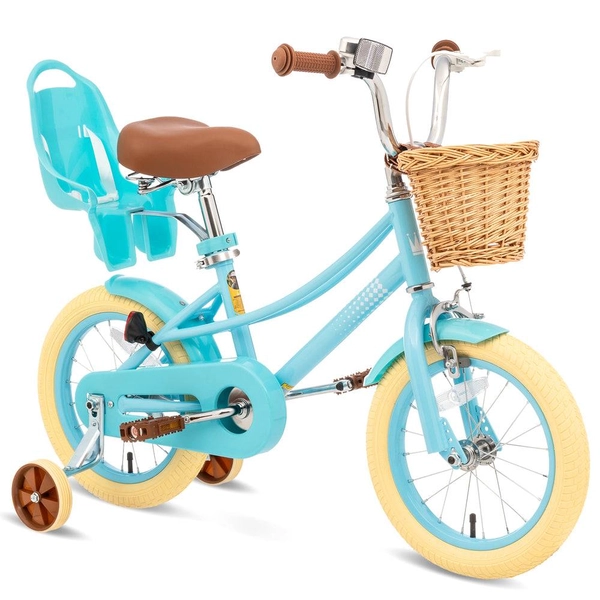
Girls' Training Wheel Bike by XJD, 12–20 Inch Wheels – Blue
This XJD girls' training wheel bike in Blue covers one of the widest fit ranges …
Training Wheel Bikes Wheel Size 12 Inch / 14 Inch / 16 Inch / 20 Inch Recommended Height 86–152 cm Training Wheels Yes 12 Inch -
Save 11%
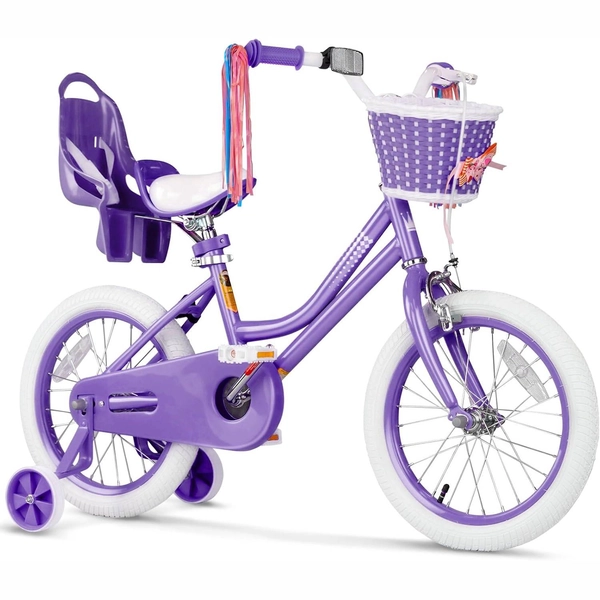
XJD Girls Bike for Kids Ages 3-8, 12/14/16 Inch with Training Wheels – Purple
The XJD Girls Bike in Purple is a training-wheel bicycle for kids ages 3 to 8, f…
Training Wheel Bikes Wheel Size 12 Inch / 14 Inch / 16 Inch Recommended Height 86–122 cm Training Wheels Yes 12 Inch -
Save 11%
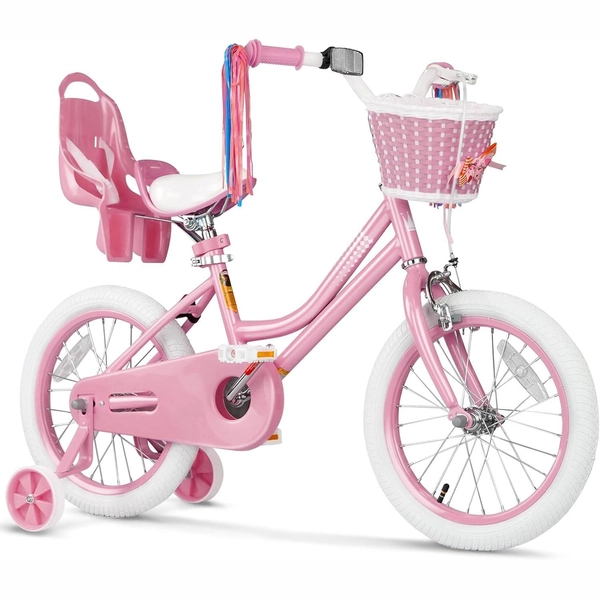
XJD Pink Girls' Bike – Kids 12/14/16 Inch Training Wheel Bicycle
The XJD Pink Girls' Bike is a training-wheel bicycle for girls ages 3 to 8 (ride…
Training Wheel Bikes Wheel Size 12 Inch / 14 Inch / 16 Inch Recommended Height 86–122 cm Training Wheels Yes 14 Inch -
Save 11%
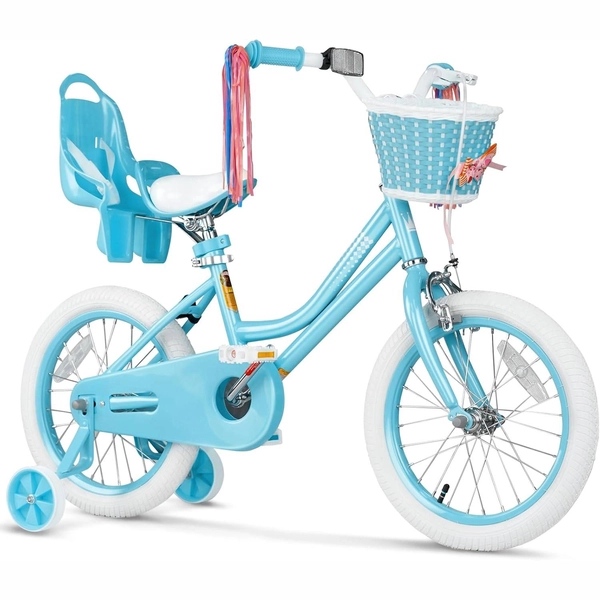
Blue XJD Girls Bike with Training Wheels – 12/14/16 Inch
If you're shopping for a first pedal bike for a daughter roughly 3 to 8 years ol…
Training Wheel Bikes Wheel Size 12 Inch / 14 Inch / 16 Inch Recommended Height 86–122 cm Training Wheels Yes 16 Inch