

Can an infant bike helmet be to heavy
Yes, an infant bike helmet can be too heavy if the child cannot hold their head steady and comfortably with it on. Weight alone is not the deciding measurement: correct head fit, neck control, posture and the instructions for both the helmet and riding equipment matter.
Check the child before comparing helmets
An infant should be able to maintain a stable, upright head position without the helmet before you assess one. After gently placing the helmet, watch whether the child’s head tips forward, backward or sideways; whether posture changes; and whether the child repeatedly struggles to lift or turn their head.
Remove the helmet if it appears to overwhelm the child’s head control. Persistent difficulty, unusual discomfort, or concerns about neck development should be discussed with the child’s pediatrician. Do not try to solve poor control by tightening the straps excessively or adding unsupported padding.
Measure and compare four things
- Head circumference: Measure around the widest part of the head, keeping the tape level above the eyebrows and ears. Record the result in centimeters and compare it with the exact size label and manufacturer’s fitting instructions.
- Actual helmet weight: If weight is not published, weigh the complete helmet as it will be worn. Compare candidate helmets on the same scale. The supplied XBikes facts do not state weights, so no weight comparison between these products can be made from the catalog information.
- Stability: With the helmet level, check that ordinary head movement does not make it slide, obscure vision or shift out of position.
- Comfort and control: Observe the child rather than relying on age wording. The child should retain normal head posture and movement without pressure points or distress.
Fit matters as much as heaviness
A helmet that feels heavy may actually be oversized, unstable or positioned incorrectly. A bicycle helmet should sit level and fit snugly, with its straps adjusted according to the manufacturer’s instructions. It should not perch high, fall toward the eyes or depend on extreme strap tension to remain in place.
Do not buy a larger helmet for future growth. If the measured circumference falls between labels, or the shell shape does not match the child’s head, consult the exact product manual or choose another model that can be fitted correctly. Never alter the shell, liner or retention system.
How the supplied XBikes options help
The supplied products are useful as circumference comparison points, not as proof that either helmet is light enough or developmentally appropriate for an infant. The Green XJD Kids Bike Helmet for Boys & Girls is offered in S, 46–51 cm, and M, 52–56 cm. The Black XJD Toddler Bike Helmet, Adjustable – Kids' Protective Helmet has listed options of XS 46–51 cm, XS 48–50 cm, S 51–54 cm and S 52–56 cm. Words such as “Kids” and “Toddler” are catalog labels, not evidence of infant fit.
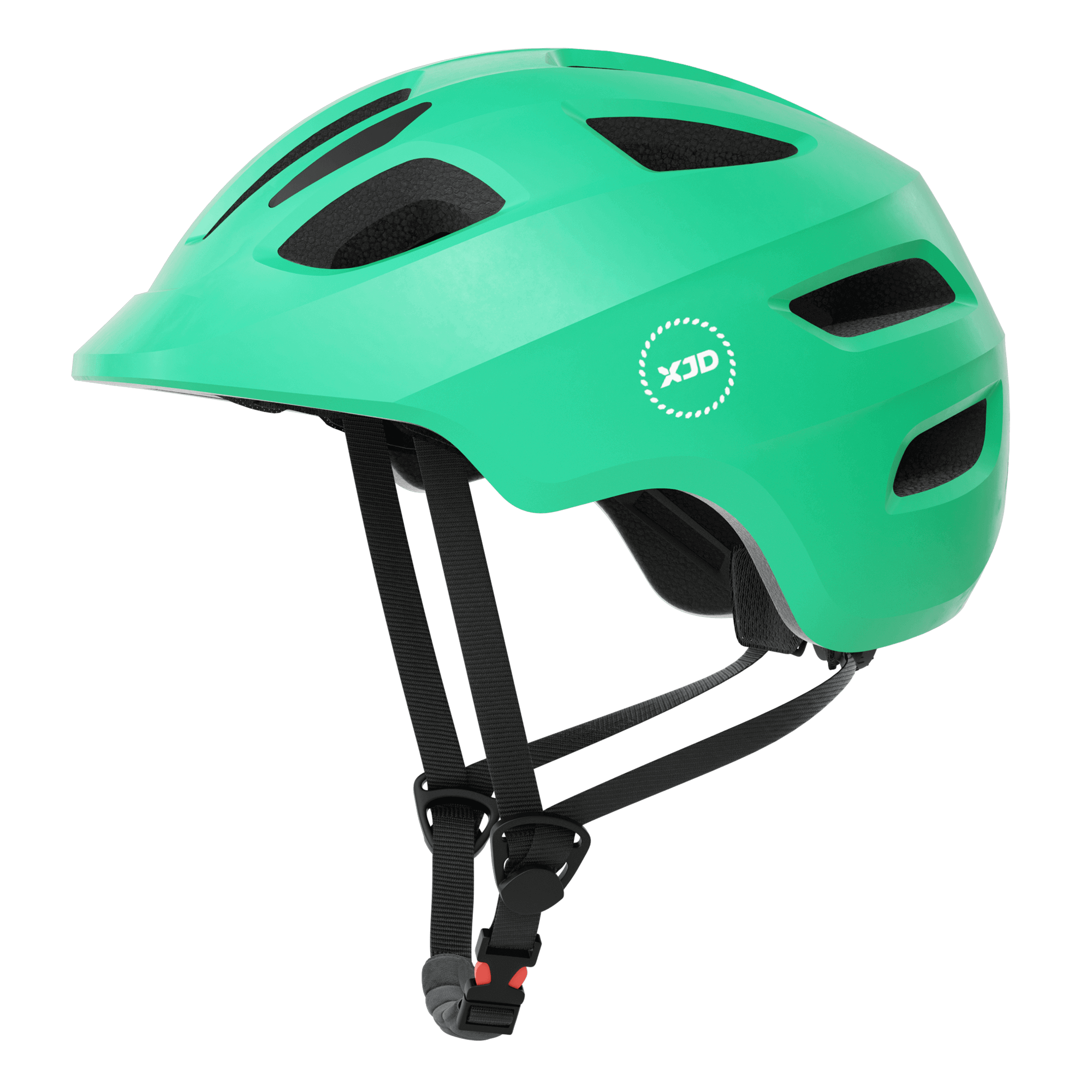 Green XJD Kids Bike Helmet for Boys & Girls
Available in S 46–51 cm and M 52–56 cm, this helmet is relevant only when the measured head circumference matches. Its catalog facts provide no weight or infant-fit evidence.
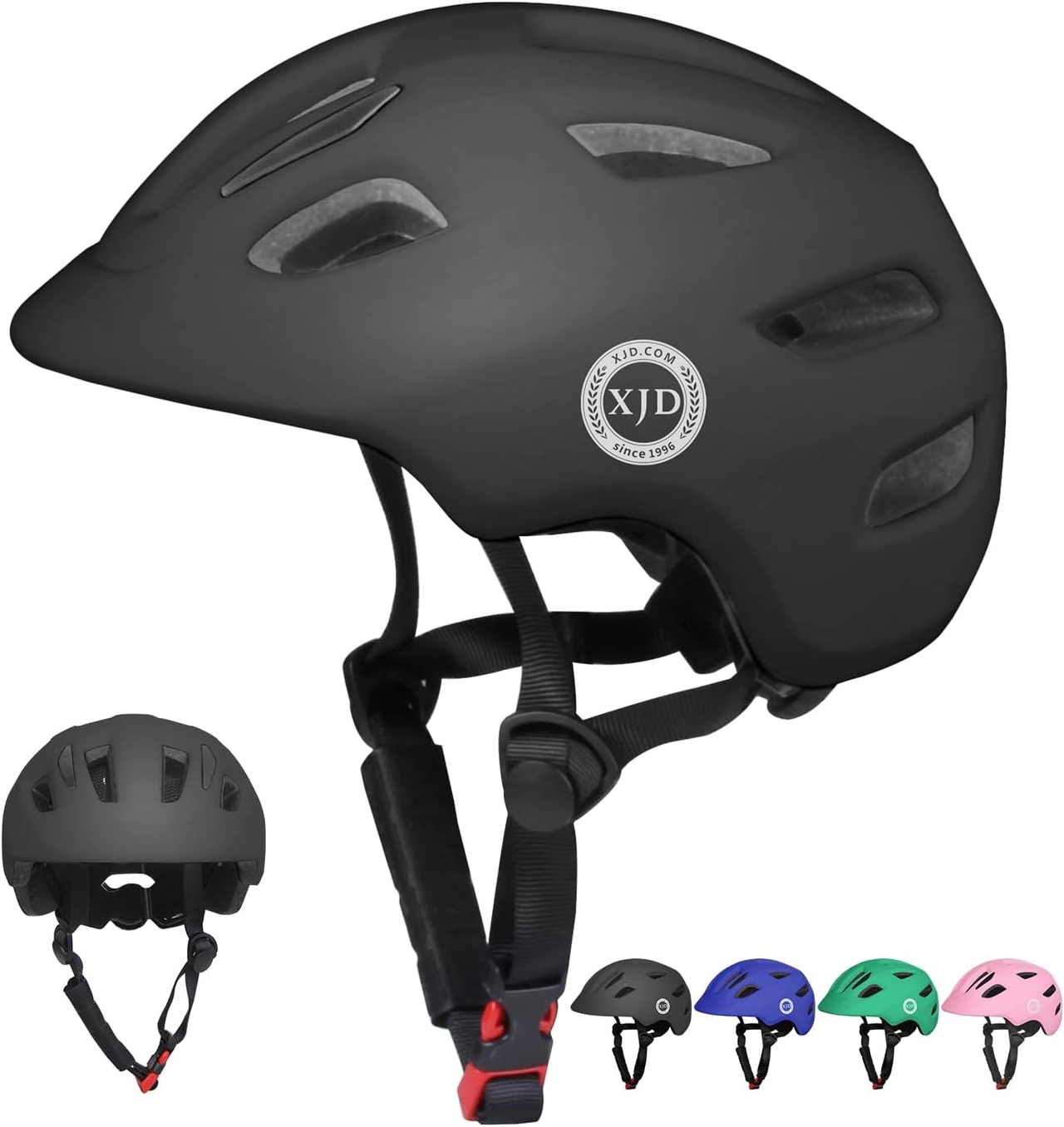 Black XJD Toddler Bike Helmet, Adjustable – Kids' Protective Helmet
Its XS and S options span listed ranges from 46–51 cm through 52–56 cm. “Toddler” is a catalog label, and the supplied facts do not establish weight or infant suitability.
If the infant’s measured head circumference is outside a listed range, neither product is relevant. Even when the number falls within a range, confirm the exact selected SKU, try the helmet on, follow its manual and reject any fit that is unstable or interferes with head control. Because no product weight is supplied, these listings cannot answer which option is lighter.
Check the riding setup separately
A correctly fitted helmet does not establish that an infant is ready for a bicycle seat, trailer or other transport setup. Follow the manuals for the helmet, bicycle and child-carrying equipment, including their stated age, development, fit, load and compatibility requirements. If those instructions are missing or conflict, do not ride until the manufacturer or a qualified bicycle mechanic resolves the issue.
If the child will eventually ride an independent bicycle, wheel size is a separate decision. XBikes starts at 12 inches for ages 3–4 and rider heights of 34–40 inches (86–102 cm), but that is only a starting point—not an infant recommendation. Prioritize measured height, inseam, reach, brake control and present confidence, and have the child try the bicycle. Do not choose an oversized bike for growth.
What to do next
- Measure the child’s head circumference in centimeters.
- Check the exact helmet size label and full manufacturer instructions.
- Compare complete helmet weights on the same scale if weight data is unavailable.
- Try each correctly sized helmet while the child is stationary and supported.
- Remove any helmet that causes tipping, restricted movement, poor vision, instability or distress.
- Confirm that the child and the intended riding setup meet every applicable manual requirement.
The practical decision is simple: use a helmet only when its measured size fits correctly and the infant can keep normal, comfortable head control while wearing it. If either condition fails—or readiness is uncertain—do not ride yet.
Bikes for your next adventure
-

Kids Bike Helmet by XJD for Girls – Pink
The XJD Kids Bike Helmet in Pink is a lightweight multi-sport helmet for girls r…$59.99
$99 -
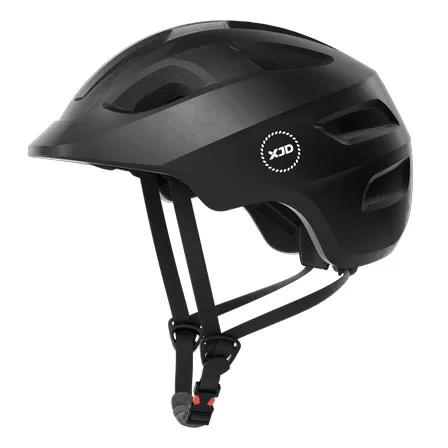
Kids Multi-Sport Bike Helmet by XJD – Black
7 reviews
The XJD Kids Multi-Sport Bike Helmet in Black is a lightweight, adjustable helme…$59.99
$49 -

Kids Bike Helmet by XJD for Boys & Girls – Black, Blue, Green, Pink, Purple
The XJD Kids Bike Helmet covers a wide 2-to-8-year age range thanks to two head-…$59.99