

How is a toddler bike helmet supposed to fit
A toddler bike helmet should fit snugly, sit level on the head, and stay in place when the child moves. Measure the head first, then confirm the fit in person.
Measure before choosing a size
Use a flexible measuring tape around the widest part of your toddler’s head. Keep the tape level, passing above the eyebrows and around the fullest area at the back. It should touch the head without compressing the skin or sitting over thick hair accessories.
Record the measurement in centimeters because the supplied helmet sizes use centimeters. Measure again to catch an angled or loose first reading. Compare the result with the helmet’s stated range; do not choose by the child’s age or by age wording in a product title.
A measurement within a range is only the starting point. Head shapes differ, so the child must try on the helmet and complete the checks below. If the measurement falls between listed sizes or near a boundary, compare both appropriate options in person rather than assuming that a larger helmet will provide useful growing room.
Check the helmet’s position
Place the helmet directly on the head with hair arranged as it will be during riding. The shell should sit level from front to back, covering the forehead instead of tipping upward or sliding toward the eyes. Follow the helmet manufacturer’s instructions for any internal adjustment system.
With the straps still open, gently move the helmet side to side and front to back. A properly sized helmet should move the scalp slightly rather than travel freely across the head. Pressure should feel even. Remove it if your toddler reports pain or if you see a concentrated pressure point.
A helmet is too large if it rocks, rotates easily, or cannot be made stable without overtightening the retention system. It is too small if it cannot sit fully and level, creates painful pressure, or will not close and adjust according to its manual.
Adjust and verify the straps
Fasten and adjust the straps exactly as the manufacturer directs. The side straps should lie flat rather than twist, and the buckle should secure beneath the chin without resting on the throat. The system should be snug enough to limit movement while still allowing normal speaking and comfortable mouth movement.
Ask the child to look up, down, and from side to side. Then have them gently shake their head. Recheck that the helmet remains level, the forehead stays covered, and the straps do not loosen or shift into an uncomfortable position. If correct adjustment cannot stop the helmet from moving, try a different size or shape.
How the supplied sizes compare
These particular catalog options are relevant because they provide two nearby head-size ranges—46–51 cm and 52–56 cm—so a parent can compare a measured circumference with an available label before performing the essential try-on check.
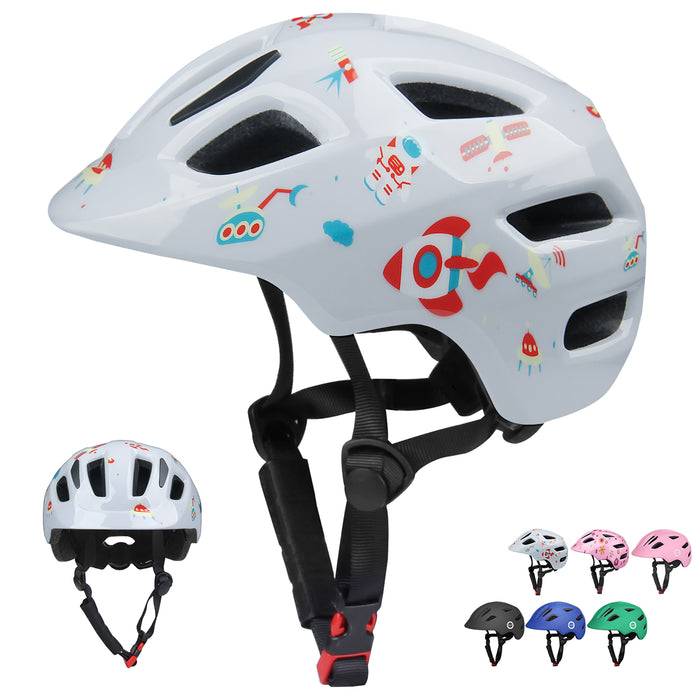 White Astronaut Bike Helmet for Kids by XJD – Toddler to Youth Sizes
Offers two supplied size comparisons: S for 46–51 cm and M for 52–56 cm. The Toddler to Youth wording is a catalog label, so measurement and an individual fit check remain necessary.
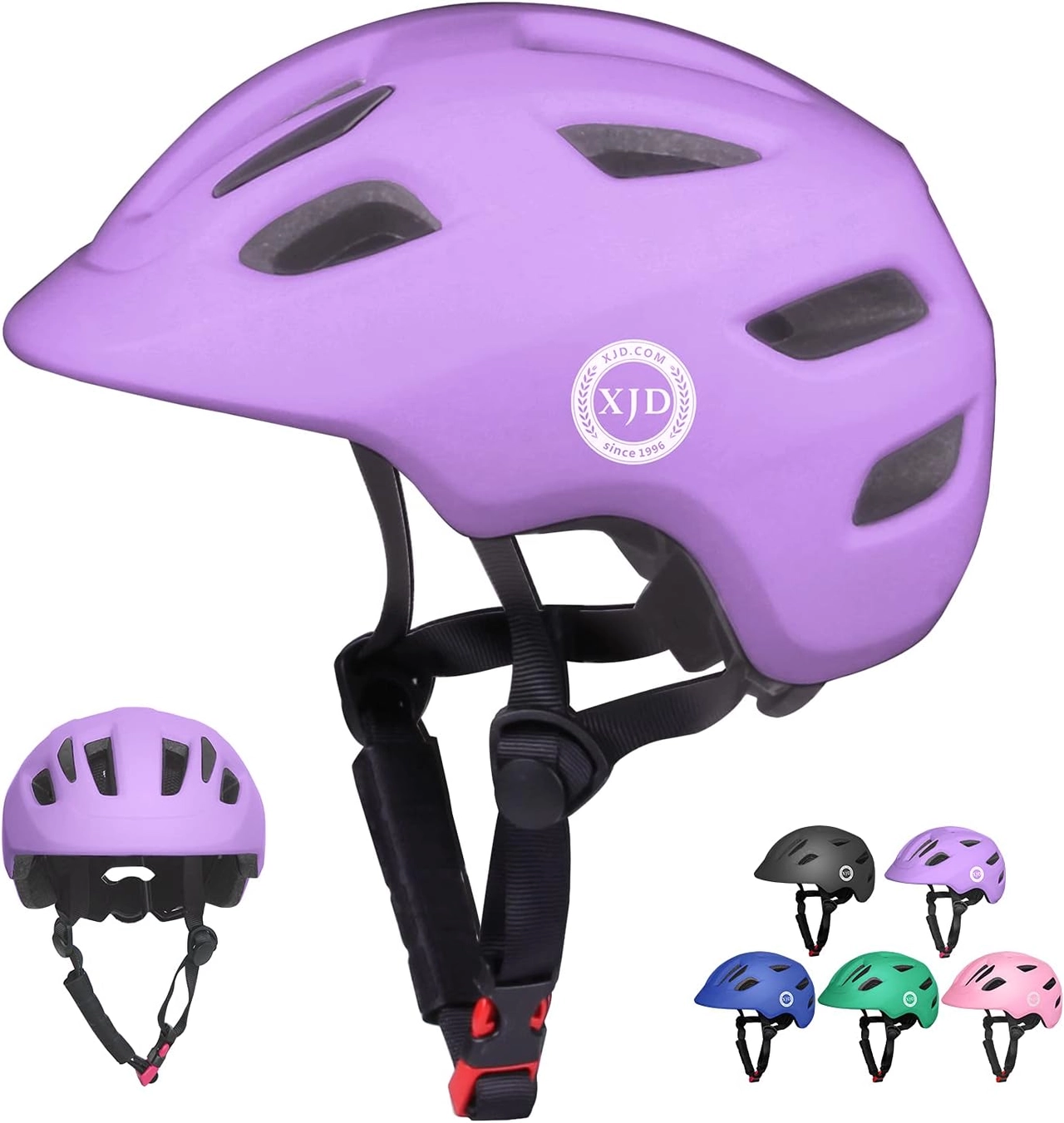 Light Purple XJD Toddler Bike Helmet, Adjustable, Size XS (46–51 cm)
Relevant when a repeated head measurement falls within the 46–51 cm range stated in the exact title. The available SKU label is Default, so confirm sizing from the title and verify the helmet in person.
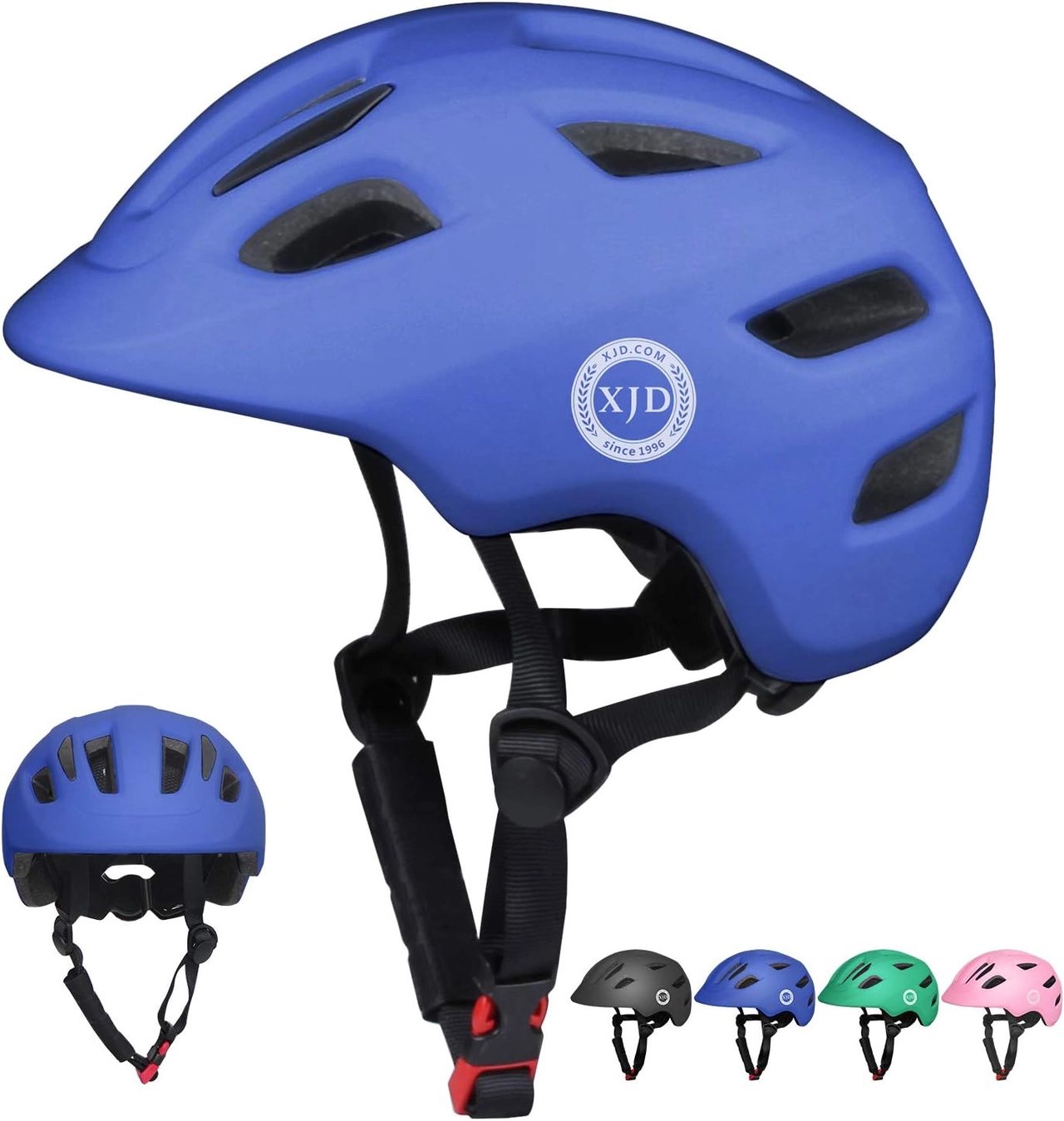 Blue XJD Kids' Bike Helmet, Adjustable Fit – Sizes XS & S
Provides XS at 46–51 cm and S at 52–56 cm, allowing comparison against a measured head circumference. The Kids' wording and size letters do not establish fit without a level, stable, comfortable try-on.
The White Astronaut Bike Helmet for Kids by XJD – Toddler to Youth Sizes lists S at 46–51 cm (18.11–20.08 inches) and M at 52–56 cm (20.47–22.05 inches). Its title’s “Toddler to Youth” wording is a catalog label, not evidence that either size fits a particular child.
The Light Purple XJD Toddler Bike Helmet, Adjustable, Size XS (46–51 cm) identifies an adjustable XS size of 46–51 cm in its exact title. Its available SKU label is “Default,” so use the stated title range for comparison and still verify the physical fit.
The Blue XJD Kids' Bike Helmet, Adjustable Fit – Sizes XS & S lists XS at 46–51 cm and S at 52–56 cm. This makes it another two-range comparison option, but neither “Kids’” nor the size letters replace the child’s actual head measurement.
Notice that the supplied ranges leave a gap above 51 cm and below 52 cm. If a measurement appears there, repeat it carefully and consult the exact product sizing instructions. Do not round the measurement to force a match.
Decide whether a listed helmet is relevant
- Relevant for a try-on: the repeated head measurement falls within the product’s stated centimeter range.
- Not established as a fit: the child’s age seems to match the title, but the head measurement does not match a listed range.
- Reject the fit: the helmet cannot remain level and stable after adjustment according to its instructions.
- Try another size or shape: stability requires uncomfortable tightening, or the child reports pressure or pain.
Recheck fit whenever the helmet is worn, especially after strap adjustments, changes in hairstyle, or a noticeable growth change. Do not place bulky items beneath it unless the manufacturer explicitly permits them, because they can alter position and retention.
Your next step
Measure your toddler’s head twice in centimeters, shortlist only a supplied range that contains that measurement, and conduct the level-position, movement, comfort, and strap checks with the child wearing it. If the helmet cannot pass every check while adjusted according to its manual, it is not the right fit—choose another size or helmet shape.
Bikes for your next adventure
-

Kids Bike Helmet by XJD for Boys & Girls – Black, Blue, Green, Pink, Purple
The XJD Kids Bike Helmet covers a wide 2-to-8-year age range thanks to two head-…$59.99
-
White Astronaut Bike Helmet for Kids by XJD – Toddler to Youth Sizes
4 reviews
The XJD White Astronaut kids' bike helmet is made for toddlers through younger e…$59.99
-
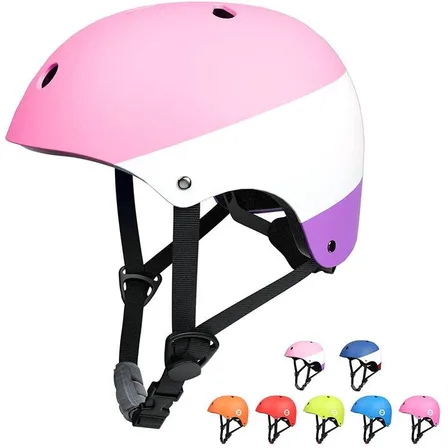
XJD Kids Bike Helmet for Boys & Girls, B White / Pink White
The XJD Kids Bike Helmet covers a wide age range — suggested for ages 2 through …$59.99