

How to get toddler to wear bike helmet
To get a toddler to wear a bike helmet, begin with a correctly sized, comfortable fit, offer limited choices, practise briefly at home, and make the helmet a firm condition of every ride.
Measure before asking them to wear it
Use a flexible tape to measure around the widest part of your toddler’s head. Keep the tape level and record the circumference in both centimetres and inches. Measure again if the tape slipped, crossed hair accessories or was pulled unusually tight.
Compare that measurement with the exact size range on the helmet label or product manual. Do not select a larger helmet merely to leave growing room. Age, colour and a product title containing the word “kids” do not establish fit.
After choosing a candidate size, place the helmet level on the child’s head and adjust its straps according to the manufacturer’s instructions. It should remain properly positioned during normal head movement. If it cannot sit level, shifts despite correct adjustment, causes pressure pain or interferes with vision, try another size or model. Do not modify padding or straps beyond what the manual permits.
Turn refusal into a small, predictable routine
A toddler may resist the interruption, unfamiliar sensation or loss of control rather than the helmet itself. Introduce it when nobody is rushing. Let the child hold it, identify its colour and practise wearing it for a short, calm period away from the bicycle.
- Offer two acceptable choices: “Blue or green?” or “Helmet now or after we put on shoes?”
- Use the same sequence each time: helmet, fit check, then ride.
- Keep the explanation brief: “The helmet goes on before the bike moves.”
- Praise the specific action, such as holding still while the straps are adjusted.
Avoid turning the decision into a long negotiation. If the helmet comes off, pause the ride. Consistency makes the rule easier to understand: no properly fitted helmet means no bicycle ride.
Check whether discomfort is the real problem
Ask or observe where the helmet bothers the child. Look for pinching, a strap rubbing the neck, hair caught in an adjustment point, or a shell that will not stay level. Recheck the head measurement and repeat the manufacturer’s fitting steps rather than assuming resistance is purely behavioural.
Practise when the child is rested, and keep the first sessions manageable. Adults and older children can model wearing helmets consistently. Never rely on distraction to conceal genuine pain or an unstable fit.
Compare the supplied helmet options
These XBikes catalog options help by showing which colour and documented size choices can involve the toddler in selection. Their titles and SKU labels are comparison information only; the measured head circumference and an individual fit check decide whether any option is relevant.
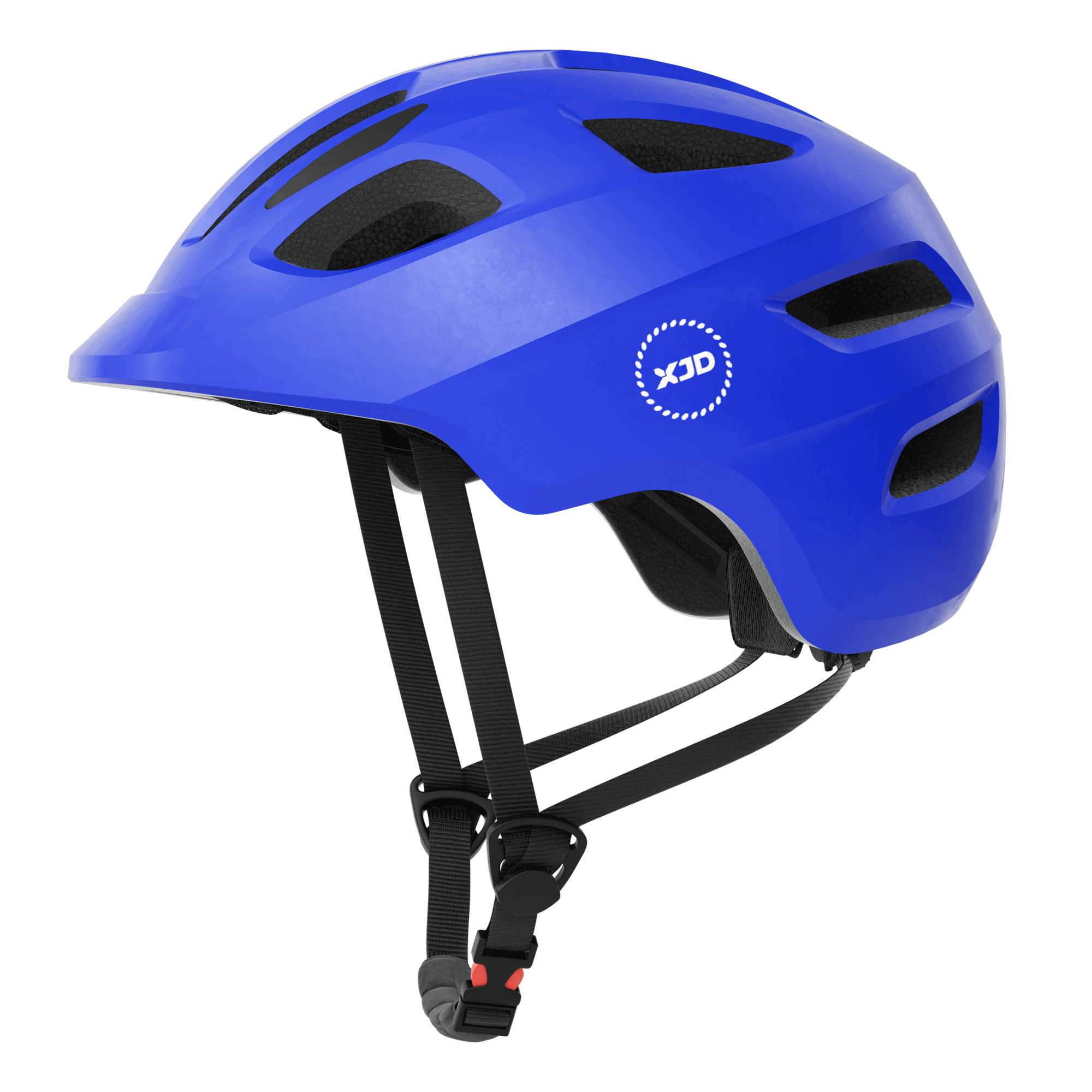 Blue XJD Kids Bike Helmet for Boys & Girls
Available in five colour labels that may support toddler choice, but the supplied facts include no circumference range; confirm the exact sizing and individual fit before use.
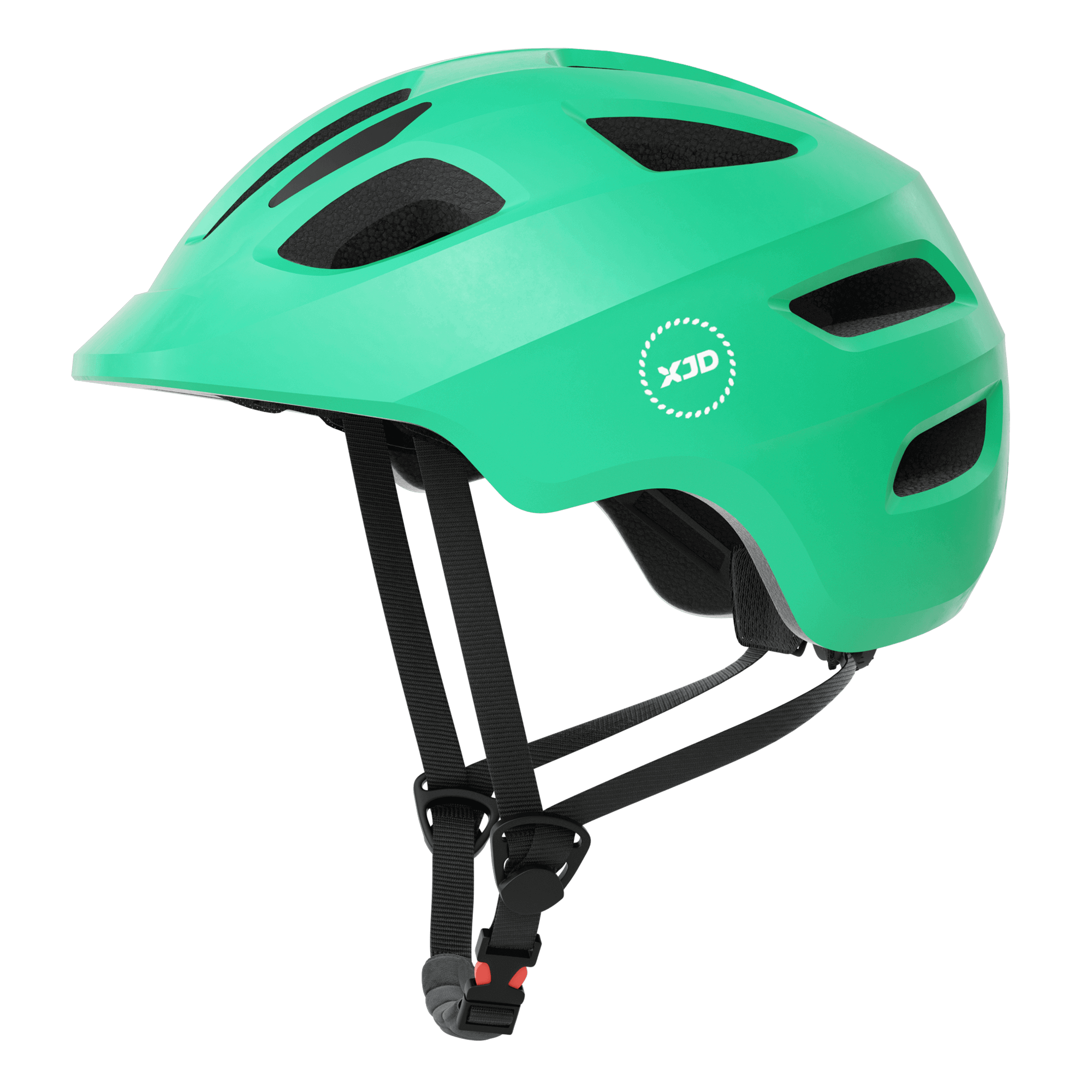 Green XJD Kids Bike Helmet for Boys & Girls
Offers S at 46–51 cm and M at 52–56 cm, each in five colour labels, allowing a direct head-measurement comparison followed by an individual fit check.
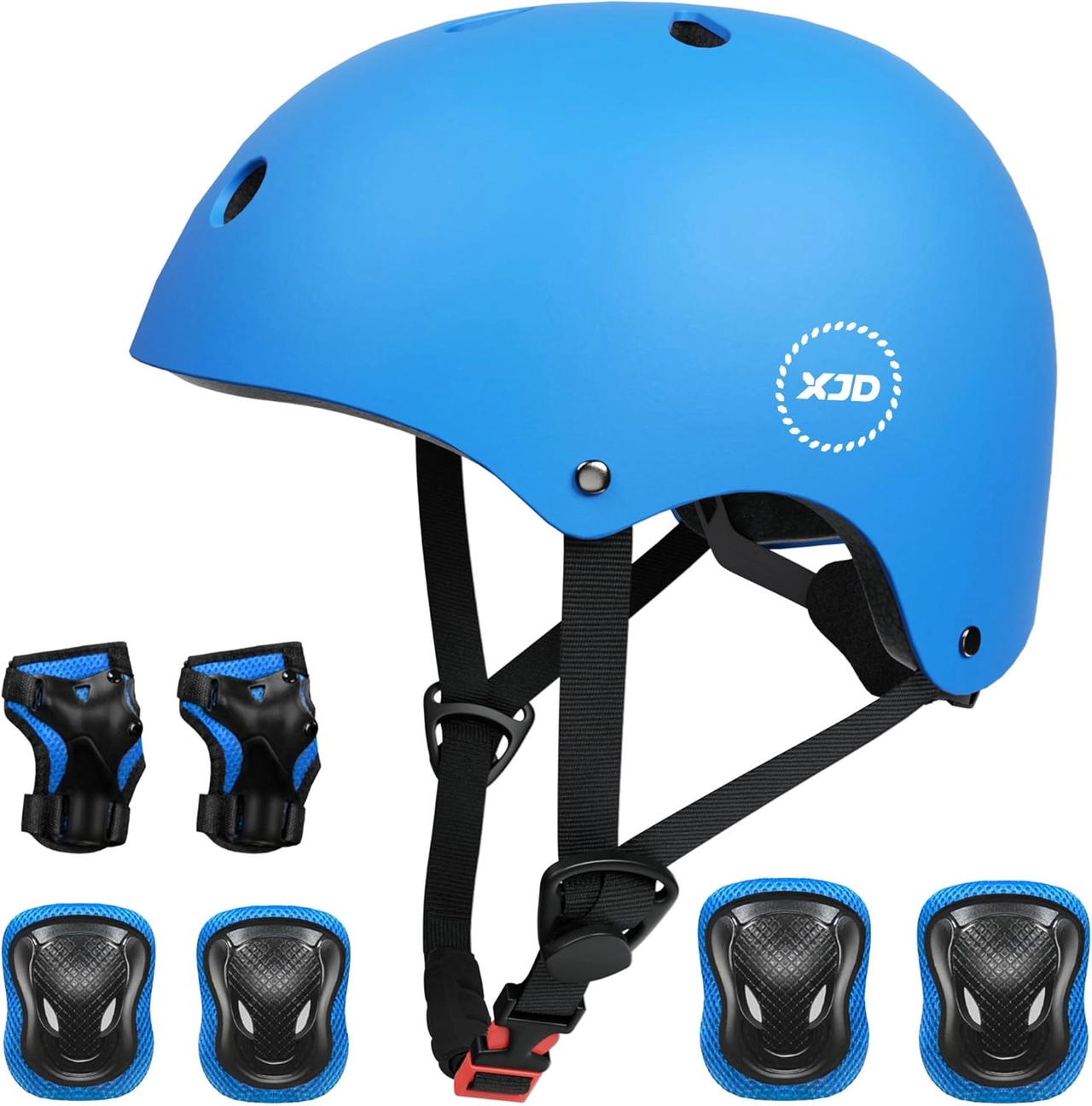 Blue XJD Helmet & Protective Gear Set for Kids, Sizes S/M
Includes protective gear and is offered in S and M, but supplied facts do not give circumference ranges; size letters alone cannot confirm toddler helmet fit.
The Blue XJD Kids Bike Helmet for Boys & Girls is listed with Black, Blue, Green, Pink and Purple SKU labels. That colour choice may help a reluctant child participate, but the supplied catalog facts provide no circumference ranges, so confirm sizing before treating it as a candidate.
The Green XJD Kids Bike Helmet for Boys & Girls provides the clearest numerical comparison. Its S labels cover 18.11–20.08 inches / 46–51 cm, while its M labels cover 20.47–22.05 inches / 52–56 cm; both sizes appear in Black, Blue, Green, Pink and Purple. Compare the child’s measurement directly with those ranges, then verify the actual fit.
The Blue XJD Helmet & Protective Gear Set for Kids, Sizes S/M is offered in S and M. It may be relevant when protective gear is also wanted, but no head-circumference ranges are supplied here. The S/M labels alone are insufficient for choosing a helmet size; consult the exact product information and manual.
Keep helmet fit separate from bicycle fit
A willing helmet wearer can still be paired with an unsuitable bicycle. For context, XBikes lists a 12-inch bicycle as a starting point for ages 3–4 and rider heights of 34–40 inches / 86–102 cm. A 14-inch bicycle starts at ages 3–6 and 37–45 inches / 94–114 cm. These are not helmet-sizing rules.
Prioritize measured rider height, inseam, reach, brake control and current confidence over age. Have the child try the bicycle, check stand-over and control, and confirm that the brakes can be reached and operated. Do not buy an oversized bicycle for growth. Follow its exact manual or use a qualified bicycle mechanic for assembly, maintenance, compatibility, load limits or torque details.
What to do before the next ride
Measure the head, shortlist only helmets whose documented range includes that measurement, and let the toddler choose between acceptable colours. Practise the same calm helmet routine at home, then perform a fresh level-position and strap check according to the manual before every ride. If the helmet hurts, moves out of position or is refused, postpone the ride and resolve the fit or routine first.
Bikes for your next adventure
-
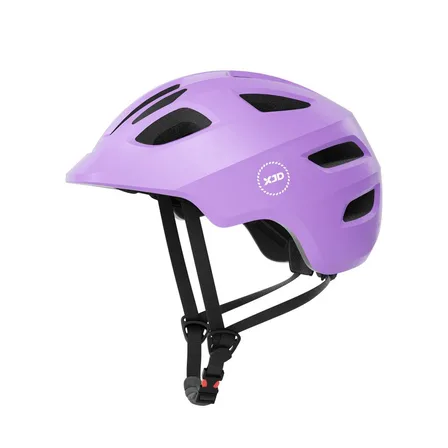
Girls' Bike Helmet from XJD – Purple
The XJD kids bike helmet in purple is a multi-sport helmet built for toddlers an…$59.99
$49 -

XJD Boys 12/14/16" Training Wheel Bike – Blue
The XJD Boys Bike in Blue is a training wheel bike for riders 71–122 cm tall—rou…$169
$199 -

Light Pink XJD Girls' Bicycle with Basket & Training Wheels
The Light Pink XJD Girls' Bicycle with Basket & Training Wheels is a retro-style…$109.99
$129.99