

How big a bike for a 10 year old boy
Most 10-year-old boys need a 20-inch or 24-inch bike. Measure his height first: choose 20 inches at 48–60 in (122–152 cm) or consider 24 inches at 54–64 in (137–163 cm), then confirm the fit in person.
Start with height, not his tenth birthday
Age places a child near a likely wheel size, but it does not settle the choice. The XBikes starting range for a 20-inch bike is ages 7–12 and a rider height of 48–60 in (122–152 cm). For a 24-inch bike, it is ages 10–14 and 54–64 in (137–163 cm).
This means many 10-year-olds fall into an overlap. A boy who is 52 in tall should start with a 20-inch bike, while one who is 58 in tall could compare both 20-inch and 24-inch models. At 60 in or above, a 26-inch option may enter the comparison because XBikes lists that size for youth and adults over 60 in (153 cm). These ranges are starting points, not proof of fit.
| Measured rider height | Wheel size to try | What to do |
|---|---|---|
| 48–53 in (122–136 cm) | 20 Inch | Begin with a 20-inch bike and check control. |
| 54–60 in (137–152 cm) | 20 Inch and 24 Inch | Try both; choose by stand-over, reach and confidence. |
| Over 60 in (153 cm) | 24 Inch and possibly 26 Inch | Compare actual fit rather than moving up automatically. |
Take the measurements that matter
Measure his standing height without shoes, with his back against a wall and eyes level. Then measure his inseam from the floor to the crotch while he stands naturally. Height identifies the sensible wheel-size range; inseam helps you judge whether he can stand over the particular frame comfortably.
Wheel diameter does not reveal a bike’s complete geometry. Two bikes with the same wheel label can differ in frame shape, saddle adjustment and reach. Because no geometry or stand-over dimensions are supplied for these catalog products, compare his measurements with the exact product information or manual before deciding.
Check the bike with the rider on it
Have him try the exact bicycle rather than relying on the size printed in its name. Do not buy an oversized bike merely to leave room for growth. During the fit check, confirm that he can:
- stand over the frame without being forced onto his toes;
- mount, start, steer and stop without struggling;
- reach the handlebar without stretching or locking his arms;
- operate each brake control comfortably and firmly;
- put a foot down promptly when balance is lost;
- look ahead and turn while remaining relaxed and in control.
A size is not appropriate just because he can sit on the saddle. If the larger option makes starts, turns or braking hesitant, choose the smaller suitable fit rather than expecting him to grow into it.
How the supplied bikes help with comparison
The catalog options below provide relevant 20-inch, 24-inch and 26-inch comparison points for a 10-year-old near those height bands. Their wheel labels help narrow the try-on list, but they do not replace the individual stand-over, reach, brake-control and confidence checks.
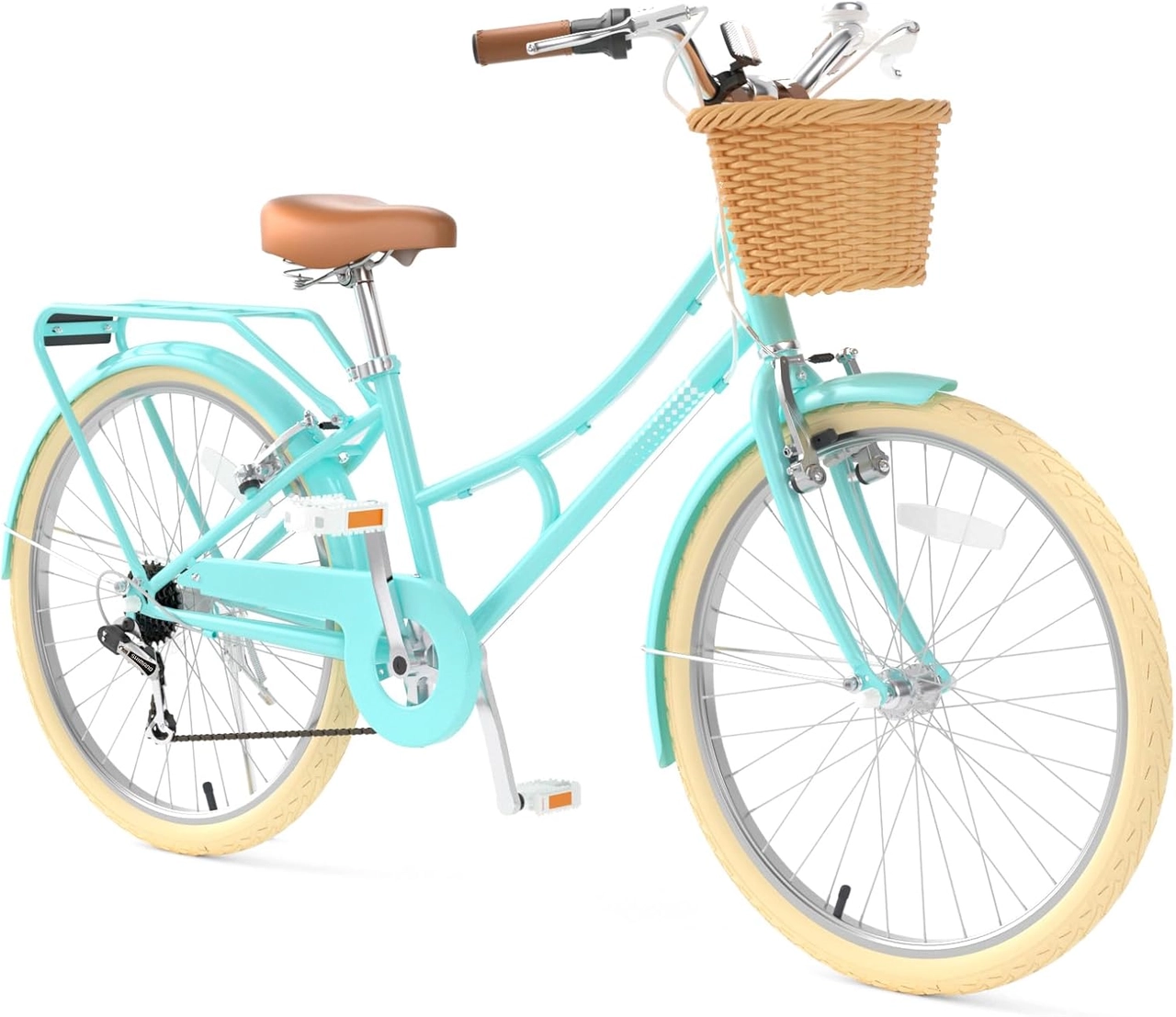 XJD 24-Inch Green Beach Cruiser Bike with U-Brake
Offers 24-inch choices relevant to riders measuring 54–64 inches, plus a 26-inch SKU for comparison only when the rider is over 60 inches. Final fit still depends on control and reach.
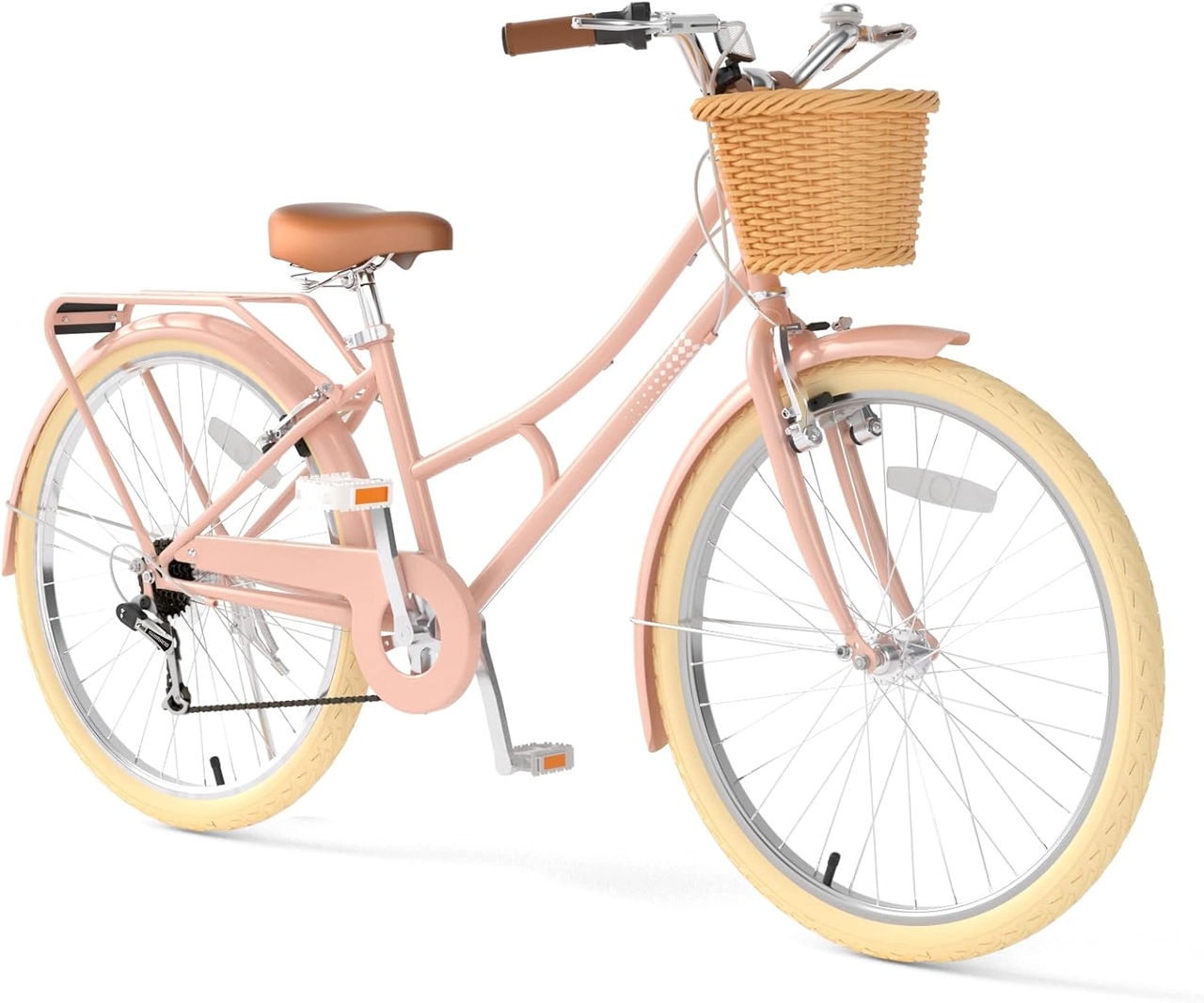 Pink XJD Beach Cruiser Bike, 24"/26", U-Brake
Its 24 Inch and 26 Inch labels provide comparison options for taller 10-year-olds. It is not relevant as a substitute when the child’s measurements and control indicate a 20-inch bike.
 XJD Kids Beach Cruiser Bicycle, Rear Rack & V-Brakes, Mint Green
The supplied 20 Inch, 24 Inch and 26 Inch SKUs cover the likely comparison range for a 10-year-old, making measured height and an individual fit check the deciding factors.
The XJD Kids Beach Cruiser Bicycle, Rear Rack & V-Brakes, Mint Green is the only supplied product offering all three comparison sizes: 20 Inch, 24 Inch and 26 Inch. That makes it relevant whether his measured height points first to 20 inches, places him in the 20/24 overlap, or puts him above 60 in and ready to compare larger options.
The XJD 24-Inch Green Beach Cruiser Bike with U-Brake has Green / 24 Inch, Pink / 24 Inch and Pink / 26 Inch SKU labels. Its 24-inch options are relevant when he measures 54–64 in; the 26-inch option should only enter the fit check when he is over 60 in.
The Pink XJD Beach Cruiser Bike, 24"/26", U-Brake likewise offers 24 Inch and 26 Inch labels. It is not a substitute for a 20-inch bike if his measurement and control point to that smaller size. Color wording in either title is a catalog description, not fit evidence.
Complete the safety and setup check
Use a bicycle helmet that fits properly, sits level and has its straps adjusted according to the helmet manufacturer’s instructions. Recheck fit whenever the helmet is adjusted or replaced.
Before riding, follow the exact bicycle manual for assembly, adjustment, maintenance, compatibility and any limits or torque requirements. Those details are not provided here. If the manual is unclear or the controls cannot be adjusted for comfortable use, ask a qualified bicycle mechanic to inspect and set up the bike.
Make the final size decision
For a 10-year-old boy, measure first and begin with 20 inches at 48–60 in or 24 inches at 54–64 in. In the overlap, try both. Buy only the size on which he can stand over, reach, brake, steer and stop confidently today—not the larger bike he may fit later.
Bikes for your next adventure
-

26-Inch XJD Beach Cruiser Bike for Girls – Purple, V-Brake
This XJD 26-inch purple beach cruiser is sized for big kids and teens — suggeste…$218.49
$229.99 -

Light Pink XJD Girls' Bicycle with Basket & Training Wheels
The Light Pink XJD Girls' Bicycle with Basket & Training Wheels is a retro-style…$109.99
$129.99 -
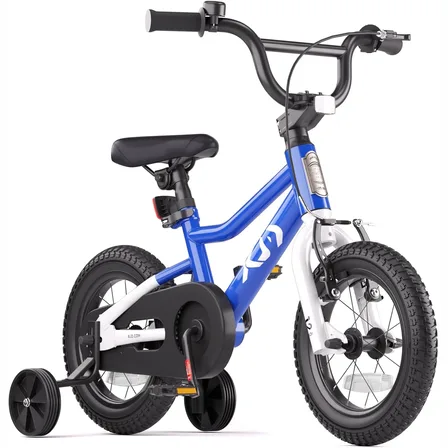
XJD Boys & Girls BMX Bike with Training Wheels, 12/14/16" – Blue
The XJD Boys & Girls BMX Bike in Blue is a first pedal bike for kids roughly age…$99.99
$119.99