

Which bike is best for 5 feet boy
For a boy who is exactly 5 feet (60 inches/152 cm) tall, compare a 20-inch bike with a 24-inch bike, then choose by fit and control—not age.
The direct size answer
Five feet sits at an overlap in the XBikes starting points. A 20-inch bike covers rider heights of 48–60 inches (122–152 cm), while a 24-inch bike covers 54–64 inches (137–163 cm). That means either wheel size can be a starting candidate at exactly 5 feet, but they are not interchangeable and height alone cannot settle the choice.
A 20-inch model may suit a rider who needs a more compact position or is still building confidence. A 24-inch model may suit a rider who can comfortably stand over its frame, reach its controls and handle it without stretching. Do not move up merely to leave room for growth.
Measure before comparing bikes
Confirm the rider’s height without shoes, then measure inseam. For the inseam measurement, have him stand upright with his feet slightly apart and measure from the floor to the crotch. The number is useful for checking stand-over clearance, but the actual frame shape still matters, so it cannot be converted into a guaranteed wheel size by itself.
Bring both measurements when shopping. Age is secondary: the XBikes starting point lists 20-inch bikes for ages 7–12 and 24-inch bikes for ages 10–14, but a boy’s proportions, skill and comfort can differ from those of another rider at the same age or height.
Compare the fit in this order
- Stand-over: With the rider standing over the bicycle and both feet planted, confirm that he is not pressed against the frame and can move away from it comfortably.
- Starting and stopping: He should be able to mount, start, stop and put a foot down without the bicycle feeling difficult to manage.
- Reach: With hands on the handlebar, look for relaxed arms and normal steering. Reject a fit that forces him to stretch, lock his elbows or lean excessively.
- Brake control: He must be able to reach and operate the brake controls reliably from his riding position. Check this on the actual bicycle rather than assuming a wheel size guarantees it.
- Current confidence: Ask him to make controlled turns and stops in a suitable supervised area. If the larger option makes those actions hesitant or awkward, it is not the right choice today.
This try-before-buying approach follows the verified HealthyChildren guidance: have the child try the bicycle, check stand-over and control, and avoid buying an oversized bike solely for future growth.
How the available 24-inch option helps
The supplied catalog includes one relevant 24-inch comparison: the XJD 24-Inch Green Beach Cruiser Bike with U-Brake, categorized as a beach cruiser bike. Its available labels include Green / 24 Inch and Pink / 24 Inch, plus Pink / 26 Inch. The 24-inch versions are relevant because 60 inches falls within the XBikes 24-inch starting range, but an individual fit check is still required. The 26-inch version is not the equivalent choice at exactly 60 inches because the XBikes starting point assigns 26-inch bikes to riders over 60 inches.
The catalog option below helps a parent inspect a relevant 24-inch beach-cruiser configuration and compare its real stand-over, reach and brake control with a suitable 20-inch bicycle. It does not prove that 24 inches will fit every 5-foot rider.
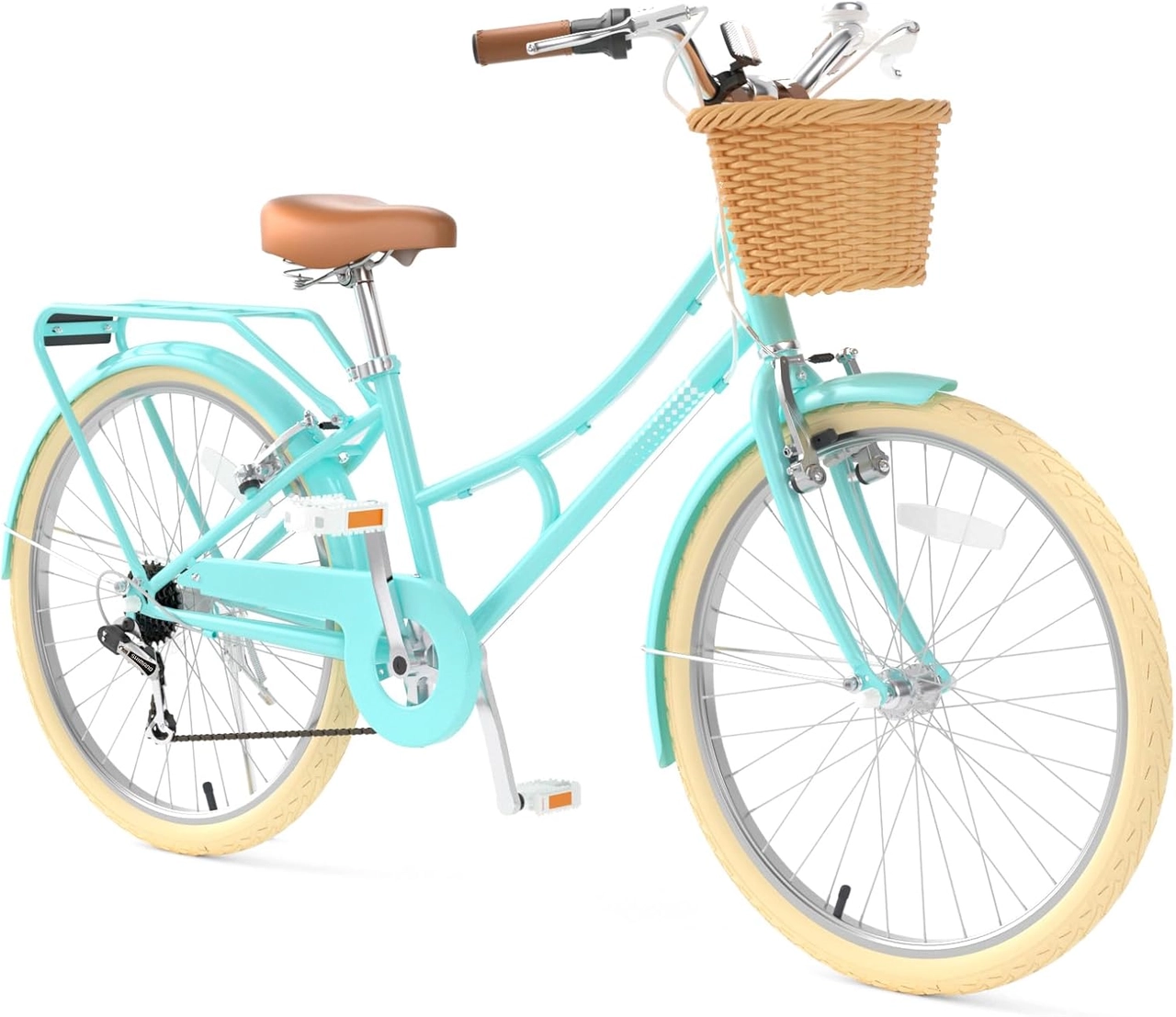
Color labels do not affect fit, and being a boy does not determine the correct wheel size. Select the label and style only after the rider can control the specific bicycle comfortably. For assembly, adjustments, maintenance, load limits, compatibility and torque requirements, follow the exact product manual or use a qualified bicycle mechanic.
Do not automatically choose 26 inches
At precisely 5 feet, the rider is 60 inches tall. The supplied 26-inch starting point is for youth and adults over 60 inches (153 cm), so a 26-inch label should not be treated as the default or as extra growing room. Even after a rider grows beyond that threshold, stand-over, reach, brake access and confidence must still be checked on the particular bicycle.
If the height measurement is close to 60 inches, remeasure rather than rounding up. Shoes, posture and an estimate written from memory can shift the result enough to place the rider on the wrong side of this boundary.
Helmet and final decision
A bicycle helmet must fit properly, sit level and have its straps used according to the helmet manufacturer’s instructions, consistent with U.S. Consumer Product Safety Commission guidance. A helmet does not correct an oversized or poorly controlled bicycle.
For a 5-foot boy, try a correctly adjusted 20-inch and 24-inch bicycle. Choose the one on which he has comfortable stand-over space, an easy reach, dependable brake control and confident starts, turns and stops. If neither passes every check, buy neither and have a qualified bicycle mechanic help identify a better-fitting frame.
Bikes for your next adventure
-
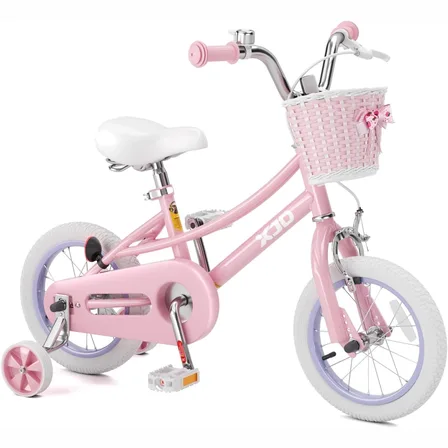
Pink 12/14/16/20" XJD Girls Bike with Training Wheels & Basket
The Pink XJD Girls Bike with Training Wheels & Basket is a first-bike pick f…$65.99
$75.99 -

XJD Boys 12/14/16" Training Wheel Bike – Blue
The XJD Boys Bike in Blue is a training wheel bike for riders 71–122 cm tall—rou…$169
$199 -

Black XJD Kids Bike for Boys – 12, 14 & 16 Inch Sizes
For a son between roughly 3 and 8 years old, the XJD Kids Bike in Black covers t…$169
$199