

Which bike is best for boys
The best bike for a boy is the smallest wheel size that fits his measured height and inseam while allowing comfortable reach, control and braking.
Choose the size from measurements, not age alone
Measure the rider’s height without shoes. Then measure inseam from the floor to the crotch while he stands straight with his feet slightly apart. Use the ranges below as starting points, then have him try the actual bicycle.
| Wheel size | Starting age | Rider height |
|---|---|---|
| 12 Inch | 3–4 | 34–40 in / 86–102 cm |
| 14 Inch | 3–6 | 37–45 in / 94–114 cm |
| 16 Inch | 4–7 | 40–48 in / 102–122 cm |
| 18 Inch | 5–9 | 43–52 in / 109–132 cm |
| 20 Inch | 7–12 | 48–60 in / 122–152 cm |
| 24 Inch | 10–14 | 54–64 in / 137–163 cm |
| 26 Inch | Youth and adults | Over 60 in / 153 cm |
Overlapping ranges are intentional: two wheel sizes may be plausible for the same height. Age can identify where to begin, but measured height, inseam, reach, brake control and present confidence should decide the fit.
Check the bicycle in person
Ask the child to stand over the bike and confirm that he is not crowded against the frame. Seated, he should reach the handlebar naturally without stretching, locking his elbows or leaning excessively forward. He also needs to steer through turns without his knees or body interfering with control.
Have him operate the brakes while holding the handlebar securely. He should be able to reach and use the controls without shifting his hands into an unstable position. Check that he can start, stop, turn and put a foot down with confidence.
Do not choose an oversized bicycle merely to leave room for growth. A bike that may fit later can still be difficult to control today. If either candidate feels awkward, compare the adjacent size rather than assuming the larger one is better value.
Which supplied bikes are relevant?
The supplied XBikes choices help when the fit check points to a 12, 14 or 16 Inch training-wheel bike. All three provide those same size labels, so the useful comparison begins with fit and then the listed color or catalog positioning—not unsupported assumptions about equipment or performance.
 XJD Boys 12/14/16" Training Wheel Bike – Blue
A blue boys’ training-wheel bike offered with 12 Inch, 14 Inch and 16 Inch SKU labels; relevant when an individual fit check confirms one of those sizes.
 Black XJD Kids Bike for Boys – 12, 14 & 16 Inch Sizes
A black boys’ training-wheel bike available in 12 Inch, 14 Inch and 16 Inch sizes, making it relevant for riders who fit one of those verified starting ranges.
 XJD Kids' Training Wheel Bike for Boys & Girls, 12/14/16 Inch – White
A white training-wheel bike cataloged for boys and girls, with 12 Inch, 14 Inch and 16 Inch SKU labels; consider it only after confirming individual fit.
- XJD Boys 12/14/16" Training Wheel Bike – Blue is a boys’ blue option offered with 12 Inch, 14 Inch and 16 Inch SKU labels.
- Black XJD Kids Bike for Boys – 12, 14 & 16 Inch Sizes is a black boys’ option with the same three available size labels.
- XJD Kids' Training Wheel Bike for Boys & Girls, 12/14/16 Inch – White is a white boys-and-girls option, also offered in those three sizes.
Nothing in the supplied facts establishes a difference in weight, materials, brakes, included equipment, load limit or certification. Those details therefore should not decide between them unless verified in the exact product listing or manual.
When these three bikes are not the answer
These catalog options are not relevant if the individual fit check calls for an 18, 20, 24 or 26 Inch bicycle. Their 12, 14 and 16 Inch versions are smaller-wheel comparison points, not substitutes for another required size. They are also training-wheel bikes, so a rider seeking a different bike category should compare products from that category.
If the child’s measurements sit inside an overlap—for example, where both 14 and 16 Inch are starting possibilities—try both. Prefer the one on which he demonstrates the more natural reach, reliable brake operation and confident low-speed control. Do not infer fit from the word “boys” or from color.
Complete the safety and setup checks
Choose a bicycle helmet that fits properly, sits level and has straps adjusted according to its manufacturer’s instructions. Recheck the fit each time it is worn; a helmet cannot help as intended when it is loose, tilted or incorrectly fastened.
Assembly, adjustments, maintenance, load limits, component compatibility and torque requirements are not provided in the catalog facts. Follow the exact bicycle manual for those matters, or ask a qualified bicycle mechanic to inspect and adjust the bike before riding.
Make the final choice
- Measure height and inseam.
- Use the XBikes ranges to shortlist a wheel size.
- Try the actual bicycle and compare stand-over space, reach, brake control and confidence.
- If 12, 14 or 16 Inch is confirmed and training wheels suit the rider, compare the three supplied products by the verified size label and preferred catalog color.
- If the fit requires another size or category, continue searching instead of sizing up or down to force one of these options to work.
The best boys’ bike is therefore the correctly fitting bike he can control now: measure first, test the shortlisted size, and buy only after reach and braking feel secure.
Bikes for your next adventure
-

Kids Bike Helmet by XJD for Boys & Girls – Black, Blue, Green, Pink, Purple
The XJD Kids Bike Helmet covers a wide 2-to-8-year age range thanks to two head-…$59.99
-
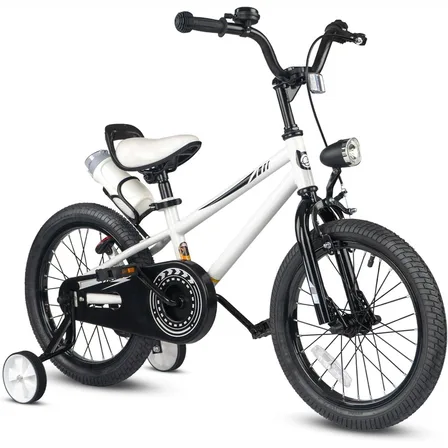
XJD Kids' Training Wheel Bike for Boys & Girls, 12/14/16 Inch – White
The XJD kids' training wheel bike in White is made for riders ages 3–8 (roughly …$169
$199 -
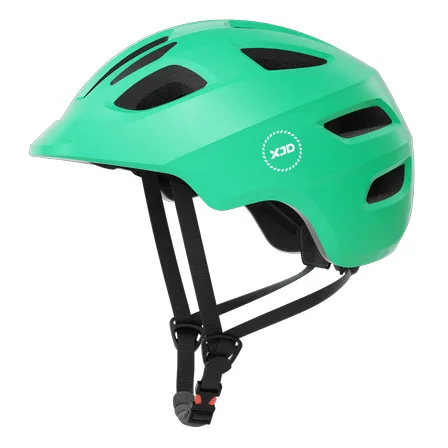
Green XJD Kids Bike Helmet for Boys & Girls
The Green XJD Kids Bike Helmet is a lightweight multi-sport helmet for toddlers …$59.99
$99