

A 21 in bike
A 21 in bike is not an XBikes standard kids’ wheel size, so do not choose it by age or by rounding from 20 inches. Confirm what “21 in” measures, then check the child’s height, inseam, reach, brake control and confidence on the actual bicycle.
First confirm what 21 inches means
A listing may use 21 inches for a wheel, a frame measurement or another dimension. Those measurements are not interchangeable. Read the size label and exact product manual, or ask the seller which part of the bicycle was measured. If it means a 21-inch wheel, treat that as its own size rather than assuming it fits like a 20-inch or 24-inch bike.
XBikes does not provide an age-and-height starting point for a 21-inch wheel. That means there is no verified 21-inch range to infer from the supplied standard. The useful comparison is between the neighboring established sizes, followed by an individual fit check.
Compare the neighboring XBikes sizes
| Wheel size | Age starting point | Rider-height starting point |
|---|---|---|
| 20 Inch | Ages 7–12 | 48–60 in / 122–152 cm |
| 24 Inch | Ages 10–14 | 54–64 in / 137–163 cm |
These ranges are starting points, not permission to interpolate a made-up range for a 21-inch bicycle. Measure the rider’s current height without shoes and use age only as secondary context. A child near either range still needs to try the exact bike because frame shape, saddle position, handlebar reach and controls affect fit.
What to measure before comparing bikes
Record the child’s standing height and inseam. For the inseam, have the child stand upright with feet slightly apart, then measure from the floor to the crotch. Use consistent units when comparing those measurements with a listing or manufacturer’s fit information.
Next, inspect the actual bicycle rather than relying on the number alone. The American Academy of Pediatrics advises having the child try the bike and avoiding an oversized bicycle bought for future growth. During the trial, check that the rider can:
- Stand over the bicycle with practical clearance rather than being pressed against the frame.
- Mount, start, steer and stop without the bike pulling them off balance.
- Reach the handlebars without stretching or locking their arms.
- Operate the brakes reliably with their hands in a controlled riding position.
- Maintain enough confidence to look ahead and respond to turns or obstacles.
If any of these checks fail, a nominally plausible age or height range does not make the bike a good fit.
How the supplied catalog option relates
The Purple XJD Girls' Bike with Doll Seat & Basket is listed in Training Wheel Bikes with 12 Inch, 14 Inch and 16 Inch SKU labels. Those sizes can help a parent compare how clearly wheel sizes are presented in the catalog, especially when checking whether “21 in” has been identified correctly. They are smaller, nearest available catalog comparison points only—not 21-inch substitutes and not evidence that a child seeking a 21-inch bike should use one.

Under the XBikes starting points, 12 Inch corresponds to ages 3–4 and heights 34–40 in / 86–102 cm; 14 Inch to ages 3–6 and 37–45 in / 94–114 cm; and 16 Inch to ages 4–7 and 40–48 in / 102–122 cm. Choose among these labels only when the rider’s measurements and hands-on fit support that smaller size. No supplied product has a 21-inch label.
Complete a practical fit check
- Verify that 21 inches refers specifically to wheel size.
- Compare the child’s measured height with the 20- and 24-inch starting points without averaging them.
- Have the child try the exact bike in a controlled setting.
- Check stand-over room, seated reach, steering control and access to the brakes.
- Ask the child to start, ride slowly, turn and stop while remaining composed.
Do not improvise assembly, adjustment limits or compatibility. Follow the exact product manual for setup and maintenance, and use a qualified bicycle mechanic when the instructions are missing, unclear or beyond your experience.
Helmet and final decision
A bicycle helmet must fit properly, sit level and have its straps adjusted according to the helmet manufacturer’s instructions, as advised by the U.S. Consumer Product Safety Commission. A helmet cannot correct a bicycle that is too large or difficult to control.
For a 21 in bike, proceed only after the seller identifies the measurement and the child passes the fit-and-control check on that exact bicycle. If “21 in” remains ambiguous, or brake reach, stand-over position or confidence is poor, do not buy by the label; compare a clearly marked 20 Inch or 24 Inch model using the verified ranges above.
Bikes for your next adventure
-
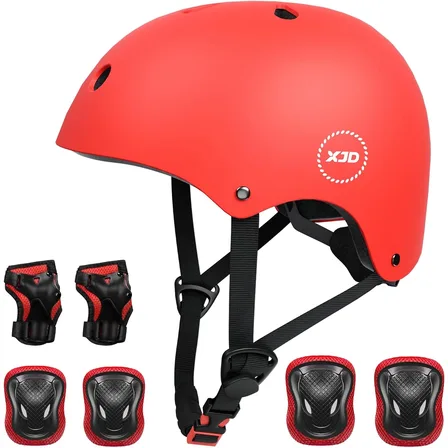
Red XJD Helmet & Protective Gear Set for Kids, Medium
If your child rides a bike, scooter, or skateboard, this red XJD helmet and prot…$25.49
$29.99 -
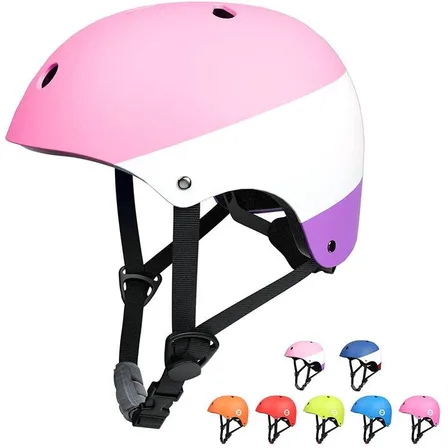
XJD Kids Bike Helmet for Boys & Girls, B White / Pink White
The XJD Kids Bike Helmet covers a wide age range — suggested for ages 2 through …$59.99
-
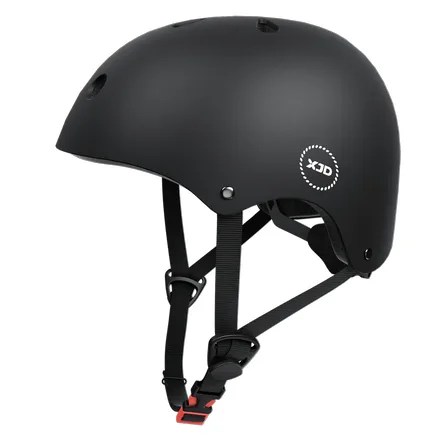
7-in-1 Kids Helmet & Protective Gear Set from XJD – Black or Blue
If you're outfitting one kid (or a couple of siblings) for biking, scootering, o…$59.99