

BMX Standing Pedaling: A Beginner Control Drill
BMX standing pedaling introduces a different balance task from ordinary seated riding. The rider supports more weight through the pedals while keeping the handlebar and front wheel controlled. Begin only after steady seated starts, turns and stops are reliable. Choose level, dry, traffic-free ground and treat the first attempt as a short control exercise, not a sprint, jump or trick.
Prepare for BMX standing pedaling on level ground
Inspect pedals, cranks, chain, steering and brakes before practice. The rider needs footwear that stays securely on the pedals, tied laces and a correctly fitted helmet. Check comfortable access to the brake controls while seated. If anything is loose, the chain skips or a grip moves, fix the bicycle first. Learning balance should not double as a test of questionable equipment.
Start with a steady seated roll
Use an open straight line with space to stop. Ask the child to pedal smoothly at a manageable pace, keeping their gaze ahead. Explain that they can stay seated if the movement feels uncertain. Do not hold the moving handlebar, pull the bicycle forward or surprise the rider with a push; they need a predictable start and their own control.

Rise briefly without pulling the bike sideways
Once the seated roll is steady, the rider can make a small controlled rise, with hands on the grips and feet remaining secure. Keep the attempt brief and return to the saddle before fatigue affects direction. Stop if the front wheel wanders, a foot slips or braking becomes awkward. A qualified cycling instructor can help if the movement remains difficult.
Separate this skill from tricks and unsuitable bikes
A beginner drill does not require hopping, racing, pegs or steep slopes. Do not introduce it on a support-wheel bicycle merely because the frame is labeled BMX. Training-wheel setups and first-pedal bikes serve a different learning stage. Repeat short predictable efforts on an appropriate bicycle, allowing rest, instead of extending the distance to prove progress.
Model details relevant to this task
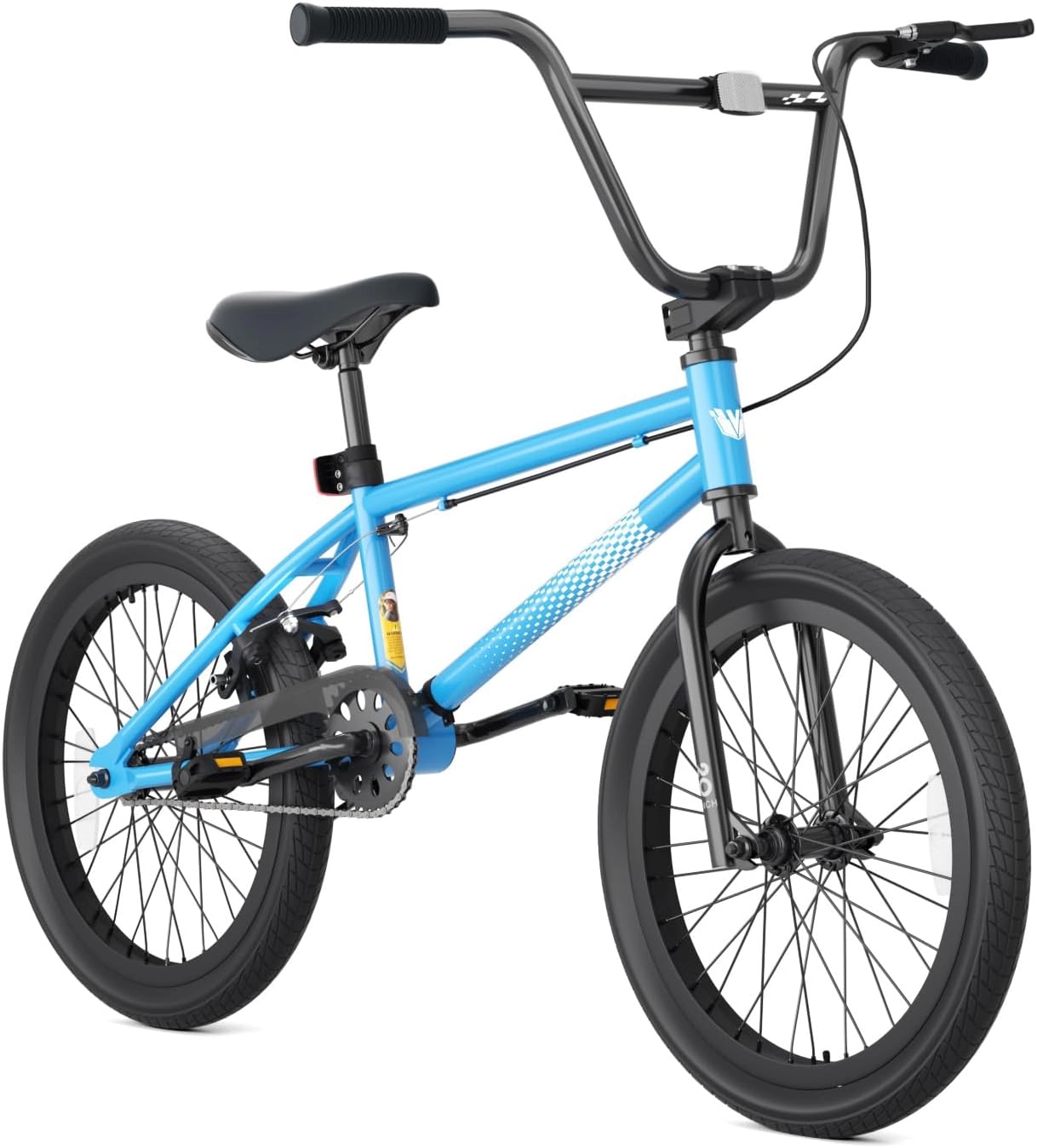
The blue 20-inch XJD freestyle BMX is listed without pegs and with a single-speed drivetrain. The linked pink training-wheel bicycle is a contrasting first-rider option: it should not be treated as the same practice platform. Select for current fit and independent control before introducing an advanced posture. The linked model details are available for Blue XJD Freestyle BMX Bike, 20-Inch – No Pegs, Pink 12/14/16/20" XJD Girls Bike with Training Wheels & Basket.
Quick checklist
- Confirm reliable seated riding and braking.
- Use dry flat ground with clear stopping space.
- Check pedal grip and secure footwear.
- Keep the first rise brief and controlled.
- Stop for wandering steering or a slipping foot.
Common questions
Are pegs needed to pedal standing up?
No. Standing pedaling uses the normal pedals. Do not move feet onto pegs during this exercise.
Should standing pedaling be taught on a first bike?
Establish ordinary starts, balance, turns and stops first. The rider's present control matters more than the bike's appearance.
Related collections
The freestyle and kids BMX bikes and children's bicycle options provide further model details. Check the exact selected configuration when planning fit, handling and care.
Before the next outing
Keep BMX standing pedaling short and predictable. Comfortable pedal contact, stable direction and the ability to return to the saddle matter more than speed or the length of the effort.
Bikes for your next adventure
-
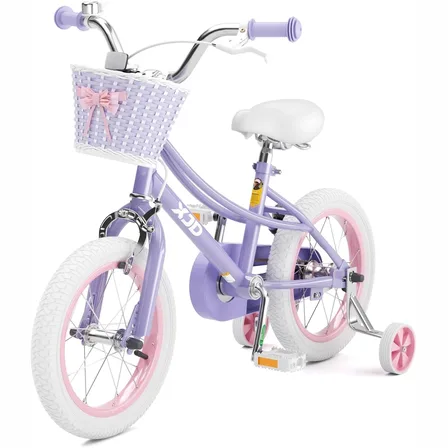
Girls' Training Wheel Bike by XJD with Basket – Purple
If you're shopping for a first bike for a girl roughly 3 to 12 years old (91–152…$75.99
-
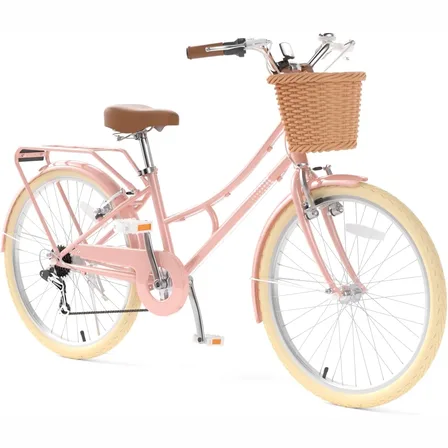
XJD Pink Beach Cruiser for Girls – Rear Rack & V-Brake
The XJD Pink Beach Cruiser for girls is the step-up bike for riders who've outgr…$179.99
$209.99 -
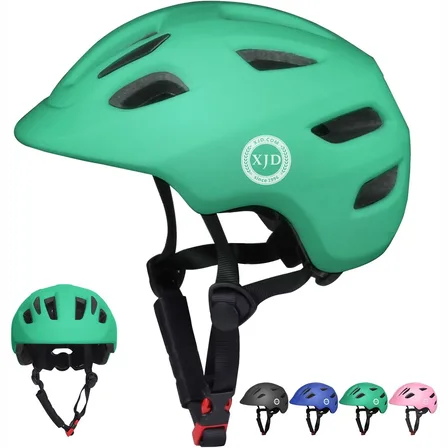
Green XJD Toddler Bike Helmet with Adjustable Fit, XS (46–51 cm)
The XJD toddler bike helmet in Green is built for the youngest riders — the size…$20.39
$23.99