

Can a 12 year old ride a 20 inch bike
Yes, a 12-year-old can ride a 20-inch bike if it fits their body and skills. Measure the rider rather than deciding by age alone: 20-inch bikes are an XBikes starting point for riders 48–60 in (122–152 cm) tall, but stand-over clearance, reach, brake control and confidence must all be checked on the actual bicycle.
Start with the rider’s height
Have the child stand straight without shoes and measure from the floor to the top of the head. Compare that measurement with the XBikes starting points closest to this decision:
| Wheel size | Starting age range | Rider height |
|---|---|---|
| 20 Inch | 7–12 | 48–60 in / 122–152 cm |
| 24 Inch | 10–14 | 54–64 in / 137–163 cm |
| 26 Inch | Youth and adults | Over 60 in / 153 cm |
A 12-year-old within the 20-inch height range may fit a 20-inch bike. If the rider is 54–60 in (137–152 cm), both the 20-inch and 24-inch starting ranges overlap, so age and height alone do not settle the choice. The child should try each realistic option. A rider over 60 in (153 cm) has moved beyond the 20-inch starting range and should begin comparison with a 26-inch bicycle.
Measure inseam, then check stand-over
Measure inseam with the child standing in socks or bare feet, feet slightly apart, and a straight-edged book held level between the legs to represent the saddle. Measure from the floor to the book’s top edge. Do not convert that number into a wheel size using an unsupplied formula; frame shapes differ even when wheel labels match.
Use the inseam measurement while the child stands over the actual bike. They need usable clearance rather than contact with the frame. Then set up the bicycle according to its exact manual. If correct adjustment or assembly is uncertain, use a qualified bicycle mechanic. Never choose an oversized bike solely to leave room for growth.
Make the child perform a control check
A promising height match is not enough. With an adult stabilizing the bicycle in a clear, traffic-free area, ask the child to demonstrate that they can:
- mount and dismount without struggling or catching on the frame;
- sit in a balanced position and steer without stretching excessively;
- turn the handlebar through ordinary riding movements while remaining in control;
- reach and operate the brakes comfortably and reliably;
- start, stop and place a foot down without panic or loss of balance.
If reach is strained, braking is awkward or stopping feels uncontrolled, the 20-inch bicycle does not fit that rider, even if the age label appears suitable. Current confidence matters too: a physically fitting bicycle can still be inappropriate when its handling overwhelms the child.
How the supplied 20-inch options are relevant
The two catalog bicycles help because each is a training-wheel model offered with a specific 20 Inch SKU label, alongside 12, 14 and 16 Inch labels. That makes their 20-inch versions directly relevant to the title, but the catalog facts do not establish frame dimensions, brake type, load limit or suitability for one particular child.
 Girls' Training Wheel Bike by XJD, 12–20 Inch Wheels – Blue
The 20 Inch version is directly relevant for a fit check. This blue XJD training-wheel bike is also offered with 12 Inch, 14 Inch and 16 Inch SKU labels.
 XJD Girls' Bike with Training Wheels, 12/14/16/20 Inch – Purple
This purple XJD training-wheel bike includes a 20 Inch SKU label, making that version relevant to the question. Its other supplied labels are 12 Inch, 14 Inch and 16 Inch.
Girls' Training Wheel Bike by XJD, 12–20 Inch Wheels – Blue is listed in the Training Wheel Bikes category and is available in 12 Inch, 14 Inch, 16 Inch and 20 Inch labels. For this question, compare only its 20 Inch version with the rider’s measurements and in-person control check.
XJD Girls' Bike with Training Wheels, 12/14/16/20 Inch – Purple is also a Training Wheel Bikes model with the same four supplied wheel-size labels. Its 20 Inch option is relevant, but its fit cannot be inferred from the name, color or category.
Training wheels may matter to a child who still needs that type of support, but their presence does not correct poor frame fit, excessive reach or inaccessible brakes. For training-wheel setup, compatibility, assembly, maintenance, load limits and torque, follow the manual for the exact product or consult a qualified bicycle mechanic.
Prepare for the first ride
Use a bicycle helmet that fits properly, sits level and has its straps adjusted according to the helmet manufacturer’s instructions. Recheck the bicycle’s setup against its product manual before riding. Begin in a flat, open area away from vehicles and other hazards so the child can show controlled starts, turns and stops.
Make the decision this way: choose a 20-inch bike for the 12-year-old only when their measured height falls within the 48–60 in (122–152 cm) starting range and the actual bicycle passes the inseam, stand-over, reach, braking and confidence checks. If any check fails—or the rider has outgrown that height range—compare the next indicated size instead of buying the 20-inch bike for convenience.
Bikes for your next adventure
-
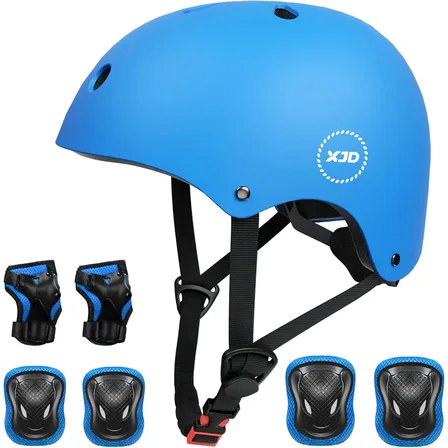
Blue XJD Helmet & Protective Gear Set for Kids, Sizes S/M
The Blue XJD Helmet & Protective Gear Set is made for kids roughly 3 to 8 years …$23.79
-
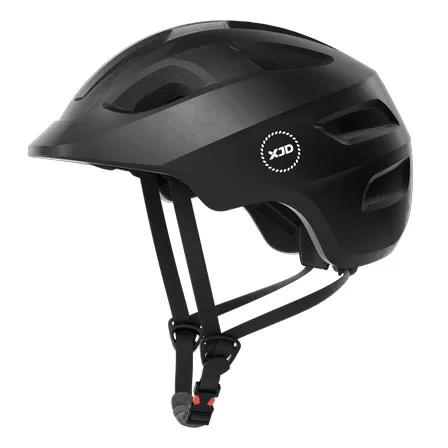
Kids Multi-Sport Bike Helmet by XJD – Black
7 reviews
The XJD Kids Multi-Sport Bike Helmet in Black is a lightweight, adjustable helme…$59.99
$49 -
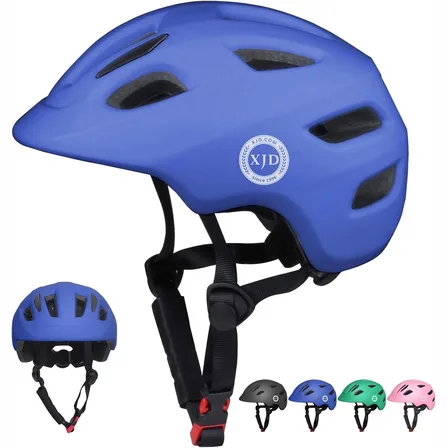
Blue XJD Kids' Bike Helmet, Adjustable Fit – Sizes XS & S
The Blue XJD Kids' Bike Helmet is a lightweight, adjustable helmet for toddlers …$20.39