

Can a 10 year old ride a 20 inch bike
Yes, a 10-year-old can ride a 20-inch bike if it fits their body and skills. Measure height and inseam, then check stand-over, reach and brake control.
Start with measured height, not age
XBikes lists a 20-inch bike as a starting point for ages 7–12 and rider heights of 48–60 inches (122–152 cm). A 10-year-old falls within that age band, but age alone cannot confirm fit. Children of the same age can differ greatly in height, proportions, coordination and confidence.
Measure the child without shoes, standing straight against a wall. Record their total height. For inseam, have them stand with feet slightly apart and measure from the floor to the crotch. The inseam does not select a wheel size by itself; use it to assess clearance when the child tries the actual bicycle.
Compare the relevant wheel-size ranges
| Wheel size | XBikes starting age | Rider height | Meaning for a 10-year-old |
|---|---|---|---|
| 20 Inch | 7–12 | 48–60 in / 122–152 cm | A reasonable starting point when height and the individual fit checks agree. |
| 24 Inch | 10–14 | 54–64 in / 137–163 cm | Also worth trying if the child is at least 54 inches tall, but it must not be chosen merely for growth. |
| 26 Inch | Youth and adults | Over 60 in / 153 cm | A starting point only after the rider exceeds 60 inches and can control the bicycle. |
The overlap between the 20-inch and 24-inch ranges is deliberate: a child between 54 and 60 inches may need to try both. Frame shape, body proportions and confidence can make one easier to control. A larger wheel label does not automatically mean a better or longer-lasting choice.
Have the child perform a real fit check
The American Academy of Pediatrics advises having the child try the bicycle rather than buying an oversized model for future growth. With an adult holding the bicycle steady, check the following:
- Stand-over: The child should be able to straddle the frame with practical clearance and without being forced onto tiptoes.
- Starting and stopping: They should mount, begin riding and stop without the bicycle pulling them off balance.
- Reach: They should hold the handlebar comfortably without locking their elbows, stretching their torso or losing steering control.
- Brake access: Their hands must reach and operate the brake controls confidently while they maintain a secure grip.
- Overall control: Ask for a slow turn, a straight stop and a restart in a traffic-free area. Hesitation caused by the bicycle feeling tall, long or heavy to manage is evidence against that fit.
If the child cannot complete these checks on a 20-inch bike, do not rely on the age range to justify it. Compare another properly sized bicycle and repeat the same checks.
How the supplied XBikes option helps
The XJD Pink Beach Cruiser for Girls – Rear Rack & V-Brake is offered with 20 Inch, 24 Inch and 26 Inch SKU labels. That makes its 20-inch option directly relevant to the question, while the 24-inch option provides a useful adjacent-size comparison for a taller 10-year-old. The 26-inch option is relevant only when the rider is over 60 inches (153 cm) and passes an individual fit check. These labels identify wheel-size choices, not proof that every frame configuration will fit the child.
This particular catalog option helps because a parent can compare the requested 20-inch size with the next listed sizes while keeping the model title consistent. Select the exact SKU deliberately, then verify the physical bicycle rather than assuming the product name or wheel label guarantees fit.

The supplied facts identify a rear rack and V-brake, but they do not provide rack load limits, adjustment instructions, assembly details or compatibility specifications. Follow the exact product manual for those matters, or ask a qualified bicycle mechanic to inspect and adjust the bicycle. Do not improvise settings or load limits.
Complete the safety check before riding
A correctly sized bicycle still needs a suitable riding environment and working controls. Follow the product manual for assembly, inspection and maintenance. If any part is loose, damaged, unfamiliar or difficult to adjust, stop and use a qualified bicycle mechanic.
The U.S. Consumer Product Safety Commission says a bicycle helmet must fit properly, sit level and have its straps used according to the helmet manufacturer’s instructions. Check the helmet on the child each time rather than assuming a previous adjustment remains correct.
Make the decision
Choose the 20-inch bike for a 10-year-old only when the child measures within 48–60 inches (122–152 cm) and demonstrates comfortable stand-over clearance, reach, braking, turning, stopping and starting on that exact bicycle. If the child is 54–60 inches, compare a 24-inch bike in person, but reject either size that reduces control. Measure first, try both when appropriate, and buy for the child’s fit now—not anticipated growth.
Bikes for your next adventure
-
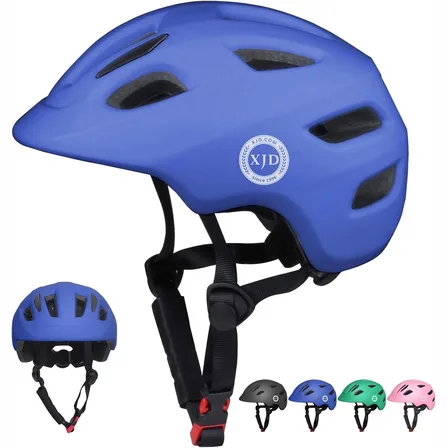
Blue XJD Kids' Bike Helmet, Adjustable Fit – Sizes XS & S
The Blue XJD Kids' Bike Helmet is a lightweight, adjustable helmet for toddlers …$20.39
-
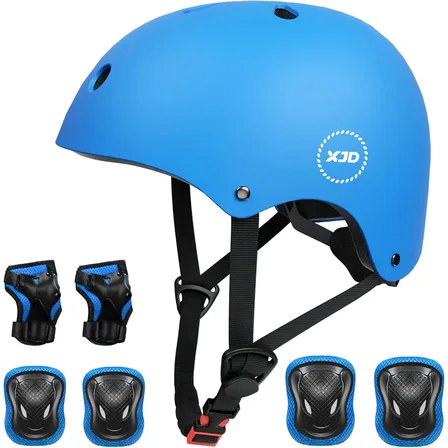
Blue XJD Helmet & Protective Gear Set for Kids, Sizes S/M
The Blue XJD Helmet & Protective Gear Set is made for kids roughly 3 to 8 years …$23.79
-
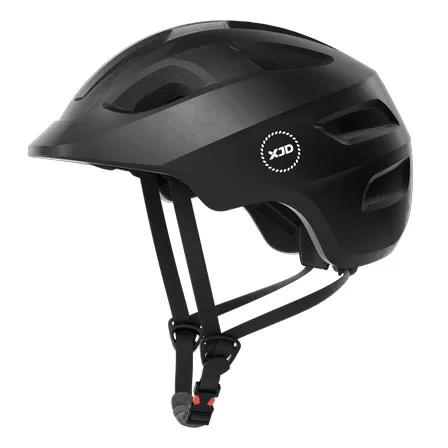
Kids Multi-Sport Bike Helmet by XJD – Black
7 reviews
The XJD Kids Multi-Sport Bike Helmet in Black is a lightweight, adjustable helme…$59.99
$49