

How do kid trailers bike work
Kid bike trailers work by carrying one or more children in a wheeled cabin pulled behind an adult bicycle through a hitch and connecting arm.
How the trailer follows the bicycle
The hitch connects the trailer arm to the towing bicycle, allowing the trailer to pivot as the bicycle turns. The trailer has its own wheels, while the adult rider supplies the steering and braking for the combined bicycle-and-trailer setup. The child rides as a passenger rather than balancing or pedaling.
A trailer changes how the adult bicycle handles. The complete setup is longer, wider and slower to accelerate or stop. Allow extra room for corners, avoid clipping curbs or posts with the trailer wheels, and begin with gentle practice away from traffic. Follow the exact trailer and bicycle manuals for attachment, passenger seating, load limits, permitted ages, maintenance and any required torque. If either manual is unclear, use a qualified bicycle mechanic.
What to measure and verify
Do not choose a trailer from a bicycle wheel-size chart. Instead, compare the child and towing bicycle with the trailer manufacturer’s stated limits and compatibility requirements. Before buying or riding, verify:
- Child fit: Measure the child’s current height and seated headroom. Confirm that the harness can be adjusted as the manual specifies and that the child fits without crowding the cabin.
- Passenger and cargo limits: Count every passenger and anything carried. Use only the manufacturer’s stated capacity; do not estimate a safe load.
- Bicycle compatibility: Identify the exact towing bicycle, wheel and axle or hitch-mounting arrangement. A hitch that looks close is not proof of compatibility.
- Route clearance: Compare the trailer’s full width and length with gates, paths, turns and storage spaces on the intended route.
- Condition and assembly: Check the hitch, secondary retention device, frame, wheels, tires, harness and enclosure according to the manual before each ride.
Do not improvise adapters, attachment points or assembly steps. Trailer-specific limits and procedures are not supplied here, so the exact product manual must settle those questions.
Fit and safety checks before the first ride
Seat and secure the child exactly as the trailer instructions require. Keep loose clothing and carried items away from wheels and moving parts. A properly fitting bicycle helmet should sit level, with its straps adjusted according to the helmet manufacturer’s instructions. Confirm any helmet requirements for passengers in the trailer manual and applicable local rules.
Test the empty trailer first, then repeat the handling check with the permitted load in a low-risk area. Make sure the hitch remains secure, the trailer tracks normally through turns, and the adult can start, steer and stop with full control. Stop if there is unusual movement, interference or uncertainty about the connection.
How trailers differ from children’s bicycles
A trailer is for a passenger; a children’s bicycle is for a child who is ready to steer, pedal and control a bicycle. The supplied XBikes products are therefore not trailer substitutes or confirmed towing accessories. They are relevant only when the real decision is whether the child should begin riding independently instead of traveling as a trailer passenger.
The Black XJD Kids' BMX Bicycle with Training Wheels is listed in 12 Inch, 14 Inch and 16 Inch options. The Pink Girls' 12/14/16" Bike by XJD – Basket & Doll Seat is also listed in 12 Inch, 14 Inch and 16 Inch options. These particular catalog choices help answer the title by showing the separate, independent-riding alternative in the available sizes; the supplied facts do not establish trailer compatibility.
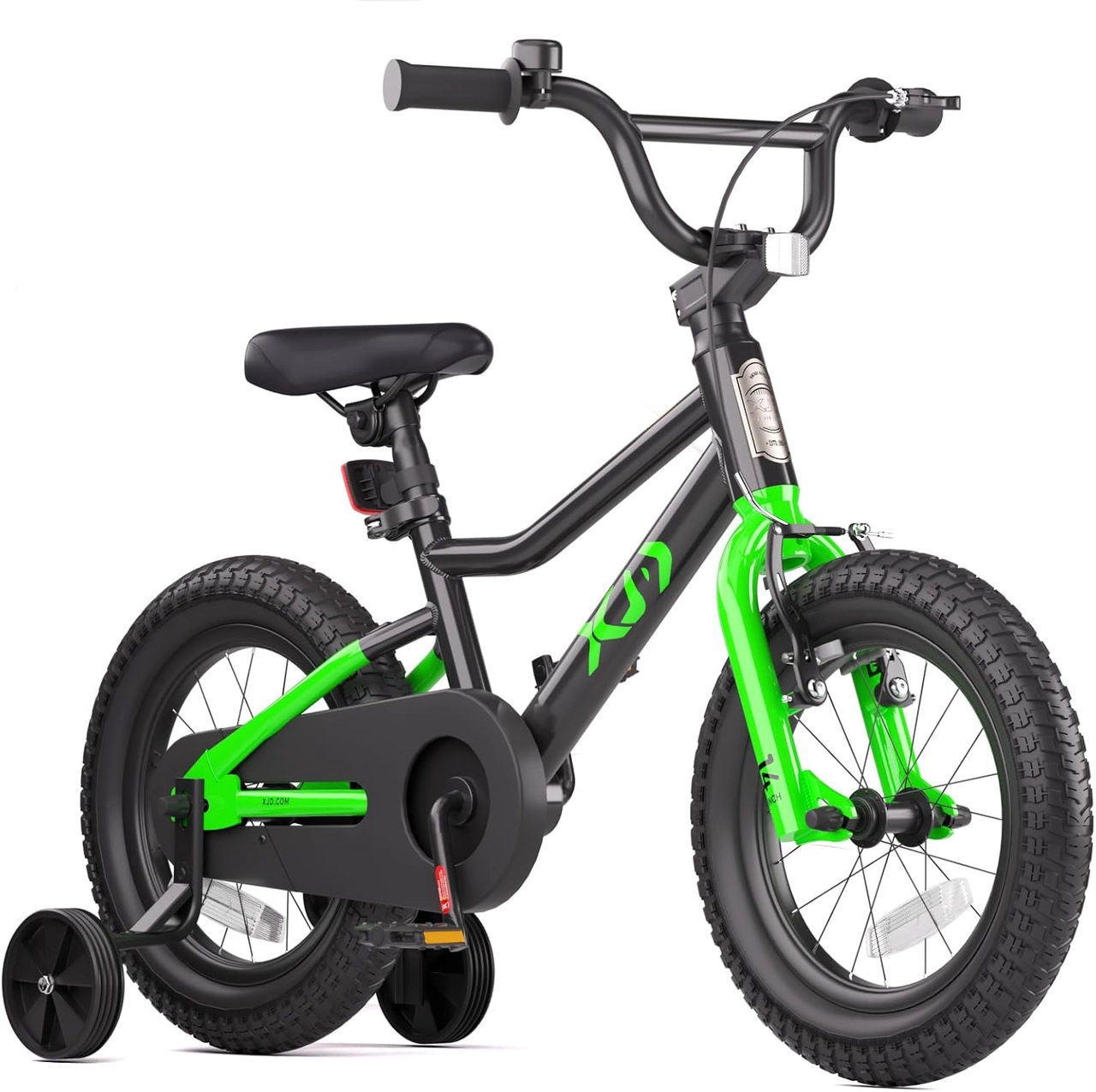 Black XJD Kids' BMX Bicycle with Training Wheels
An independent-riding alternative, not a trailer: this Kids' BMX Bike with training wheels is offered in 12 Inch, 14 Inch and 16 Inch sizes. The supplied facts do not establish towing or trailer compatibility.
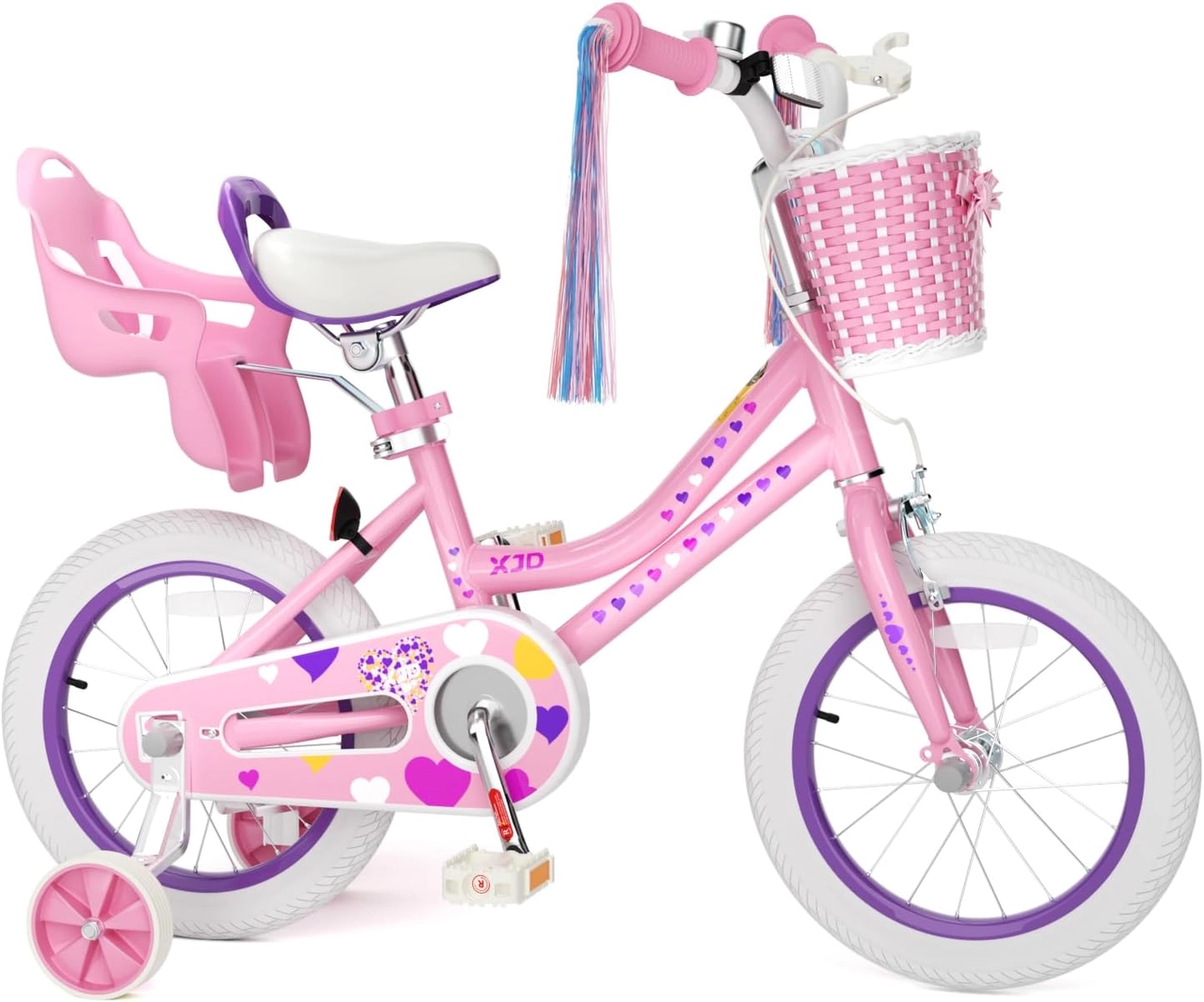 Pink Girls' 12/14/16" Bike by XJD – Basket & Doll Seat
This Training Wheel Bike is an independent-riding option in 12 Inch, 14 Inch and 16 Inch sizes; its title also states a basket and doll seat. It is not a trailer or a confirmed towing accessory.
Comparing the available bicycle sizes
| Wheel size | XBikes starting point | What to check next |
|---|---|---|
| 12 Inch | Ages 3–4; 34–40 in / 86–102 cm | Current height, inseam, reach, brake control and confidence |
| 14 Inch | Ages 3–6; 37–45 in / 94–114 cm | Current height, inseam, reach, brake control and confidence |
| 16 Inch | Ages 4–7; 40–48 in / 102–122 cm | Current height, inseam, reach, brake control and confidence |
These ranges are starting points, not guarantees. Measure the rider rather than relying on age alone, and have the child try the bicycle. Check stand-over clearance, comfortable reach, brake access and the ability to control the bicycle confidently. Do not buy an oversized bicycle merely to allow room for growth.
Because both supplied bicycles have the same listed wheel-size options, size availability does not distinguish them. Their catalog distinctions are the stated category and features: the black XJD model is a Kids' BMX Bike with training wheels, while the pink XJD model is a Training Wheel Bike whose title states a basket and doll seat. No supplied fact establishes which fits a particular child.
Make the next decision
If the child will remain a passenger, record the child’s measurements, the intended load and the towing bicycle’s exact hitch area, then compare them with a specific trailer manual. If the child is ready to ride independently, try the relevant 12-, 14- or 16-inch bicycle in person and reject any option that compromises stand-over, reach, braking or confident control.
Bikes for your next adventure
-

Kids Bike Helmet by XJD for Girls – Pink
The XJD Kids Bike Helmet in Pink is a lightweight multi-sport helmet for girls r…$59.99
$99 -

Blue XJD Kids Bike Helmet for Boys & Girls
The Blue XJD Kids Bike Helmet is a lightweight, adjustable multi-sport helmet fo…$59.99
$99 -
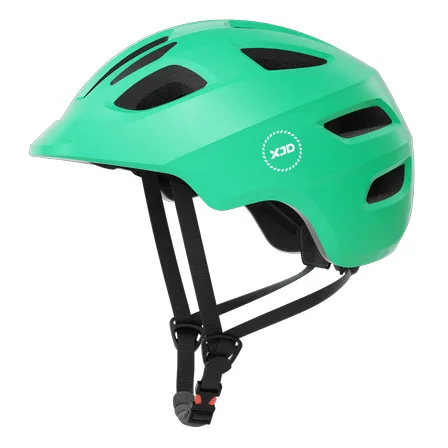
Green XJD Kids Bike Helmet for Boys & Girls
The Green XJD Kids Bike Helmet is a lightweight multi-sport helmet for toddlers …$59.99
$99