

How far can a 6 year old bike
A 6-year-old has no universal cycling-distance limit. The right distance is one they can ride with steady control and still return before fatigue affects steering, braking or attention.
Judge the ride, not the birthday
Age alone cannot predict how far a child can bike. Distance changes with current confidence, riding experience, bicycle fit, terrain, weather, traffic complexity, stops and whether the route includes a safe shortcut home.
For a new rider, choose a short, familiar loop near home instead of committing to a distant destination. Extend later rides only when the child finishes comfortably, remains attentive and wants to continue. A child who can ride farther on a smooth, quiet path may struggle sooner on hills, loose ground or a route requiring frequent braking.
Measure bicycle fit before planning distance
Measure the child’s standing height and inseam, then have them try the actual bicycle. Wheel-size guidance is only a starting point:
| Wheel size | Starting age | Rider height |
|---|---|---|
| 12 Inch | 3–4 | 34–40 in / 86–102 cm |
| 14 Inch | 3–6 | 37–45 in / 94–114 cm |
| 16 Inch | 4–7 | 40–48 in / 102–122 cm |
| 18 Inch | 5–9 | 43–52 in / 109–132 cm |
| 20 Inch | 7–12 | 48–60 in / 122–152 cm |
Many 6-year-olds therefore fall within overlapping 14-, 16- or 18-inch starting ranges. Height narrows the comparison, but it does not confirm fit. Check that the child can stand over the bicycle appropriately, reach the controls without stretching, steer predictably and operate the brakes confidently. Do not choose an oversized bicycle merely to leave room for growth.
Compare effort and control on a trial ride
Before attempting a family outing, use a quiet, controlled riding area. Watch the child start, ride straight, turn both ways, slow down, stop where asked and look around without veering. Confirm that mounting and dismounting do not require an awkward jump or adult rescue.
Then assess effort. A manageable distance leaves enough energy for the return journey. Turn back when pedalling becomes laboured, posture collapses, steering grows erratic, braking becomes late, complaints increase or attention drifts. Do not treat reaching the halfway point as proof that the child can safely complete the same distance back.
Use the catalog choices as fit comparisons
The supplied options help compare 12-, 14- and 16-inch BMX bicycles with training wheels. They are relevant when the child’s measurements, reach, brake control and confidence support one of those sizes; they are not substitutes for an 18-inch bicycle if an individual fit check indicates 18 Inch.
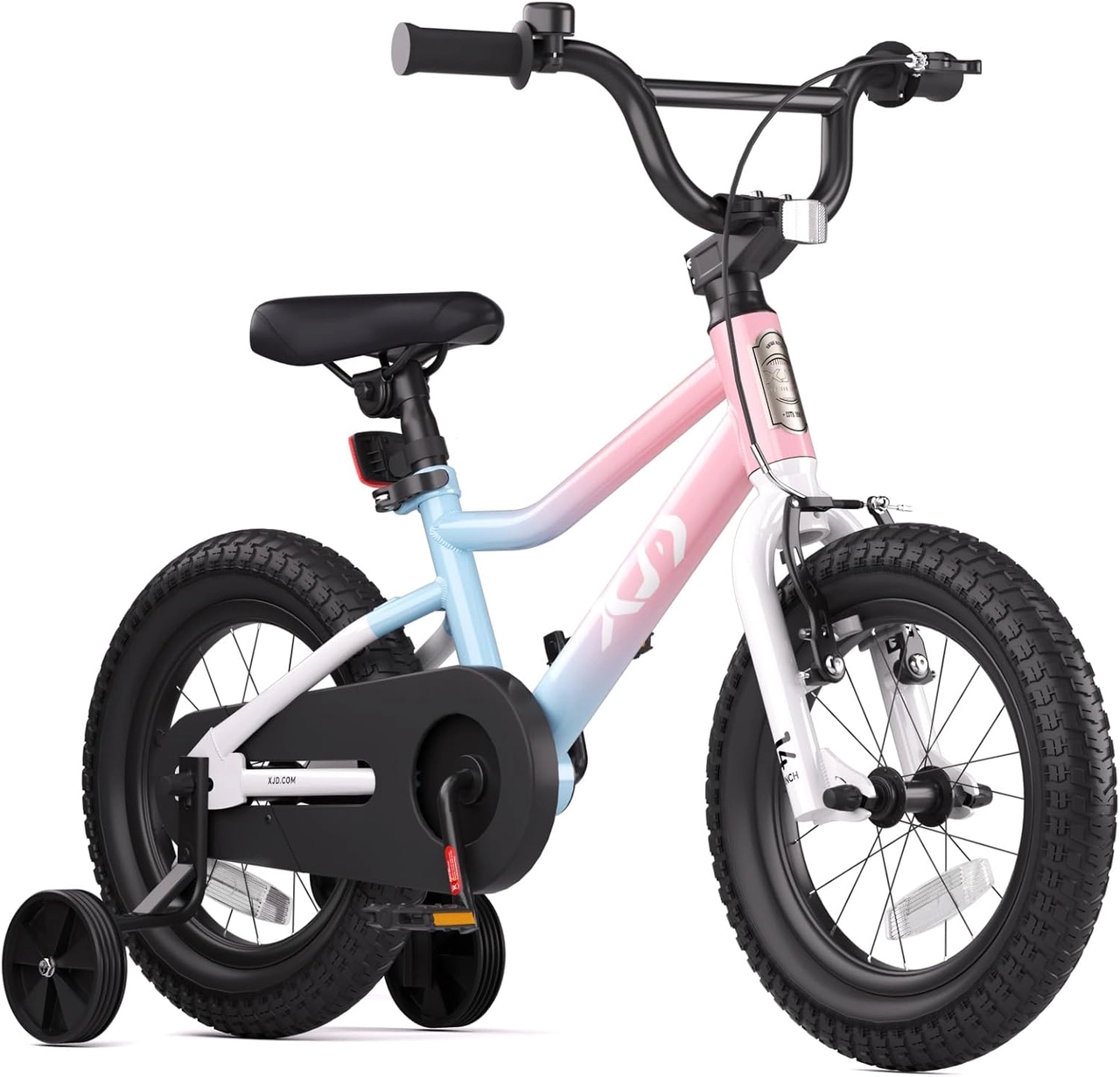 XJD Girls BMX Bike 12/14/16 Inch with Training Wheels – Pink Blue
Available in 12, 14 and 16 Inch labels with training wheels. Its 14- and 16-inch choices are relevant comparison points for a 6-year-old only after measuring height and checking individual control and fit.
 XJD Boys & Girls BMX Bike with Training Wheels, 12/14/16" – Blue
This blue kids’ BMX bicycle is supplied in 12, 14 and 16 Inch labels with training wheels. Compare its relevant size label against measured height, then confirm reach, braking and confidence on the actual bicycle.
XJD Girls BMX Bike 12/14/16 Inch with Training Wheels – Pink Blue is listed in 12 Inch, 14 Inch and 16 Inch choices. XJD Boys & Girls BMX Bike with Training Wheels, 12/14/16" – Blue offers the same three supplied wheel-size labels. Based on the available catalog facts, the meaningful comparison here is wheel size and title-described color; no claim can be made about weight, materials, brake type or riding range.
For a 6-year-old measuring 40–48 in / 102–122 cm, 16 Inch is an XBikes starting point and both products provide that label. At 37–45 in / 94–114 cm, 14 Inch is also a starting point. Measurements in the 43–52 in / 109–132 cm range may point toward trying 18 Inch, which neither supplied product offers. Overlap means the child must try the bicycle rather than selecting by the chart alone.
Prepare a route the child can leave early
- Choose a low-complexity route with a smooth surface, minimal traffic interaction and frequent stopping opportunities.
- Plan the turnaround conservatively and keep an exit option available if confidence or control declines.
- Bring water and allow pauses without using an adult pace as the target.
- Check the bicycle before riding and follow its exact product manual for assembly, maintenance, compatibility and limits. Use a qualified bicycle mechanic when needed.
A bicycle helmet should fit properly, sit level and have its straps adjusted according to the helmet manufacturer’s instructions. Adult supervision and route choice should reflect the child’s demonstrated skills and the riding environment.
Make the distance decision
First measure height and inseam, then verify stand-over clearance, reach, braking and confident control on the actual bicycle. Next, ride a short loop and observe how the child finishes. Repeat or extend it gradually only when control and attention remain consistent with energy left for the return. For this 6-year-old, the correct distance is the route they can complete comfortably today—not a mileage target attached to their age.
Bikes for your next adventure
-
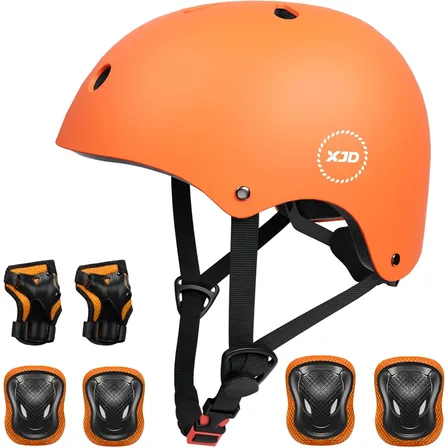
Orange Kids Helmet & Pad Set by XJD – Sizes S & M
The Orange XJD Kids Helmet & Pad Set is built for children around 3 to 8 years o…$24.64
-

XJD Pink Beach Cruiser for Girls – Rear Rack & V-Brake
The XJD Pink Beach Cruiser for girls is the step-up bike for riders who've outgr…$179.99
$209.99 -
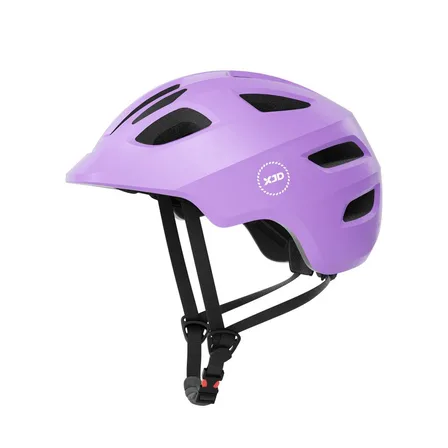
Girls' Bike Helmet from XJD – Purple
The XJD kids bike helmet in purple is a multi-sport helmet built for toddlers an…$59.99
$49