

How much weight can a 20 inch bike hold
A 20-inch bike has no universal weight limit. Use the maximum load stated for that exact bicycle, and count the rider plus anything carried.
Why wheel size cannot answer the limit
“20 inch” describes the wheel size, not the strength or load rating of the complete bicycle. Two 20-inch bikes may have different frames, wheels, components and manufacturer limits. A weight capacity borrowed from another model—even one with the same wheel size—is not reliable.
Look on the bicycle, packaging and exact product manual for terms such as maximum rider weight or maximum permissible load. Check what the stated limit includes. If the documentation does not give a clear figure, ask the manufacturer or have a qualified bicycle mechanic identify the applicable specification. Do not estimate capacity from appearance.
What to measure before comparing
Start with the child’s current body weight using a reliable scale. Then weigh anything the bike will carry, such as a backpack or items in an attached basket. Use the combined figure if the manual defines its limit as total load.
- Record the rider’s weight in the same unit used by the manual.
- Record the weight of carried belongings and installed accessories.
- Confirm whether the published limit covers the rider alone or the entire load.
- Keep the measured total within the exact model’s stated limit.
Do not confuse the bicycle’s own weight with its carrying capacity. Also check manuals for accessories: a rack, basket, child seat or training-wheel assembly can have a separate restriction or compatibility requirement. Follow the exact product instructions, or consult a qualified bicycle mechanic when the documents are missing or unclear.
Capacity and fit are separate checks
A child can be below a bicycle’s load limit and still be unable to ride it comfortably or control it. XBikes uses a 20-inch starting point of ages 7–12 and rider height 48–60 inches (122–152 cm), but age is only an initial reference.
Measure the child’s standing height and inseam, then have the child try the bicycle. Check stand-over clearance, seated and standing reach, steering control, brake reach and the ability to start and stop confidently. Do not buy an oversized bicycle merely to allow room for growth. If the child cannot control a 20-inch model now, an acceptable weight figure does not make the fit acceptable.
How the catalog option is relevant
XJD Girls' Bike with Training Wheels, 12/14/16/20 Inch – Purple is relevant because its supplied size choices include a 20 Inch SKU, alongside 12 Inch, 14 Inch and 16 Inch options. Those labels let you identify the requested wheel-size version, but the catalog facts supplied here do not include a load limit. Therefore, use the manual for the exact 20 Inch SKU rather than transferring a limit from another size. Do not assume training wheels increase the permitted load.

The smaller SKUs are size-comparison options, not evidence about the 20 Inch version’s capacity. For reference, XBikes’ starting points are 12 Inch for 34–40 inches (86–102 cm), 14 Inch for 37–45 inches (94–114 cm), and 16 Inch for 40–48 inches (102–122 cm). Measure and test fit individually instead of selecting by the product title or age alone.
Inspect condition as well as the rating
A stated load limit assumes the bicycle is correctly assembled, compatible and maintained. Before riding, check for obvious damage, loose parts, wheel problems or anything that prevents normal steering and braking. Follow the product manual for assembly, maintenance, compatibility and torque requirements; no universal procedure or torque value should be substituted. When the bicycle is used, damaged or uncertain, ask a qualified bicycle mechanic to inspect it.
A properly fitting bicycle helmet is also essential. It should sit level, fit properly and have its straps adjusted according to the helmet manufacturer’s instructions. A helmet does not change the bike’s capacity, but it remains part of preparing the child to ride.
Make the final decision
Proceed with a particular 20-inch bike only when all four answers are clear: the exact model or SKU has an identified load limit; the rider and carried load fall within it; the child fits and controls the bike now; and the bicycle is correctly assembled and in sound condition.
If the exact manual provides no capacity, the combined load exceeds its limit, or the child cannot reach and operate the controls confidently, do not use that bike yet. Verify the specification with the manufacturer or choose another individually checked model and size. The next step is to weigh the child and carried items, measure height and inseam, and compare those results with the exact 20-inch bicycle’s manual and an in-person fit check.
Bikes for your next adventure
-
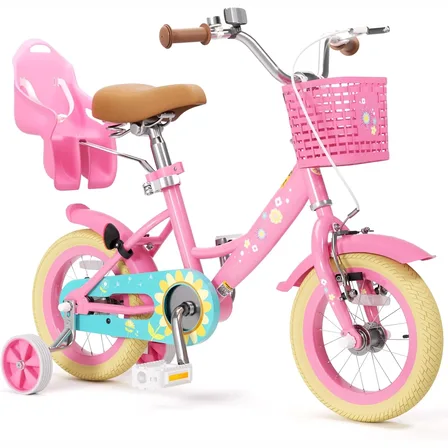
Flower Pink XJD Girls Bike with Doll Seat & Basket
The XJD Flower Pink girls' bike is made for riders 71–122 cm tall (roughly ages …$69.99
-
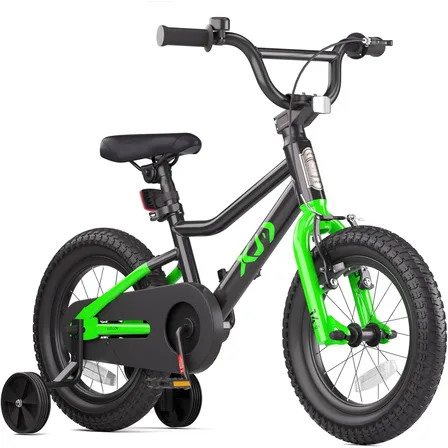
Black XJD Kids' BMX Bicycle with Training Wheels
The XJD Kids' BMX Bicycle with Training Wheels is built for children roughly 3 t…$99.99
$119.99 -

XJD Boys 12/14/16" Training Wheel Bike – Blue
The XJD Boys Bike in Blue is a training wheel bike for riders 71–122 cm tall—rou…$169
$199