

How old can baby go in bike trailer
There is no universal age when a baby can go in a bike trailer. Use the trailer manual’s minimum-age rules and confirm that your child can meet every stated support, restraint and helmet requirement.
Age alone cannot answer the question
Bike trailers differ, so a general age recommendation cannot override the instructions for your exact model. Find the manufacturer’s manual and compare its minimum age, seating requirements, permitted passenger setup and load limit with your child’s current development and measurements. If the manual is missing or unclear, contact the manufacturer before riding.
A child must be able to ride in the trailer exactly as its manual requires. Pay particular attention to whether your child can maintain the required seated position and control their head while wearing a properly fitted bicycle helmet. If you are uncertain about developmental readiness, ask the child’s healthcare professional rather than estimating from age.
What to check before the first ride
- Read the exact trailer manual. Confirm its minimum passenger age, required seating configuration, restraint instructions and load limits. Do not borrow specifications from a similar-looking trailer.
- Measure the child. Record current height and weight, then compare them with every applicable limit in the manual. Do not rely on clothing size or an old medical record.
- Check seated stability. Make sure the child meets the manual’s posture and support requirements for the complete ride, not merely for a brief fitting indoors.
- Fit the helmet. The U.S. Consumer Product Safety Commission advises that a bicycle helmet should fit properly, sit level and have its straps adjusted according to the helmet manufacturer’s instructions.
- Inspect the complete setup. Follow the trailer and towing-bicycle manuals for attachment, restraints, tires, maintenance and pre-ride checks. Use a qualified bicycle mechanic when assembly or compatibility is uncertain.
When the answer is “not yet”
Do not use the trailer if your child is below the manual’s minimum age or outside any stated passenger limit. Wait as well if the required restraint does not fit, the helmet cannot be fitted correctly, the child cannot maintain the required position, or the manufacturer does not approve the intended configuration.
An infant insert, support cushion or other accessory should not be treated as permission to carry a younger passenger unless the exact trailer manual explicitly approves that accessory and configuration. Never invent a workaround for an unmet requirement.
Why the listed XBikes products are different
The supplied catalog items are children’s bicycles, not bike trailers. They cannot establish when a baby is ready for trailer travel. They become relevant later, when the child is ready to try an individually fitted bicycle, and their 12-, 14- and 16-inch choices provide useful size comparison points.
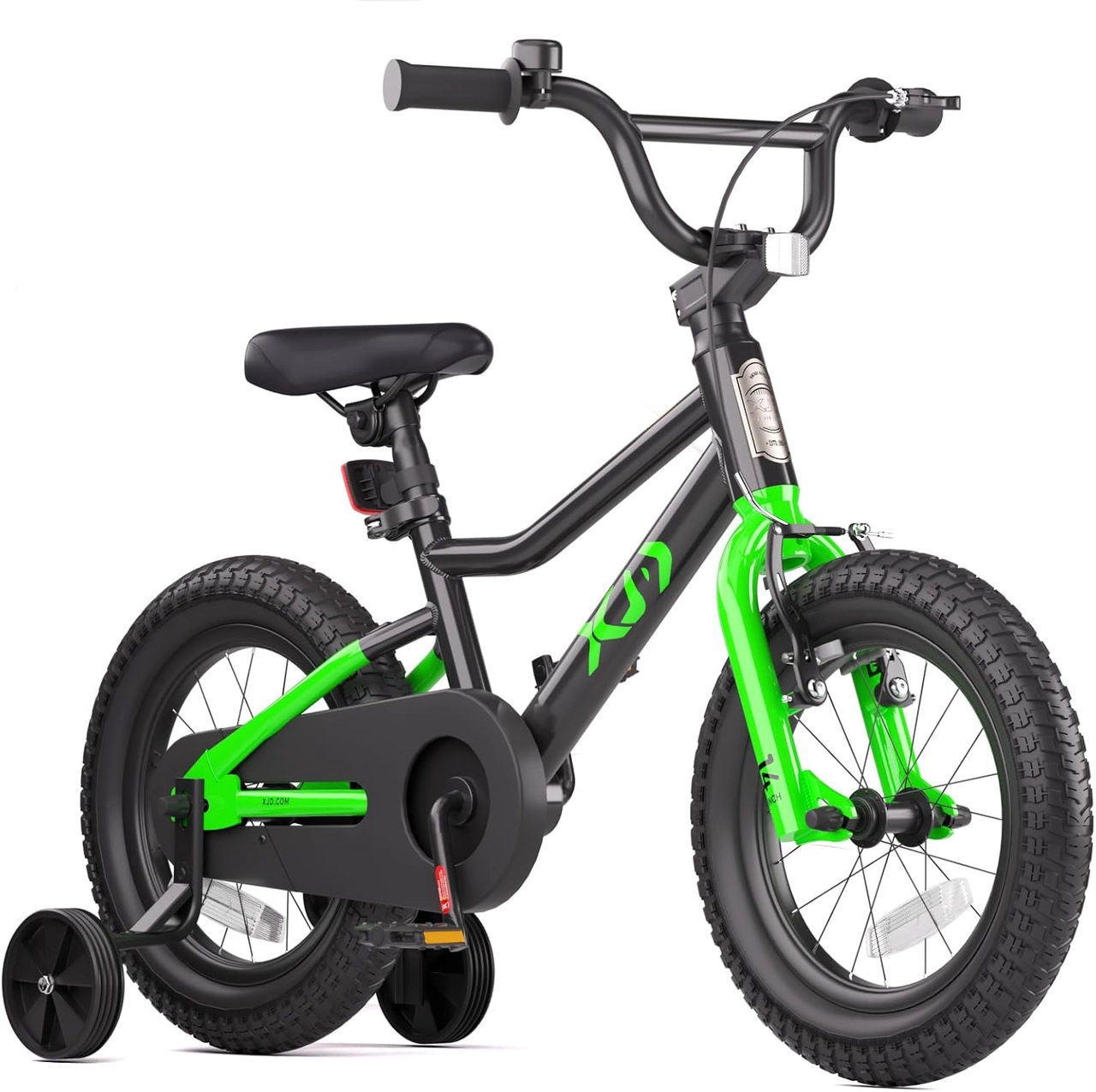 Black XJD Kids' BMX Bicycle with Training Wheels
A later-stage bicycle option, not a trailer: this kids’ BMX model is supplied in 12 Inch, 14 Inch and 16 Inch sizes for comparison after the child is ready to ride independently.
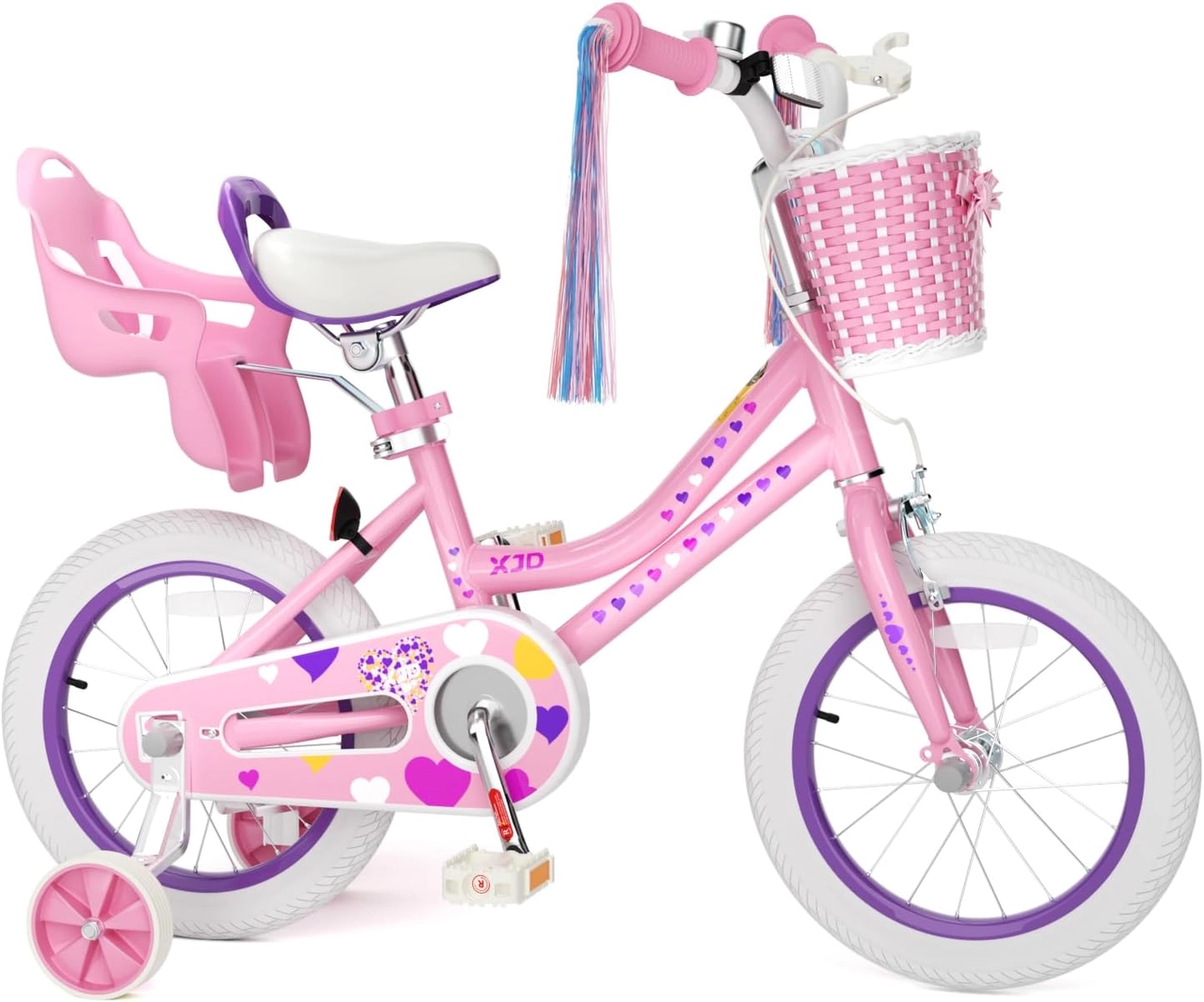 Pink Girls' 12/14/16" Bike by XJD – Basket & Doll Seat
This training-wheel bicycle is available in supplied 12 Inch, 14 Inch and 16 Inch sizes. It is relevant to later bicycle fitting, not to deciding when a baby can ride in a trailer.
The Black XJD Kids' BMX Bicycle with Training Wheels is listed in 12 Inch, 14 Inch and 16 Inch sizes. The Pink Girls' 12/14/16" Bike by XJD – Basket & Doll Seat has the same three supplied wheel-size labels. These facts allow a size-range comparison only; they provide no evidence about trailer readiness, trailer compatibility or a baby’s developmental readiness.
How to use those bicycle sizes later
When the child progresses from being a trailer passenger to riding a bicycle, measure height first and use age only as a starting point. XBikes lists 12 Inch for ages 3–4 and heights 34–40 in / 86–102 cm; 14 Inch for ages 3–6 and 37–45 in / 94–114 cm; and 16 Inch for ages 4–7 and 40–48 in / 102–122 cm.
Overlapping ranges do not make the sizes interchangeable. Have the child try the bicycle and assess stand-over clearance, inseam, reach, brake control and current confidence. Consistent with American Academy of Pediatrics guidance, do not buy an oversized bicycle merely to allow room for growth. Follow the exact bicycle manual or consult a qualified bicycle mechanic for assembly, maintenance, compatibility and adjustments not covered by the supplied facts.
Make the decision for your child
Today’s next step is to identify the exact trailer model, retrieve its manual, measure your child and test only the manufacturer-approved seating and restraint setup while stationary. Proceed only when every manual requirement is met, the helmet fits properly and any developmental doubt has been resolved with the child’s healthcare professional. Otherwise, the title-specific answer is simple: your baby should not go in that bike trailer yet.
Bikes for your next adventure
-

Kids Bike Helmet by XJD for Girls – Pink
The XJD Kids Bike Helmet in Pink is a lightweight multi-sport helmet for girls r…$59.99
$99 -

Blue XJD Kids Bike Helmet for Boys & Girls
The Blue XJD Kids Bike Helmet is a lightweight, adjustable multi-sport helmet fo…$59.99
$99 -
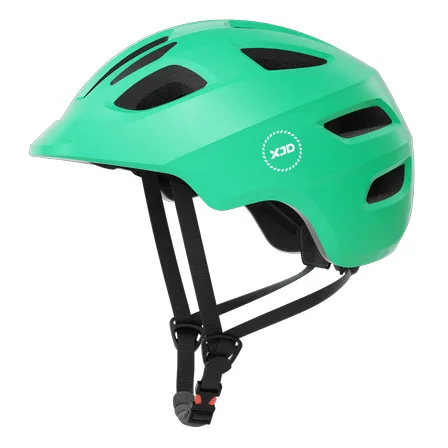
Green XJD Kids Bike Helmet for Boys & Girls
The Green XJD Kids Bike Helmet is a lightweight multi-sport helmet for toddlers …$59.99
$99