

How to Store Kids Bikes and Scooters in a Small Space
Learning how to store kids bikes and scooters starts with separating everyday convenience from safe support. A narrow hallway may look efficient, yet handlebars, pedals and loose charging leads can create trip hazards. Measure the complete equipment, choose a dry area away from exits and heat, and support each item only at points approved by its manufacturer.
Measure the real storage footprint
Record total length, handlebar width and height with the saddle, basket, rack and training wheels in their normal positions. A wheel-size label is not the bicycle's overall dimension. Mark the space on the floor before installing a rack so doors, electrical panels and walking routes remain clear.

Keep wheels and controls protected
Park each bicycle so brake levers, cables and derailleurs are not pressed against a wall or another vehicle. Do not hang a child bike by a basket, training wheel, cable or plastic guard. A floor stand is often the simplest choice when the exact frame does not have an approved hanging point.

Create a child-safe access rule
Store helmets separately where they cannot be crushed. Keep pumps, lubricants, chargers and tools out of children's reach. A child should not pull a bike from a crowded row alone; an adult can move neighboring equipment first and check that nothing shifted into the spokes or controls.
Control moisture and dirt
Let wet tires and frames dry in a ventilated place before enclosed storage, then wipe grit according to the manual. Avoid direct heater contact, strong solvents and prolonged outdoor exposure. Check steel areas, fasteners, tire sidewalls and electrical scooter connections for changes before the next session.
Run a release-and-ride check
After taking a bike from storage, verify wheel retention, tire condition, steering, pedals, chain and every brake. Remove straps or locks completely. If the handlebar was turned for space, restore it only through the exact instructions and confirm alignment before a child mounts.
How current product examples clarify the choice
The Blue XJD 12/14/16-Inch Training Wheel Bike shows how side supports increase width, while the Mint Green XJD Geared Beach Cruiser adds a rear rack and a longer adult-style footprint. Those differences make direct measurement more useful than a generic wall-rack capacity label.
Practical checklist
- Measure every accessory in place.
- Keep exits and controls clear.
- Use only approved support points.
- Inspect the bike after removing it from storage.
Frequently asked questions
Can I hang a kids bike by one wheel?
Only if the bicycle and storage hardware instructions approve that method and the hook cannot damage the rim, tire or brake.
Should training wheels be removed for storage?
Do not remove safety-related hardware merely to save space; follow the exact model instructions and reinstall through qualified service when needed.
Before making the final choice, revisit the exact route or driving area at the time it will normally be used. A setup that works during a quiet test may need more room, visibility or adult support when other people and everyday obstacles are present.
Bottom line
Use the answer to how to store kids bikes and scooters as a decision process, not a shortcut. Confirm the live product data and manual, match the rider to the controls and setting, and favor repeatable control over a larger size or higher performance label.
Bikes for your next adventure
-
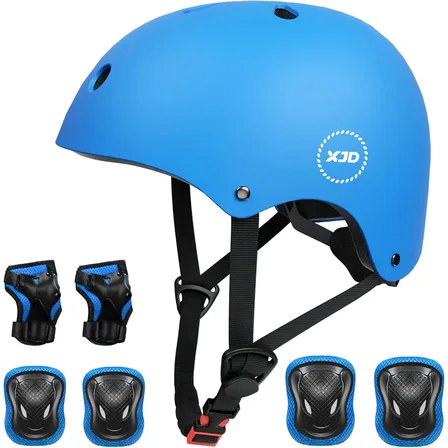
Blue XJD Helmet & Protective Gear Set for Kids, Sizes S/M
The Blue XJD Helmet & Protective Gear Set is made for kids roughly 3 to 8 years …$23.79
-
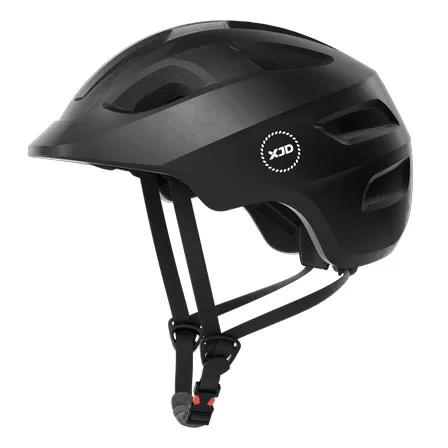
Kids Multi-Sport Bike Helmet by XJD – Black
7 reviews
The XJD Kids Multi-Sport Bike Helmet in Black is a lightweight, adjustable helme…$59.99
$49 -
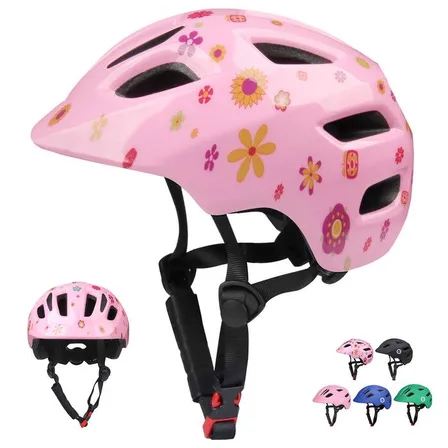
Girls Bike Helmet by XJD, Pink Flower Print
7 reviews
The XJD Girls Bike Helmet in Pink Flower print is a fun, floral kids helmet desi…$59.99