

How to take baby on bike ride
To take a baby on a bike ride, first confirm the baby is ready, choose a compatible child seat or trailer, verify every load limit, fit helmets, and practise before riding in traffic.
Confirm that your baby is ready
Do not decide readiness from age alone. Before the first ride, ask your pediatrician whether your baby has the neck strength, head control and general development needed for the type of carrier you plan to use. Follow any local rules governing child passengers.
Check the carrier manufacturer’s minimum passenger requirements and never improvise around them. Your baby must also be able to use the required helmet correctly while seated in the carrier. If the medical advice, law and carrier instructions do not all support the ride, wait.
Choose between a child seat and a trailer
Compare the actual carrier models rather than assuming either format fits every bicycle. For a frame-mounted or rack-mounted child seat, verify the required mounting points, bicycle compatibility, passenger limit and combined load limit in both manuals. Make sure the installed seat will not interfere with steering, pedalling, braking or your ability to mount and stop securely.
For a trailer, check the specified hitch arrangement, wheel or axle compatibility, passenger restraint, enclosure and bicycle requirements. Follow the exact trailer and bicycle manuals for installation, maintenance and load limits. If either manual is unclear, have a qualified bicycle mechanic inspect the complete setup.
Measure and compare the riding bicycle
The adult rider must control the bicycle confidently before adding a passenger. Measure rider height and inseam, then test stand-over clearance, reach, steering and brake control. You should be able to start, stop and stabilize the bicycle predictably with the carrier attached. Do not select an oversized bicycle merely for future growth.
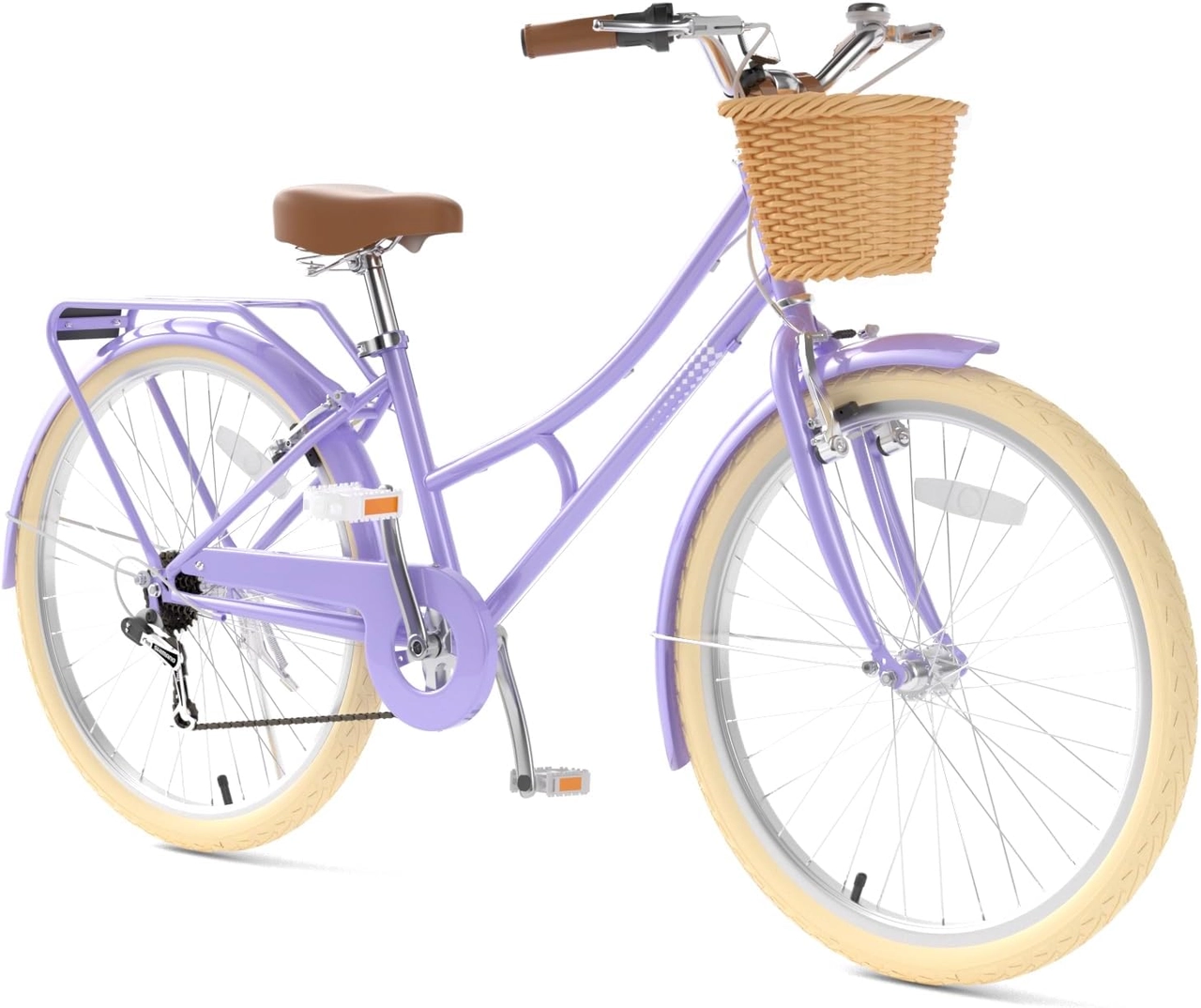
The supplied catalog option, 26-Inch XJD Beach Cruiser Bike for Girls – Purple, V-Brake, is relevant only as a possible host-bicycle comparison. Its available labels cover Mint Green in 20, 24 and 26 Inch; Pink in 20, 24 and 26 Inch; and Purple in 26 Inch. Under the XBikes starting points, 20 Inch corresponds to riders 48–60 in / 122–152 cm, 24 Inch to 54–64 in / 137–163 cm, and 26 Inch to youth and adults over 60 in / 153 cm. Height, inseam, reach, brake control and confidence still decide fit. Nothing in the supplied facts confirms compatibility with a baby seat or trailer, so verify that separately in the exact manuals or with a mechanic.
These catalog options help compare wheel-size starting points and rider fit before choosing the bicycle that may carry or tow the baby; they are not baby carriers and are not evidence of carrier compatibility.
Fit the baby and adult helmets
Use a bicycle helmet that fits each wearer properly. The baby’s helmet must sit level and its straps must be adjusted according to the helmet manufacturer’s instructions; apply the same checks to the adult helmet. Do not add padding, alter straps or substitute a differently sized helmet unless the manufacturer directs it.
Seat the baby in the carrier exactly as its instructions specify. Fasten every required harness point and check that clothing, blankets, straps, hands and feet cannot reach moving parts. Confirm that the baby’s position and helmet remain correct with the bicycle upright and while it is gently moved by hand.
Inspect and practise before the first trip
- Inspect the bicycle, carrier, fasteners, hitch or rack, wheels and brakes using their manuals.
- Check the bicycle and carrier load limits against the rider, baby, carrier and luggage; use only limits printed by the manufacturers.
- Practise mounting, walking, turning, braking and parking the loaded setup in a traffic-free area.
- Take a short trial ride without the baby using only a manual-approved test load, if the carrier instructions permit one.
- For the first passenger ride, choose a short, familiar route away from fast or dense traffic and stop if the baby’s position changes.
A baby changes balance, stopping behavior and turning clearance. If the bicycle feels unstable, the brakes are hard to control, or you cannot mount without tipping the setup, do not carry the baby. Recheck fit and installation or ask a qualified mechanic.
Make the go-or-wait decision
Ride only when the baby meets medical, legal and carrier requirements; both helmets fit; the restraint and installation match their manuals; the adult bicycle fits its rider; and controlled practice feels predictable. Check the setup again before every outing.
If you are considering the 26-Inch XJD Beach Cruiser Bike for Girls – Purple, V-Brake, first confirm that its 26 Inch starting point suits the rider and then obtain explicit carrier compatibility and load information from the relevant manuals. Until every check passes, the correct next step is to postpone the baby’s ride.
Bikes for your next adventure
-
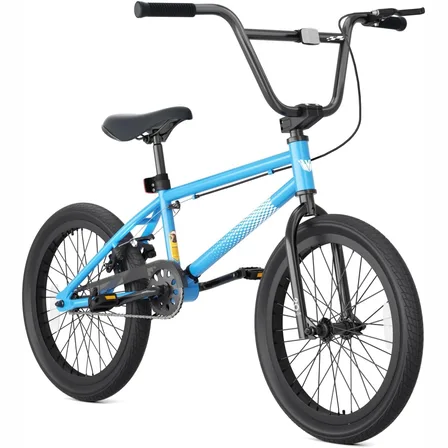
Blue XJD Freestyle BMX Bike, 20-Inch – No Pegs
The XJD 20-Inch Blue Freestyle BMX is an entry-level BMX bike for boys and girls…$189.99
-

Light Pink XJD Girls' Bicycle with Basket & Training Wheels
The Light Pink XJD Girls' Bicycle with Basket & Training Wheels is a retro-style…$109.99
$129.99 -

Flower Pink XJD Girls Bike with Doll Seat & Basket
The XJD Flower Pink girls' bike is made for riders 71–122 cm tall (roughly ages …$69.99