

How to teach a kid to ride a bike
Teaching a child to ride a bike is less about one dramatic launch and more about building several small skills in the right order. Balance, looking ahead, steering, pedaling and braking develop at different speeds. A calm practice plan helps the child feel in control and gives parents clear signs of when to move forward.
Begin with the bike, not the lesson
Check that the bike is small enough to control. The child should be able to sit or stand securely, reach the handlebar and operate the brakes. Lowering the saddle temporarily can help a beginner feel stable, but it should not replace a correctly sized bike. Fit a helmet level on the head, secure the chin strap and choose a flat area away from traffic.
A progression that keeps practice manageable
- Familiarization: let the child walk the bike, squeeze the brakes and practice mounting.
- Balance: use short glides or gentle pushes, encouraging the child to look ahead.
- Steering: add wide turns around visible markers rather than tight obstacles.
- Pedaling: help the child start with one pedal ready and release support gradually.
- Stopping: practice braking before adding distance or speed.
Keep each attempt short enough that the child can finish with a success. Repeating a single skill for five calm minutes is often more productive than insisting on a long ride after fatigue appears.
What parents should say and watch
Use simple instructions such as “look where you want to go” and “squeeze both brakes gently.” Avoid pulling the handlebar to correct every wobble; that can make the child rely on an adult instead of learning the steering response. Watch for relaxed shoulders, eyes looking ahead and a willingness to try again. Those are better progress signals than distance alone.
When a child is stuck
If the bike veers, check whether the child is looking down or gripping too tightly. If starting is the problem, rehearse the pedal position and a gentle push. If stopping is frightening, return to walking speed and practice the brakes separately. A different bike size may be the real issue when the child cannot reach the controls comfortably.
XBikes products to review for the learner
The linked products can be compared by wheel size, frame position and the type of riding they encourage. Select the model that makes the control exercises above feel possible, then confirm the current listing details before ordering.
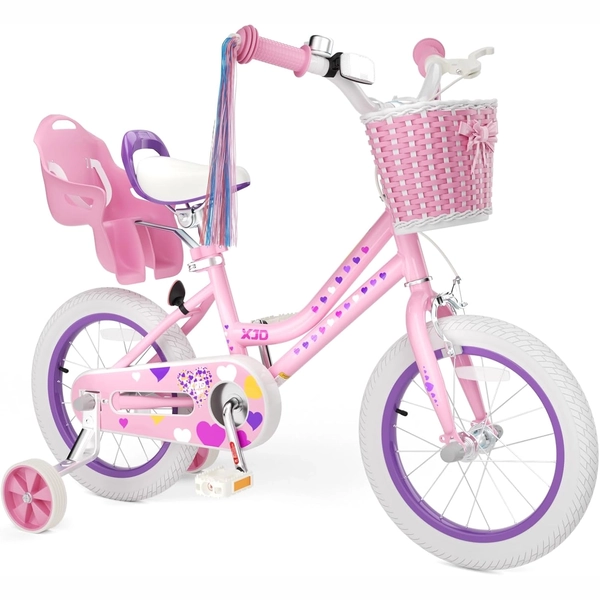 Light Pink XJD Girls' Bicycle with Basket & Training Wheels
Why it fits: Training wheels can support early practice while the rider develops steering and braking confidence; verify the listed wheel size first.
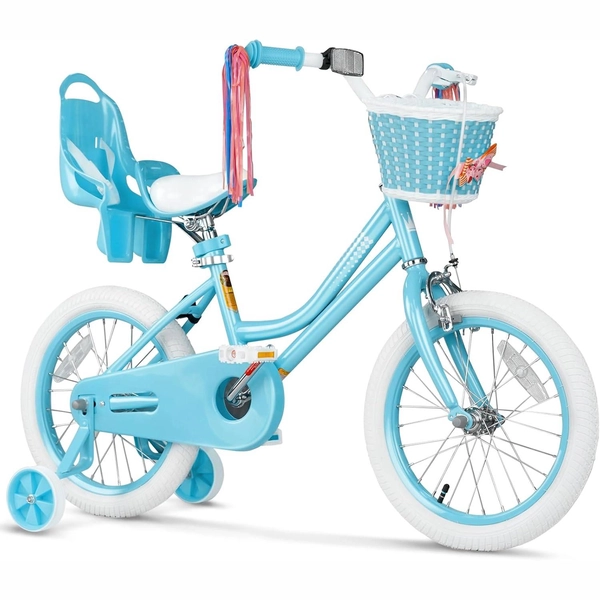 Blue XJD Girls Bike with Training Wheels – 12/14/16 Inch
Why it fits: Training wheels can support early practice while the rider develops steering and braking confidence; verify the listed wheel size first.
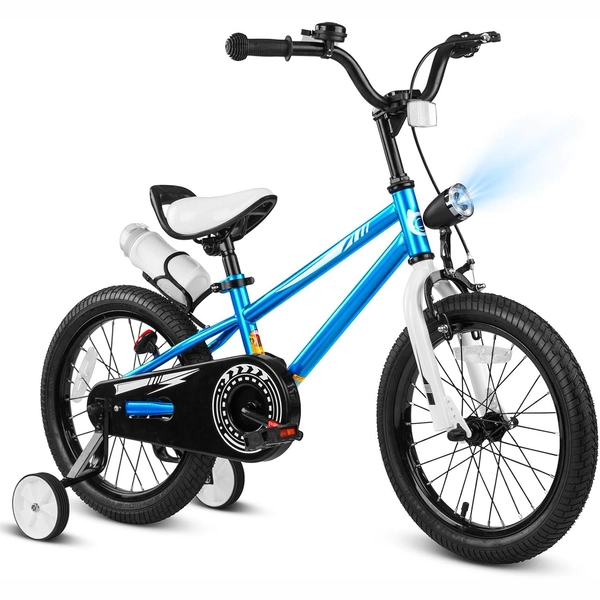 XJD Boys 12/14/16" Training Wheel Bike – Blue
Why it fits: Training wheels can support early practice while the rider develops steering and braking confidence; verify the listed wheel size first.
A parent’s practice checklist
- Choose a flat, quiet practice area with enough stopping space.
- Check helmet fit, tire condition, brakes and fasteners before each session.
- Stop when the child is tired, frustrated or losing control.
- Increase distance only after starting, steering and stopping are comfortable.
Common questions
Should I hold the back of the seat?
Light support can help during the first glides, but reduce it as soon as possible so the child feels the bike balance. Avoid steering for them.
How long does learning take?
There is no universal timetable. Frequent, short, positive practice is usually more useful than a single long lesson.
Source note: Safety and fit guidance is summarized from HealthyChildren.org and the U.S. CPSC. Follow the helmet and bicycle manufacturer’s instructions.
Bikes for your next adventure
-

Kids Bike Helmet by XJD for Boys & Girls – Black, Blue, Green, Pink, Purple
The XJD Kids Bike Helmet covers a wide 2-to-8-year age range thanks to two head-…$59.99
-

Kids Bike Helmet by XJD for Girls – Pink
The XJD Kids Bike Helmet in Pink is a lightweight multi-sport helmet for girls r…$59.99
$99 -

XJD Kids Bike for Girls – Pink, 12/14/16/20 Inch with Training Wheels
The XJD Kids Bike for Girls in Pink is a training-wheel bike built to carry your…$139
$159