

Kids Bike Bell Placement: A Reach Test
Kids bike bell placement should let the rider operate the bell while maintaining a secure grip and immediate brake access. A bell is a communication tool, not permission to ride in traffic or replace visual awareness. Fit it only where the handlebar and manufacturer allow, then test reach while the bicycle is stationary.
Protect the primary controls
Identify both grips, brake levers, shifters and any required reflectors before choosing space. The bell must not push a brake lever inward, interfere with cable movement or require the child to move the whole hand off the grip. Do not mount it to a curved or narrow section the instructions exclude.

Test reach with the actual rider
With an adult stabilizing the bike, have the child assume a normal posture and activate the bell using a thumb or finger as designed. Shoulders should remain relaxed and steering should stay centered. If the rider must look down, twist the wrist sharply or release the brake-ready position, relocate or change the bell.
Secure the mount correctly
Use the supplied clamp, pads and hardware for the stated bar diameter. Confirm the bell cannot rotate under a gentle hand check and has clearance through full steering movement. Do not over-tighten onto the bar or use sharp improvised metal straps.
Teach when the bell is useful
Practice one signal while approaching an adult pedestrian in a closed area, then slow and leave space. The bell does not give right of way and may not be heard. Children should stop when a person, pet or obstacle does not respond, and should still follow local path rules.
How the current product examples fit
The mint XJD beach cruiser has hand controls, gears and an upright cockpit. Any added bell must preserve full access to its grips, shifters and V-brake levers. See XJD Kids Beach Cruiser Bicycle, Rear Rack & V-Brakes, Mint Green for the exact current options and specifications.
Quick checklist
- Keep brake levers unobstructed.
- Test reach while stationary.
- Maintain a full grip.
- Check clamp security and steering clearance.
- Teach bell plus slowing and space.
Common questions
Which side should a kids bike bell go on?
Use the side that preserves every primary control and lets the child operate it safely; follow the bell and bicycle instructions.
Can the bell replace calling out?
No. It is one signal, and the rider must still slow, look and be prepared to stop.
Explore related guides
Use the beach-cruiser collection and kids-bike collection to compare other suitable configurations without assuming every model has the same features.
Bottom line
A well-placed bell is reachable without sacrificing steering or braking. If the handlebar is crowded, control access takes priority over adding it.
Bikes for your next adventure
-
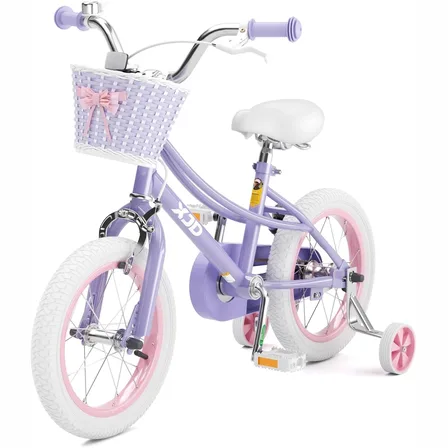
Girls' Training Wheel Bike by XJD with Basket – Purple
If you're shopping for a first bike for a girl roughly 3 to 12 years old (91–152…$75.99
-
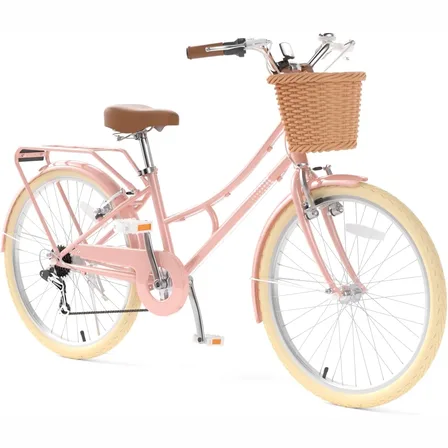
XJD Pink Beach Cruiser for Girls – Rear Rack & V-Brake
The XJD Pink Beach Cruiser for girls is the step-up bike for riders who've outgr…$179.99
$209.99 -
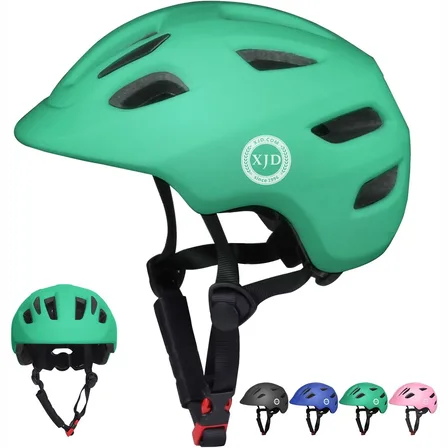
Green XJD Toddler Bike Helmet with Adjustable Fit, XS (46–51 cm)
The XJD toddler bike helmet in Green is built for the youngest riders — the size…$20.39
$23.99