

What age are 16 inch bikes for
A 16-inch bike is a starting point for children ages 4–7 who are 40–48 inches (102–122 cm) tall, but measurements and a hands-on fit check matter more than age.
Is a 16-inch bike the right size?
Age narrows the search, but it cannot confirm fit. Measure your child’s height without shoes and compare it with the 40–48 inch (102–122 cm) starting range. Then measure inseam and have the child try the exact bicycle, because frame shape, saddle position and handlebar reach can affect how it feels.
Do not choose an oversized bike simply to allow room for growth. A child should be able to stand over the bicycle comfortably, reach the handlebars without stretching and operate the brakes reliably. Current confidence also matters: two children of the same height may need different levels of stability and control.
What to measure before choosing
- Standing height: Compare the measured result with the 16-inch starting range of 40–48 inches (102–122 cm).
- Inseam: Measure from the floor to the crotch while the child stands in socks. Compare that measurement with the stand-over clearance and saddle adjustment of the exact bike.
- Reach: With the child seated, check that the handlebars are reachable without locking the elbows, leaning excessively or losing a balanced posture.
- Brake control: Confirm that the child can comfortably reach and operate the bike’s actual braking controls. Do not assume suitability from wheel size alone.
- Confidence: Notice whether the child can start, steer, stop and put a foot down without panic or awkward movement.
How 16 inches compares with nearby sizes
| Wheel size | Starting age | Starting rider height |
|---|---|---|
| 14 Inch | Ages 3–6 | 37–45 in / 94–114 cm |
| 16 Inch | Ages 4–7 | 40–48 in / 102–122 cm |
| 18 Inch | Ages 5–9 | 43–52 in / 109–132 cm |
The ranges overlap because children do not grow or develop riding skills at the same rate. A measured height near an overlap is a reason to try both relevant sizes, not a reason to automatically select the larger one. Compare stand-over room, reach, brake access and control on each exact bicycle.
What a proper try-out should show
During a supervised try-out, the child should look relaxed rather than stretched or cramped. Check that mounting and dismounting are manageable, the hands remain in control while steering, and stopping does not require an uncomfortable reach. The child should also be able to regain stability when slowing down.
If the child cannot stand over the bike appropriately, struggles to reach its controls or appears unable to steer and stop confidently, that particular 16-inch model is not a suitable fit yet—even if the child is within the age or height starting range. Conversely, age outside 4–7 does not decide the issue by itself; use the full fit check.
Relevant 16-inch catalog options
The supplied catalog includes two Kids’ BMX Bikes with 16-inch choices: XJD Girls BMX Bike 12/14/16 Inch with Training Wheels – Pink Blue and XJD Boys & Girls BMX Bike with Training Wheels, 12/14/16" – Blue. Each also has 12-inch and 14-inch SKU labels, which makes these particular listings useful when comparing the requested 16-inch option with smaller labeled sizes. Their titles mention training wheels, but the catalog facts do not establish fit, brake type, adjustment range or compatibility; confirm those details in the exact product information and manual.
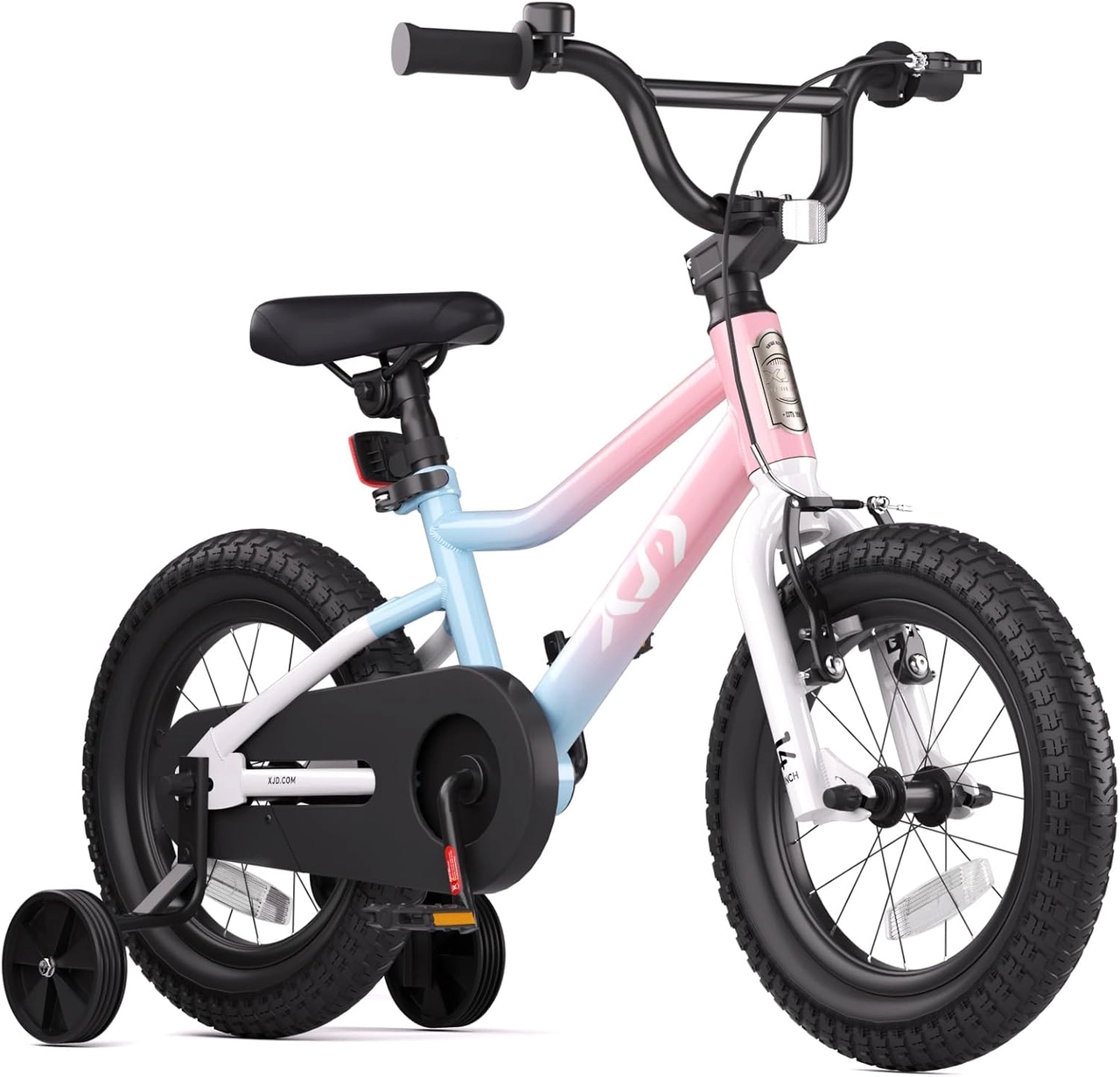 XJD Girls BMX Bike 12/14/16 Inch with Training Wheels – Pink Blue
Available with a 16 Inch SKU label, alongside 12 Inch and 14 Inch choices. This Kids’ BMX Bike title also specifies training wheels and Pink Blue; confirm individual fit on the exact selected size.
 XJD Boys & Girls BMX Bike with Training Wheels, 12/14/16" – Blue
This Kids’ BMX Bike offers 12 Inch, 14 Inch and 16 Inch SKU labels, making its 16-inch choice relevant to the article. Its title specifies training wheels and Blue, but measurements and a try-out must determine fit.
Before the first ride
Recheck the selected SKU label so that the ordered option is specifically 16 Inch; the same product titles also cover 12-inch and 14-inch choices. Follow the exact product manual for assembly, adjustment, maintenance, load limits, compatibility and torque. If anything is unclear or cannot be checked confidently, use a qualified bicycle mechanic.
A bicycle helmet is also essential. It should fit properly, sit level on the head and have its straps adjusted according to the helmet manufacturer’s instructions. A helmet does not correct a poorly fitting bicycle, so check both independently.
The decision to make now
Measure the rider’s height and inseam, then arrange a try-out of the exact 16-inch bike. Choose it only if the child falls near the 40–48 inch starting range and can stand over, reach, steer and brake with confidence; otherwise, compare the adjacent size indicated by the measurements instead of buying 16 inches for age or future growth alone.
Bikes for your next adventure
-
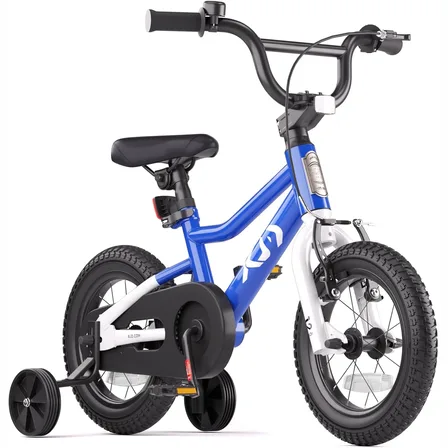
XJD Boys & Girls BMX Bike with Training Wheels, 12/14/16" – Blue
The XJD Boys & Girls BMX Bike in Blue is a first pedal bike for kids roughly age…$99.99
$119.99 -
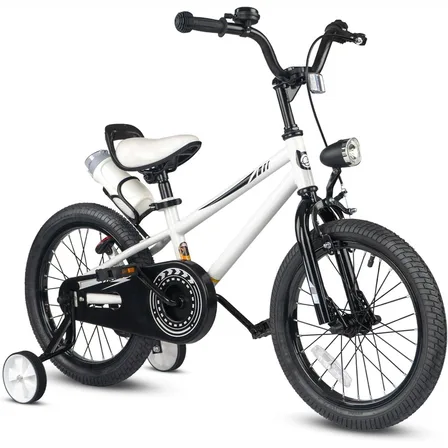
XJD Kids' Training Wheel Bike for Boys & Girls, 12/14/16 Inch – White
The XJD kids' training wheel bike in White is made for riders ages 3–8 (roughly …$169
$199 -

Black XJD Kids Bike for Boys – 12, 14 & 16 Inch Sizes
For a son between roughly 3 and 8 years old, the XJD Kids Bike in Black covers t…$169
$199