

What age can ride a 16 inch bike
A 16 inch bike is a starting point for many children ages 4–7 who measure 40–48 in (102–122 cm) tall, but fit and control matter more than age.
Check height before using the age range
Measure the child’s height without shoes, standing straight against a wall. Compare that measurement with the XBikes 16 Inch starting range of 40–48 in (102–122 cm). Age alone cannot confirm that a bike fits because children of the same age can differ substantially in height, proportions and riding ability.
If the child is outside that height range, compare the adjacent wheel-size starting points rather than choosing 16 Inch automatically:
| Wheel size | Starting age | Rider height |
|---|---|---|
| 14 Inch | 3–6 | 37–45 in / 94–114 cm |
| 16 Inch | 4–7 | 40–48 in / 102–122 cm |
| 18 Inch | 5–9 | 43–52 in / 109–132 cm |
| 20 Inch | 7–12 | 48–60 in / 122–152 cm |
Overlapping ranges are comparison points, not proof that two sizes fit equally well. The child still needs to try the exact bicycle.
Measure inseam and test stand-over clearance
Height narrows the choice; inseam helps determine whether the frame is manageable. Measure from the floor to the child’s crotch while the child stands upright. Then have the child straddle the exact bike with both feet flat on the ground.
There should be comfortable clearance between the child and the top tube. The child should not be forced onto tiptoes or pressed against the frame. Because frame shapes differ, a wheel-size label cannot provide a universal clearance number. The American Academy of Pediatrics advises having the child try the bicycle and avoiding an oversized bike bought merely for future growth.
Confirm reach, brakes and handling
With the child seated, check whether they can hold the handlebar naturally without stretching, locking their elbows or leaning excessively forward. They must also be able to reach and operate the bike’s brakes confidently. Brake type and adjustment can vary, so follow the exact product manual or ask a qualified bicycle mechanic for setup help.
During a supervised trial in a clear, traffic-free area, look for these signs:
- The child can start and stop without panic or loss of control.
- They can steer, turn and look ahead while maintaining balance.
- They can place a foot down promptly when stopping.
- The bicycle does not appear cumbersome when they manoeuvre it.
If those checks fail, do not rely on the 4–7 age range to justify the size. Compare another wheel size and repeat the fit test.
How the supplied 16 Inch options are relevant
All three supplied XBikes products include a 16 Inch SKU label, so they are directly relevant options to compare after measurement. Their other listed sizes can also help when a child falls near the edge of the 16 Inch height range, although no adjacent size should be treated as equivalent.
 XJD Boys & Girls BMX Bike with Training Wheels, 12/14/16" – Blue
Lists 12 Inch, 14 Inch and 16 Inch SKU labels. Its 16 Inch option is relevant when the child’s measurements, control and individual fit check support that wheel size.
 Girls' Training Wheel Bike by XJD with Basket – Purple
Lists 14 Inch, 16 Inch and 20 Inch SKU labels, providing direct 16 Inch relevance plus adjacent catalog options for comparison when measurements sit near a range boundary.
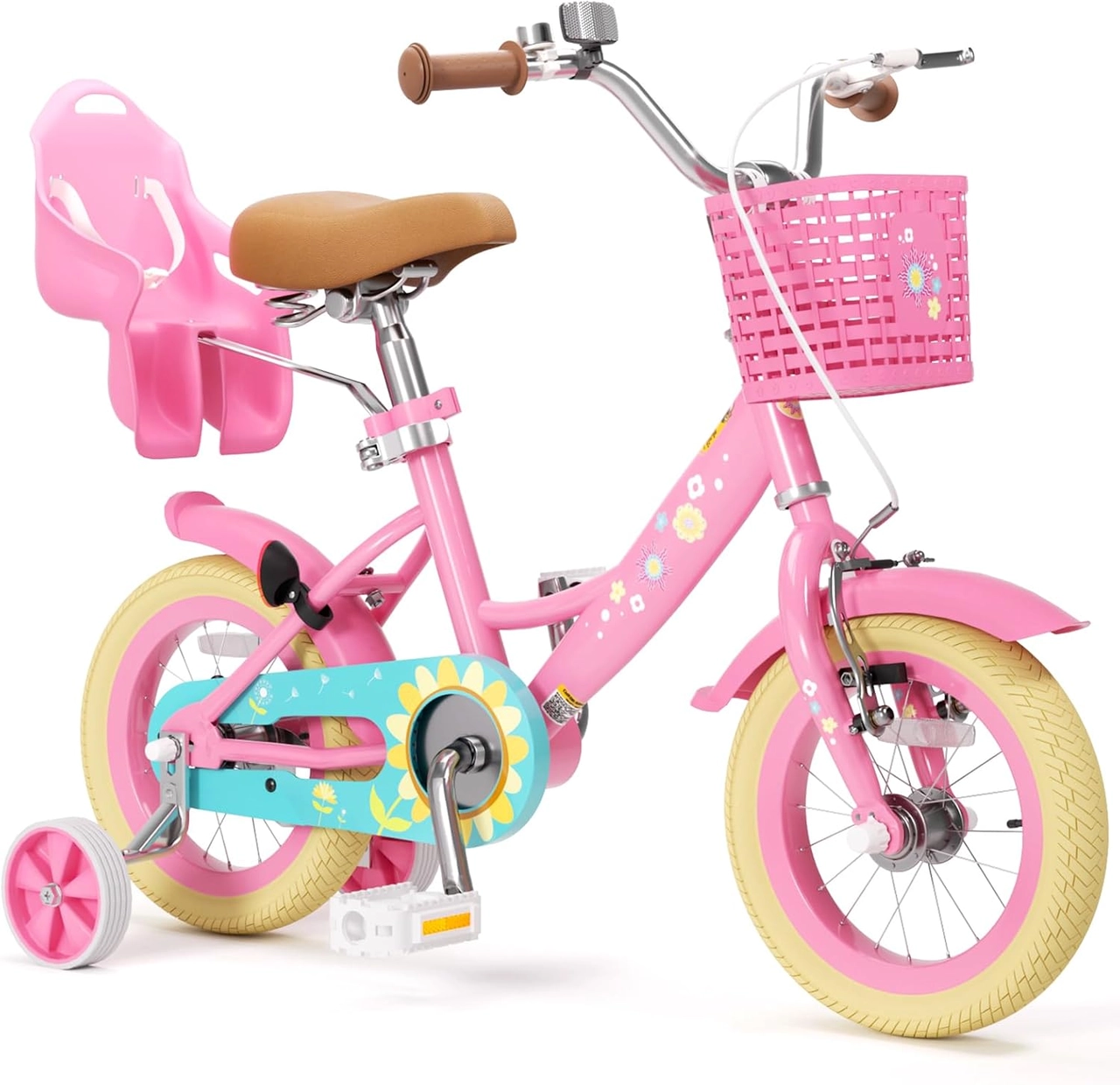 Flower Pink XJD Girls Bike with Doll Seat & Basket
Lists 12 Inch, 14 Inch and 16 Inch SKU labels. Consider the 16 Inch option only after checking the child’s height, inseam, reach, brake control and confidence.
XJD Boys & Girls BMX Bike with Training Wheels, 12/14/16" – Blue
This Kids' BMX Bikes catalog option lists 12 Inch, 14 Inch and 16 Inch sizes. Its 16 Inch version is relevant for a child whose measurements and trial support that size; the smaller labels provide comparison options for shorter riders. Confirm the exact SKU before ordering.
Girls' Training Wheel Bike by XJD with Basket – Purple
This Training Wheel Bikes option lists 14 Inch, 16 Inch and 20 Inch sizes. That makes it useful when comparing a 16 Inch candidate with the next listed smaller or larger option. A 20 Inch label does not mean it will fit a child suited to 16 Inch.
Flower Pink XJD Girls Bike with Doll Seat & Basket
This Training Wheel Bikes catalog option lists 12 Inch, 14 Inch and 16 Inch sizes. Consider its 16 Inch SKU only after the same height, inseam, stand-over, reach, brake and confidence checks; its product name and accessories do not establish rider fit.
Finish the safety and setup checks
A properly fitting bicycle helmet is essential. U.S. Consumer Product Safety Commission guidance says the helmet should fit properly, sit level and have its straps used according to the manufacturer’s instructions.
Before riding, follow the exact bicycle manual for assembly, adjustment, maintenance and any limits. If instructions are missing, unclear or require unfamiliar mechanical work, use a qualified bicycle mechanic rather than inventing a setting or procedure.
Make the 16 Inch decision
Choose a 16 inch bike only when the child is near the 40–48 in (102–122 cm) starting range and the exact model passes the inseam, stand-over, reach, brake-control and confidence checks. If it feels oversized, difficult to stop or hard to control, compare a smaller size now instead of buying room to grow.
Bikes for your next adventure
-
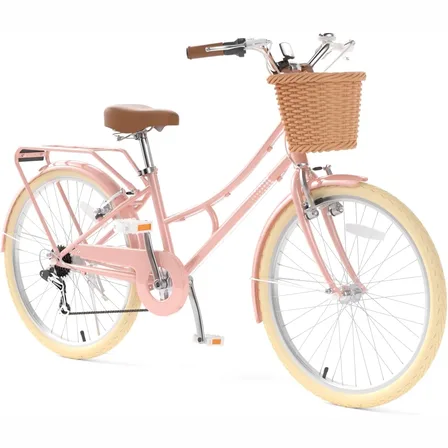
XJD Pink Beach Cruiser for Girls – Rear Rack & V-Brake
The XJD Pink Beach Cruiser for girls is the step-up bike for riders who've outgr…$179.99
$209.99 -
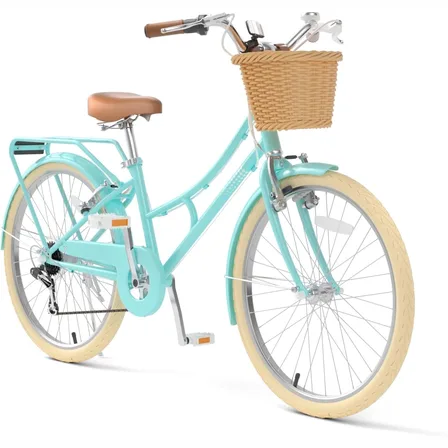
XJD Kids Beach Cruiser Bicycle, Rear Rack & V-Brakes, Mint Green
The XJD Beach Cruiser in Mint Green is a geared, multi-speed cruiser bike for ol…$179.99
$209.99 -
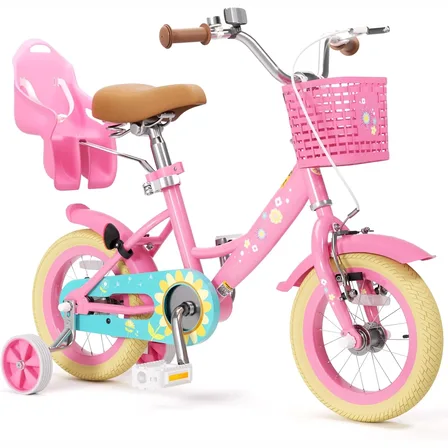
Flower Pink XJD Girls Bike with Doll Seat & Basket
The XJD Flower Pink girls' bike is made for riders 71–122 cm tall (roughly ages …$69.99