

What age can a child ride a 2 wheel bike
Most children can start riding a two-wheel bike when they can balance, steer, brake and reach the ground confidently—not at one fixed age. Measure your child’s height and inseam, then confirm the fit on the actual bicycle before buying.
Age is only a starting point
Children develop balance, coordination and confidence at different rates. A younger child who can control a correctly fitted bike may be ready before an older child who is still uncomfortable balancing or braking.
Use age to identify possible wheel sizes, but make the decision from the rider’s measured height, inseam, reach, brake control and current confidence. Do not buy an oversized bicycle for a child to grow into. The child should try the actual bike because frame shapes and controls can differ even when wheel sizes match.
Which wheel size should you check?
| Wheel size | Starting age | Rider height |
|---|---|---|
| 12 Inch | 3–4 | 34–40 in / 86–102 cm |
| 14 Inch | 3–6 | 37–45 in / 94–114 cm |
| 16 Inch | 4–7 | 40–48 in / 102–122 cm |
| 18 Inch | 5–9 | 43–52 in / 109–132 cm |
| 20 Inch | 7–12 | 48–60 in / 122–152 cm |
| 24 Inch | 10–14 | 54–64 in / 137–163 cm |
| 26 Inch | Youth and adults | Over 60 in / 153 cm |
These XBikes ranges are starting points, not guarantees. Overlap is normal: when a child falls within two rows, compare both actual bicycles and choose according to control and fit rather than selecting the larger wheel automatically.
Measure before comparing bicycles
- Measure standing height: Have the child stand straight without shoes against a wall. Record the measurement from the floor to the top of the head.
- Measure inseam: With feet slightly apart, measure from the floor to the crotch. Use this to assess clearance over the frame and whether the child can reach the ground as intended for that bicycle.
- Compare the height: Use the table to shortlist wheel sizes, then check the manufacturer’s fit information for the exact model.
- Arrange a real fit check: Let the child sit on, stand over and operate the actual bicycle. Numbers narrow the search; they do not complete it.
What a successful fit looks like
Ask the child to stand over the bike and confirm comfortable clearance rather than contact with the frame. Seated, the child should be able to hold the handlebar without an awkward stretch, turn it smoothly and remain in control. Hands must reach and operate the brakes confidently where hand controls are fitted.
Check how comfortably the rider starts, stops, steers and places a foot down. Hesitation alone does not always mean the size is wrong, but an inability to control the bike is a reason to stop and reassess. If fit or adjustment is uncertain, follow the exact product manual or ask a qualified bicycle mechanic; do not guess at assembly or adjustment procedures.
Are the supplied XBikes options relevant?
The three supplied catalog options are training-wheel bicycles offered in 12 Inch, 14 Inch and 16 Inch sizes. That makes them relevant comparison options when the child’s measured height points to those rows and the family wants training wheels. They do not cover 18 Inch, 20 Inch, 24 Inch or 26 Inch needs, so they are not substitutes when the fit check indicates one of those sizes.
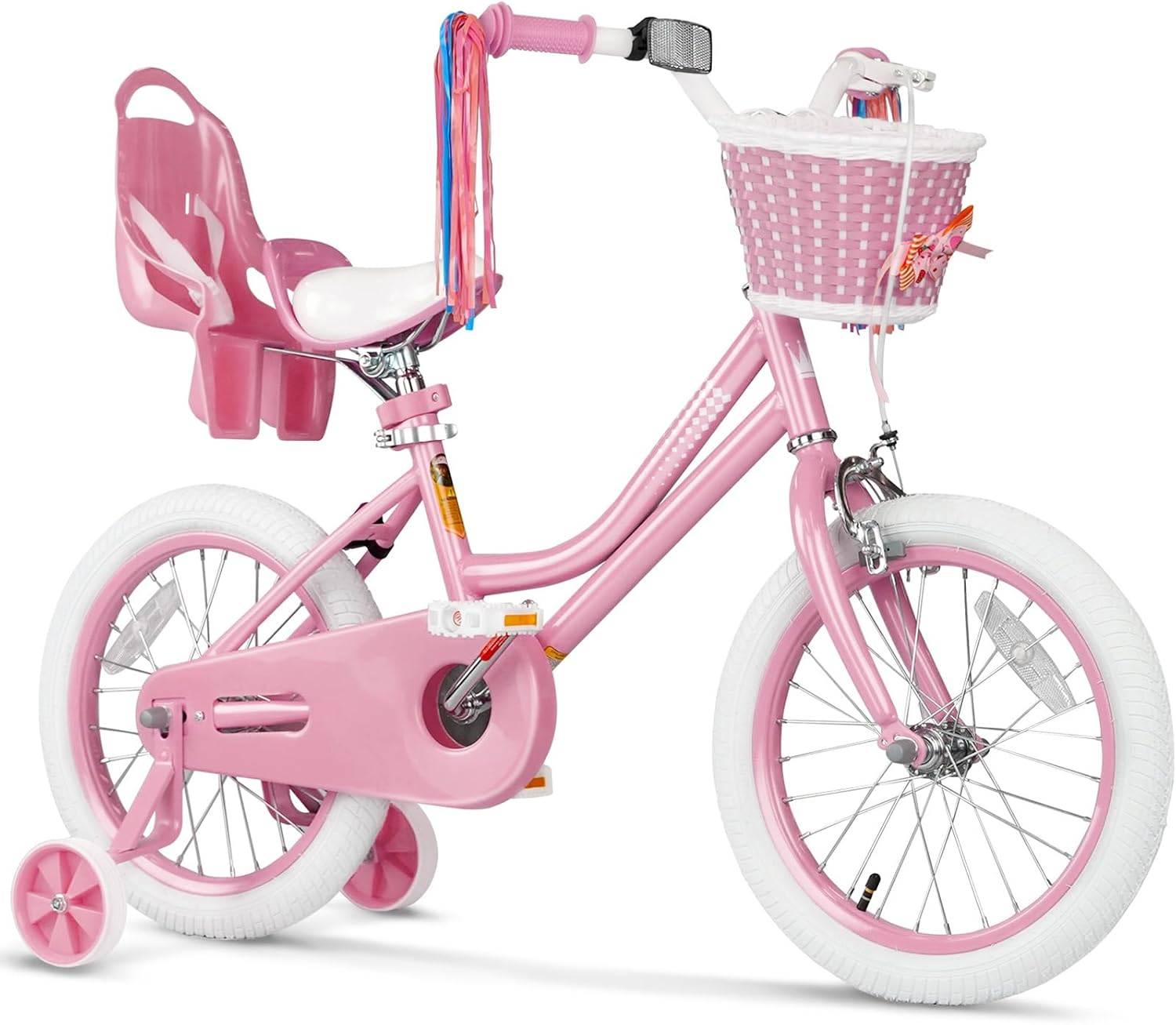 XJD Pink Girls' Bike – Kids 12/14/16 Inch Training Wheel Bicycle
A training-wheel bicycle offered in 12 Inch, 14 Inch and 16 Inch choices; relevant only when the child’s measurements and individual fit check support one of those sizes.
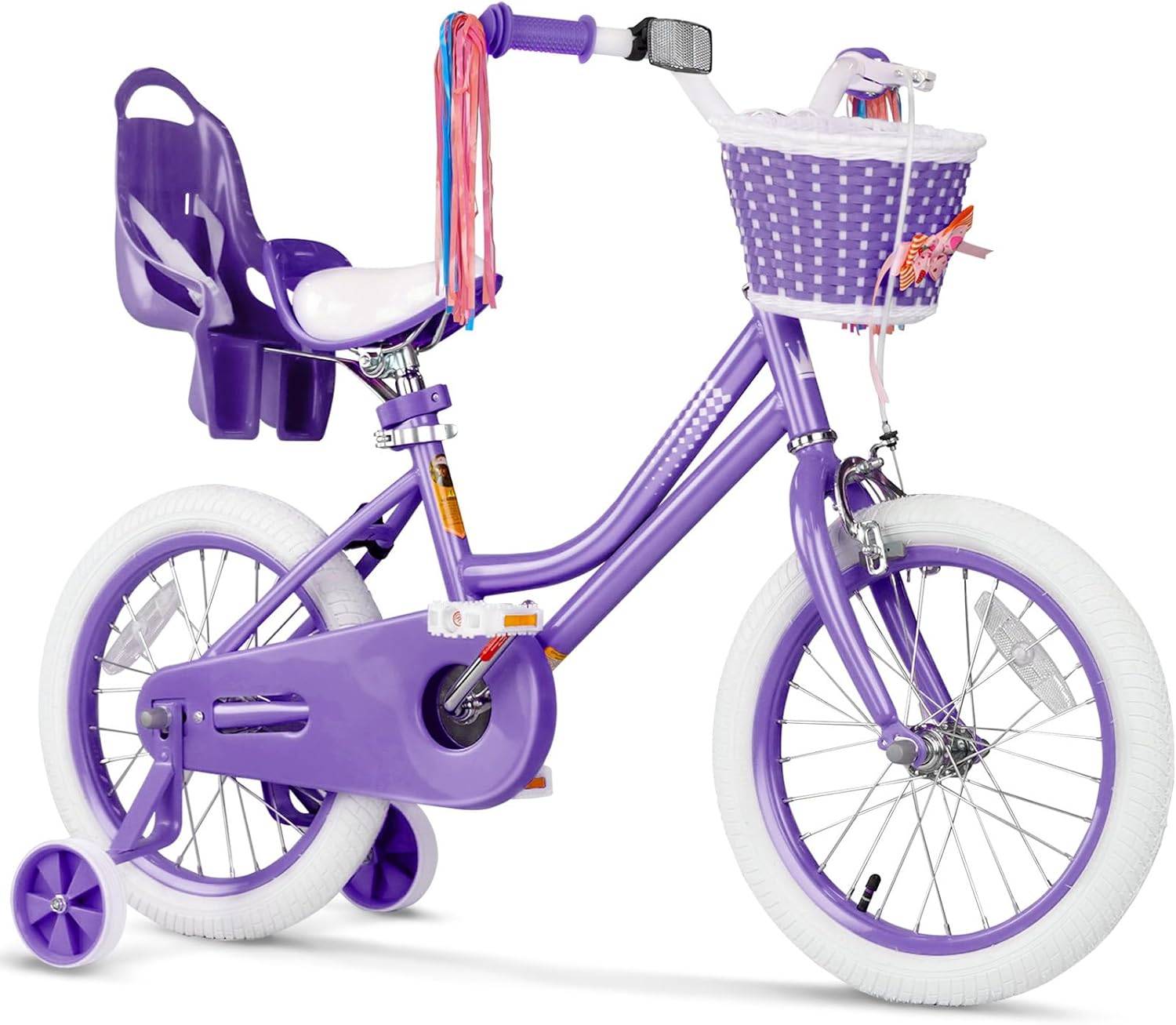 XJD Girls Bike for Kids Ages 3-8, 12/14/16 Inch with Training Wheels – Purple
This purple training-wheel bike has 12 Inch, 14 Inch and 16 Inch options. The age wording in its title is a catalog label, so confirm fit from measurements and an actual tryout.
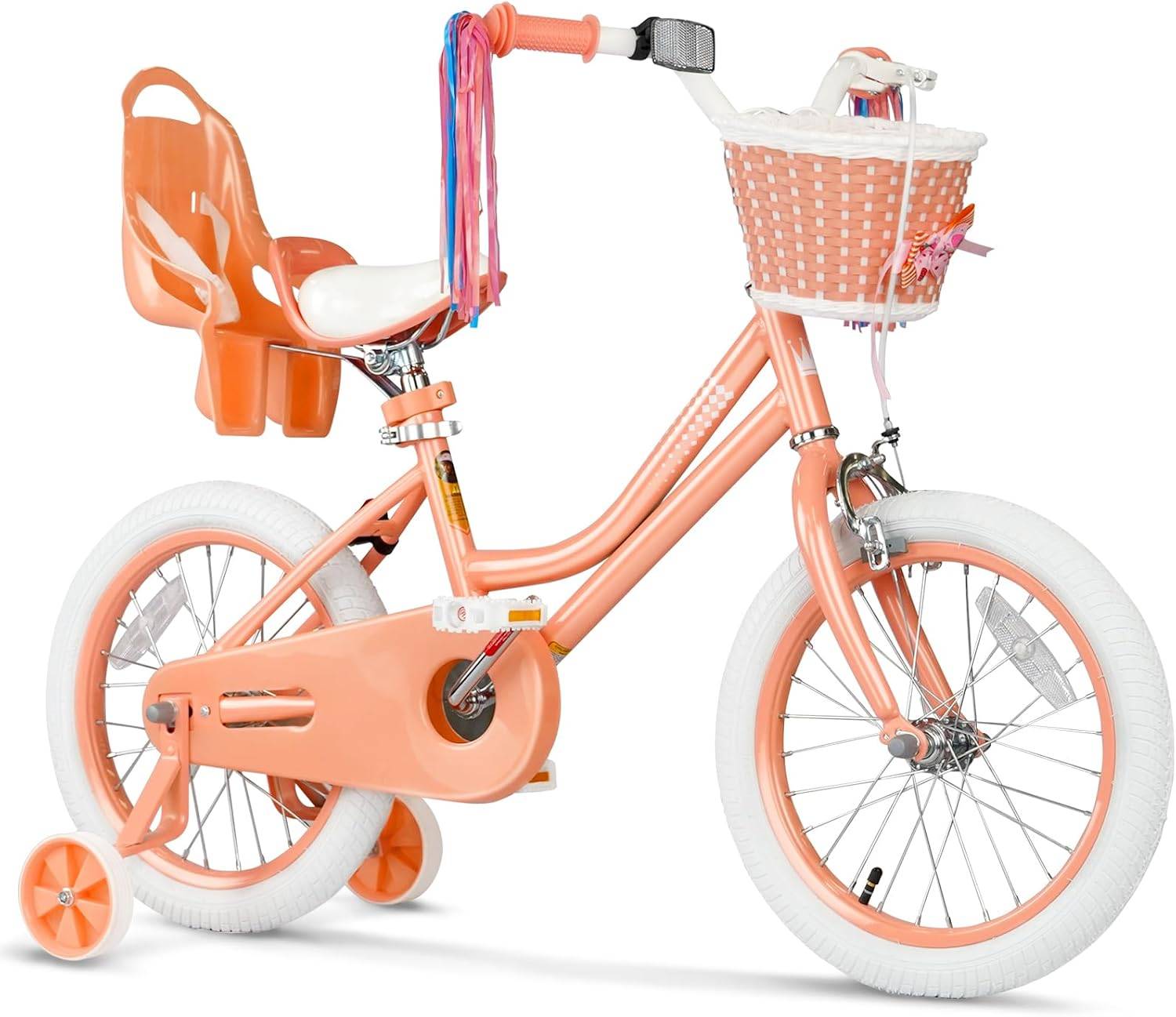 Girls 12/14/16 Inch Kids Bike by XJD with Training Wheels – Peach
A peach XJD training-wheel bike available in 12 Inch, 14 Inch and 16 Inch sizes. Compare the appropriate option only after checking the child’s height, inseam, reach and control.
XJD Pink Girls' Bike – Kids 12/14/16 Inch Training Wheel Bicycle, XJD Girls Bike for Kids Ages 3-8, 12/14/16 Inch with Training Wheels – Purple and Girls 12/14/16 Inch Kids Bike by XJD with Training Wheels – Peach share the same supplied size choices: 12 Inch, 14 Inch and 16 Inch. Their supplied catalog facts distinguish their titles and color descriptions, but provide no fit differences beyond those size labels.
The “Ages 3-8” wording in the second product’s exact title is a catalog label, not individual fit evidence. Apply the XBikes size table and perform the same height, inseam, reach, brake-control and confidence checks for every option.
Before the first two-wheel ride
- Choose a flat practice area away from traffic and obstacles.
- Use close adult supervision while the child practises starting, steering and controlled stopping.
- Fit a bicycle helmet that sits level and follows the helmet manufacturer’s strap instructions.
- Confirm assembly and adjustments against the exact bicycle manual; use a qualified bicycle mechanic when uncertain.
The decision is simple: measure the child, shortlist sizes from the table, and let the child try the actual bike. Choose a two-wheel bicycle only when the rider can stand over it, reach its controls and demonstrate confident steering and braking; otherwise, keep practising or reassess the size.
Bikes for your next adventure
-
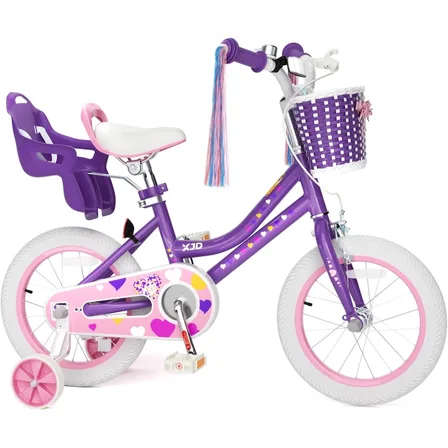
Purple XJD Girls' Bike with Doll Seat & Basket
For girls 71–122 cm tall (about ages 3–7), this XJD girls' bike in Purple pairs …$75.99
$99.99 -

XJD Boys 12/14/16" Training Wheel Bike – Blue
The XJD Boys Bike in Blue is a training wheel bike for riders 71–122 cm tall—rou…$169
$199 -
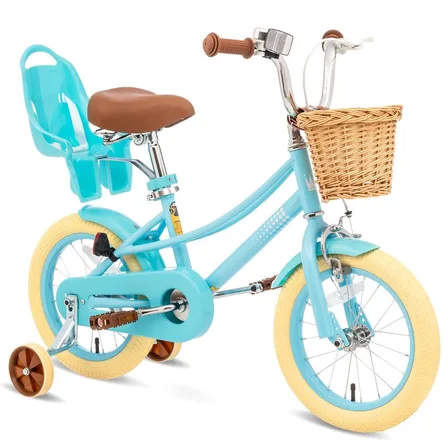
Girls' Training Wheel Bike by XJD, 12–20 Inch Wheels – Blue
This XJD girls' training wheel bike in Blue covers one of the widest fit ranges …$139
$159