

What age is a 16inch bike for
A 16-inch bike is usually for a child aged 4–7 who is 40–48 inches (102–122 cm) tall, but measured fit and control matter more than age.
Start with height, not the birthday
The XBikes age range is a starting point, not a guarantee. Children of the same age can differ considerably in height, leg length, reach and confidence. Measure the rider before choosing a wheel size, and have the child try the actual bicycle whenever possible.
For a 16-inch bike, first compare the child’s standing height with the 40–48 inch (102–122 cm) range. A four-year-old below that range may need a smaller option, while a seven-year-old above it may need the next size. Do not buy an oversized bicycle simply to leave room for growth; a bike that is difficult to stand over, steer or stop is not an appropriate fit now.
What to measure before shopping
- Standing height: Have the child stand straight without shoes against a wall. Measure from the floor to the top of the head, then compare the result with the XBikes 16-inch range.
- Inseam: With the child standing naturally, measure from the floor to the crotch. Compare this measurement with the bicycle maker’s stand-over or sizing information rather than assuming wheel diameter determines frame clearance.
- Reach: On the actual bike, check that the child can hold the handlebar and steer without stretching, locking the elbows or losing a stable seated position.
- Brake control: Confirm that the child can comfortably reach and operate the bicycle’s fitted brakes. Follow the exact product manual for brake adjustment, or ask a qualified bicycle mechanic.
How 16 inches compares with nearby sizes
| Wheel size | XBikes starting age | Rider height |
|---|---|---|
| 14 Inch | Ages 3–6 | 37–45 in / 94–114 cm |
| 16 Inch | Ages 4–7 | 40–48 in / 102–122 cm |
| 18 Inch | Ages 5–9 | 43–52 in / 109–132 cm |
The overlapping ranges are intentional starting points: height alone does not settle every borderline case. If a child falls within two ranges, compare the actual bikes. Choose according to stand-over clearance, natural reach, brake operation and the rider’s present confidence—not the larger number on the wheel.
Perform a practical fit check
Have the child stand over the bicycle and confirm that the frame does not prevent a comfortable, controlled stance. Then check mounting, starting, steering, stopping and getting off in a quiet area under close adult supervision. The child should remain in control without having to stretch for the handlebar or brake controls.
Confidence is part of fit. A rider who meets the height range but cannot start, steer or stop reliably may need more practice or a different size or setup. Conversely, age alone should not rule out a 16-inch bike when the child fits its height range and demonstrates comfortable control.
If assembly, adjustment, compatibility, maintenance, load limits or torque settings are uncertain, use the manual for the exact bicycle or consult a qualified bicycle mechanic. Those details vary and should not be guessed from wheel size.
Where the supplied XBikes option fits
The Blue XJD Girls Bike with Training Wheels – 12/14/16 Inch is relevant because its catalog options include 12 Inch, 14 Inch and the requested 16 Inch size. That makes its 16 Inch label the pertinent option for a rider who passes the individual fit check; the smaller labels are distinct choices, not equivalent substitutes. Its catalog category is Training Wheel Bikes, but training wheels do not replace checks for height, inseam, reach, braking and control.

Use the exact size label when comparing options. The product title’s wording is only a catalog title and does not establish fit. No supplied facts specify its dimensions beyond wheel-size labels, so confirm frame fit and operating details from the exact product information and manual.
Make the 16-inch decision
A 16-inch bike is a sensible candidate when the child is 40–48 inches (102–122 cm) tall, commonly age 4–7, and can comfortably stand over, reach, steer and operate the brakes on that specific bicycle. If any of those checks fail, compare an appropriately sized alternative rather than buying for future growth.
Complete the setup with a properly fitting bicycle helmet. It should sit level and its straps should be used according to the helmet manufacturer’s instructions. The next step is simple: measure the child, try the 16-inch bike, and choose it only if the rider can control it confidently today.
Bikes for your next adventure
-
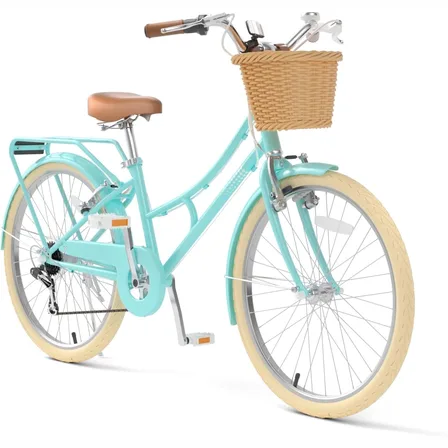
XJD Kids Beach Cruiser Bicycle, Rear Rack & V-Brakes, Mint Green
The XJD Beach Cruiser in Mint Green is a geared, multi-speed cruiser bike for ol…$179.99
$209.99 -

XJD Boys & Girls BMX Bike with Training Wheels, 12/14/16" – Blue
The XJD Boys & Girls BMX Bike in Blue is a first pedal bike for kids roughly age…$99.99
$119.99 -

XJD Pink Beach Cruiser for Girls – Rear Rack & V-Brake
The XJD Pink Beach Cruiser for girls is the step-up bike for riders who've outgr…$179.99
$209.99