

What do you call a kids bike without pedals
A kids’ bike without pedals is called a balance bike. It lets a child push with their feet, coast, steer and practise balance before using pedals.
What the name means when you shop
Look for the terms balance bike, pedal-free bike or sometimes run bike. The defining point is simple: the child moves the bike by walking or running while seated, rather than turning pedals.
A bike with training wheels is a different type. Training wheels support a bicycle from the sides, while a balance bike is intended to let the rider manage the bike’s balance directly. Check the actual product description and photographs instead of relying only on a broad “kids bike” category.
Measure the child before comparing sizes
Start with the child’s current height, then measure their inseam while they are wearing the shoes they will ride in. Have them stand straight with their feet slightly apart and measure from the floor to the crotch. The useful fit test is whether they can sit comfortably, place their feet securely on the ground, steer without stretching and control the bike with confidence.
For any bicycle, also check stand-over clearance, reach to the handlebar and access to the brake controls if fitted. Have the child try the bike whenever possible. Do not choose an oversized model merely to allow room for growth; difficult mounting, steering or stopping means the size is not suitable now.
Use wheel size only as a starting point
Wheel labels help narrow the search, but they do not establish fit by themselves. XBikes uses these age and height starting points:
| Wheel size | Age starting point | Rider height |
|---|---|---|
| 12 Inch | 3–4 | 34–40 in / 86–102 cm |
| 14 Inch | 3–6 | 37–45 in / 94–114 cm |
| 16 Inch | 4–7 | 40–48 in / 102–122 cm |
| 18 Inch | 5–9 | 43–52 in / 109–132 cm |
| 20 Inch | 7–12 | 48–60 in / 122–152 cm |
| 24 Inch | 10–14 | 54–64 in / 137–163 cm |
| 26 Inch | Youth and adults | Over 60 in / 153 cm |
Prioritise measured height, inseam, reach, brake control and current confidence over age. Two children of the same age can need different fits, and two bikes carrying the same wheel label can still feel different when tried.
How to check a pedal-free bike in person
- Seat the child: both feet should make secure contact with the ground, without forcing the rider onto tiptoes.
- Watch the posture: the child should not be cramped or stretched toward the handlebar.
- Check control: ask them to walk the bike, turn in both directions and stop using the intended controls.
- Check confidence: mounting, moving and stopping should look deliberate rather than precarious.
If fit, assembly, adjustments, load limits or component compatibility are uncertain, follow the exact product manual or ask a qualified bicycle mechanic. Do not improvise settings or hardware specifications.
Are the supplied XBikes products balance bikes?
The two supplied catalog choices are listed as Training Wheel Bikes, not balance bikes. They therefore do not directly answer a search for a pedal-free model. They become relevant if you are comparing a training-wheel route with a balance-bike route, or shopping for a later bicycle after the child is ready to move beyond a pedal-free bike.
These particular catalog options clarify that distinction and provide wheel-size choices to compare after the rider has been measured and individually fit-checked.
 XJD Kids Bike for Girls – Pink, 12/14/16/20 Inch with Training Wheels
A training-wheel bike offered in 12, 14, 16 and 20 Inch SKU labels. It is relevant as an alternative or later step, not as a catalog-confirmed pedal-free balance bike.
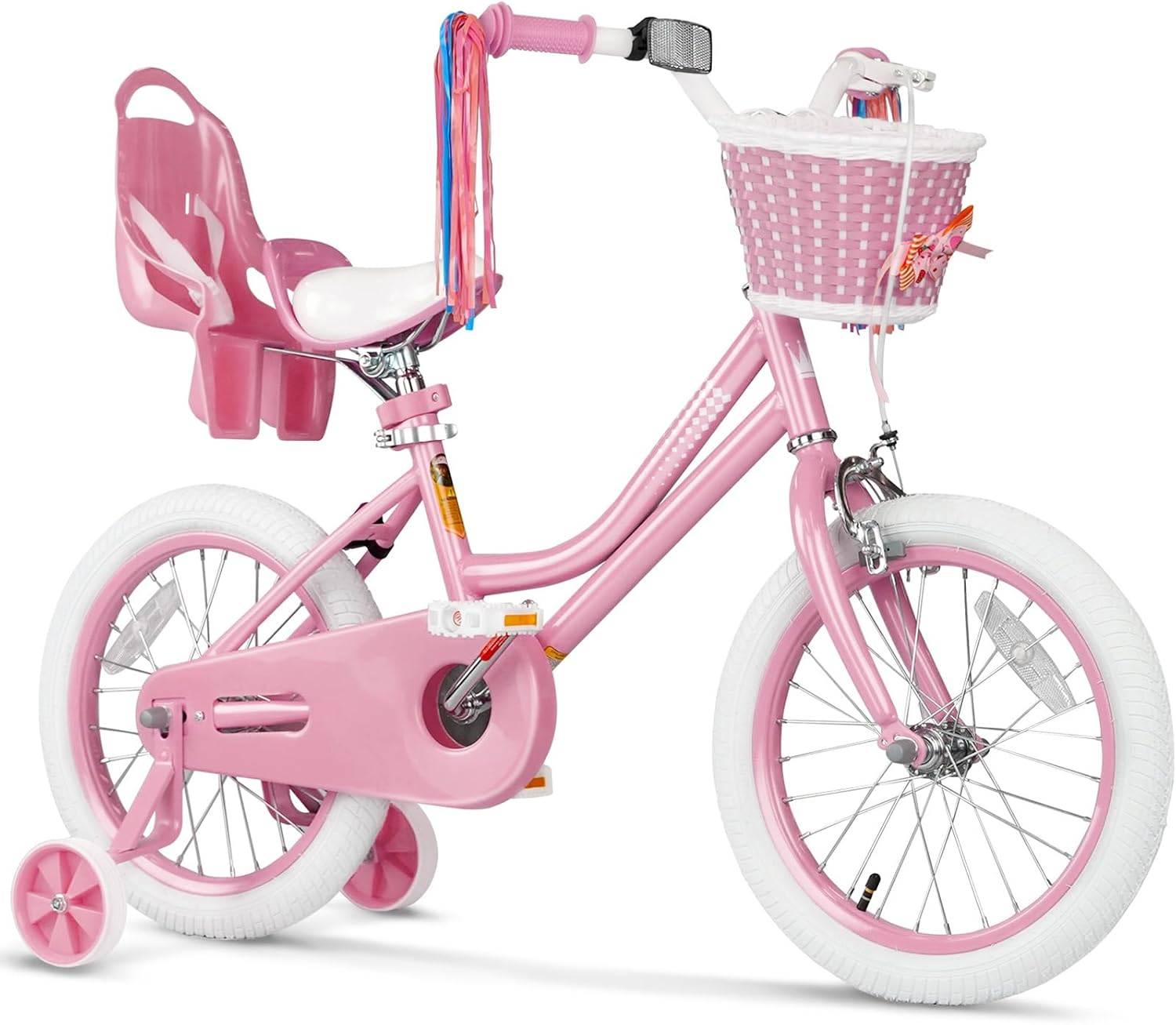 XJD Pink Girls' Bike – Kids 12/14/16 Inch Training Wheel Bicycle
A training-wheel bicycle offered in 12, 14 and 16 Inch SKU labels. Compare it only if training wheels are intended; its supplied facts do not identify it as a balance bike.
XJD Kids Bike for Girls – Pink, 12/14/16/20 Inch with Training Wheels is listed with 12, 14, 16 and 20 Inch SKU labels. That spread covers several XBikes height starting points, but the label selected must still match the child’s present fit and control.
XJD Pink Girls' Bike – Kids 12/14/16 Inch Training Wheel Bicycle is listed with 12, 14 and 16 Inch SKU labels. It is another training-wheel option rather than a catalog-confirmed balance bike. Any wording in the title is a catalog label, not evidence that a particular child fits it.
Neither listing supplies enough information here to compare price, weight, brakes, materials, assembly, stock or other specifications. Consult the exact listing and product manual for those details.
What to do next
If the goal is specifically a bike without pedals, search for a balance bike, measure height and inseam, and have the child perform the seated-foot, reach, turning and stopping checks. If you instead want training wheels, compare the two listed bicycles only within their supplied 12–20 Inch choices and choose by individual fit—not age or room to grow.
Whichever route you take, use a properly fitting bicycle helmet. It should sit level and its straps should be adjusted according to the helmet manufacturer’s instructions. The immediate decision is therefore clear: choose a balance bike for pedal-free practice; consider the supplied products only when a training-wheel bicycle is the intended alternative or next step.
Bikes for your next adventure
-
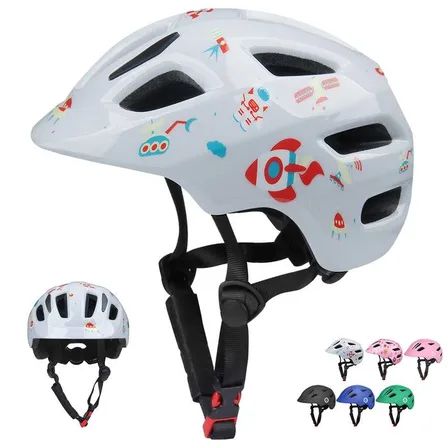
White Astronaut Bike Helmet for Kids by XJD – Toddler to Youth Sizes
4 reviews
The XJD White Astronaut kids' bike helmet is made for toddlers through younger e…$59.99
-
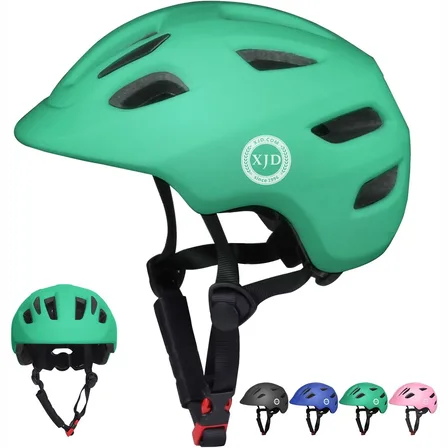
Green XJD Toddler Bike Helmet with Adjustable Fit, XS (46–51 cm)
The XJD toddler bike helmet in Green is built for the youngest riders — the size…$20.39
$23.99 -

Kids Bike Helmet by XJD for Boys & Girls – Black, Blue, Green, Pink, Purple
The XJD Kids Bike Helmet covers a wide 2-to-8-year age range thanks to two head-…$59.99