

What does 26 inch bike mean
A 26 inch bike is a bicycle built around a nominal 26-inch wheel size. The number describes the wheels, not the frame or the rider’s inseam, and it does not guarantee a good fit.
What the 26-inch label tells you
“26 inch” is primarily a wheel-size category. It does not mean that the complete bicycle is 26 inches tall, and it is not a direct measurement of seat height, frame size or rider reach. Two 26-inch bicycles can feel different because their frames and riding positions may differ.
Use the label to identify the general size class, then check the individual bicycle against the rider. For replacement tires, tubes, parts, assembly details or compatibility, follow the exact product manual or ask a qualified bicycle mechanic rather than relying on the phrase “26 inch” alone.
Who should start by considering a 26-inch bike?
The XBikes starting point for a 26-inch bicycle is youth and adults over 60 inches (153 cm) tall. This is an initial comparison, not a promise of fit. Age alone should not decide the size.
| Wheel size | XBikes starting point | How to use it |
|---|---|---|
| 24 Inch | Ages 10–14; height 54–64 in / 137–163 cm | Compare when the rider is near the transition and needs easier control or clearance. |
| 26 Inch | Youth and adults over 60 in / 153 cm | Try the actual bicycle and confirm stand-over, reach and brake control. |
The ranges overlap because height does not capture leg length, arm reach or confidence. A rider slightly over 60 inches may still control a particular 24-inch bicycle more comfortably. A rider within the 24-inch range should not be moved to 26 inches merely to leave room for growth.
What to measure before choosing
- Standing height: Measure the rider without shoes, standing straight against a wall. Compare the result with the XBikes starting points above.
- Inseam: Measure from the floor to the crotch while the rider stands naturally. Use that measurement when checking whether the rider can straddle the actual bicycle with comfortable clearance.
- Reach: With the rider seated in a normal position, check that the handlebar can be held without an uncomfortable stretch or locked elbows.
- Brake access: Confirm that the rider can reach and operate the brake controls securely while maintaining a steady grip.
Measurements narrow the search, but the decisive step is trying the bicycle. The rider should be able to mount, start, steer, stop and dismount without fighting the bike’s size.
How the supplied XBikes options clarify the choice
The Pink XJD Beach Cruiser Bike, 24"/26", U-Brake is relevant because its catalog lists separate 24 Inch and 26 Inch options. That makes it a direct comparison point for a rider near the size transition, while still requiring an individual fit check.

Choose its 26 Inch option only if the rider’s measured height supports that starting point and the actual bicycle provides suitable stand-over clearance, reach and brake control. The 24 Inch option is not equivalent to 26 Inch; it is a distinct size to compare when the rider falls within the 54–64 inch (137–163 cm) starting range or controls the smaller option more confidently.
The catalog identifies this model as a beach cruiser bike and includes “U-Brake” in its exact title. It does not supply frame geometry, adjustment limits, load limits or detailed assembly information here. Consult the exact manual or a qualified bicycle mechanic for those matters.
Run a practical fit check
- Have the rider straddle the bicycle and confirm comfortable clearance rather than contact with the frame.
- Check that mounting and dismounting are controlled, without excessive leaning or tiptoeing.
- Confirm that the handlebar and controls are reachable without an awkward stretch.
- Ask the rider to demonstrate smooth steering and braking in a suitable low-risk area.
- Notice confidence: hesitation caused by the bicycle feeling tall, heavy or difficult to stop is a reason to compare the smaller size.
Do not buy an oversized bicycle solely so a child can grow into it. A bicycle that cannot be controlled now is the wrong current size, even if its age label or wheel category appears plausible.
What to do after selecting the size
Follow the product manual for assembly, adjustments and maintenance, or use a qualified bicycle mechanic where instructions or compatibility are uncertain. Before riding, provide a bicycle helmet that fits properly, sits level and has straps adjusted according to the helmet manufacturer’s instructions.
For the title question, the decision is simple: treat “26 inch” as the wheel-size class, measure the rider, compare the 60-inch (153 cm) height starting point, and buy only after the rider proves comfortable stand-over, reach, braking and control on that exact bicycle.
Bikes for your next adventure
-
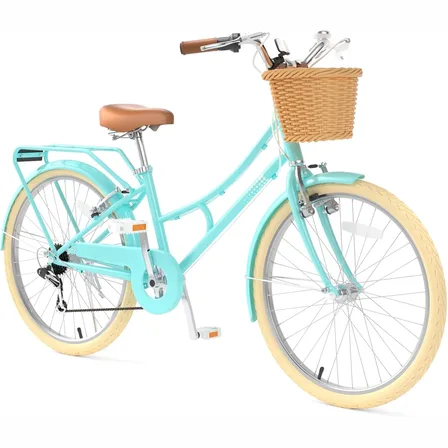
XJD 24-Inch Green Beach Cruiser Bike with U-Brake
This XJD 24-inch beach cruiser in green is made for riders about 4'8" to 5'4" ta…$159.99
$199.99 -

Kids Bike Helmet by XJD for Girls – Pink
The XJD Kids Bike Helmet in Pink is a lightweight multi-sport helmet for girls r…$59.99
$99 -
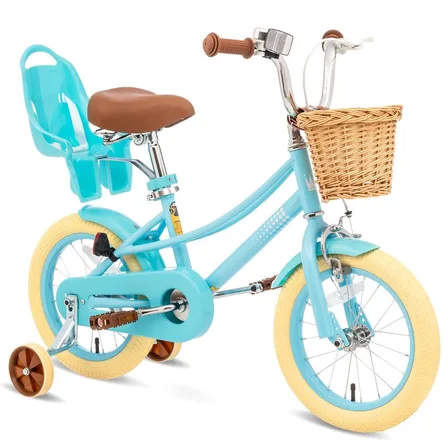
Girls' Training Wheel Bike by XJD, 12–20 Inch Wheels – Blue
This XJD girls' training wheel bike in Blue covers one of the widest fit ranges …$139
$159