

What does a 15 inch bike mean
A 15 inch bike usually means a bicycle identified by a 15-inch wheel or frame measurement, but those measurements are not interchangeable. For a child, confirm what the seller measured, then compare the rider’s height, inseam, reach, brake control and confidence with the actual bicycle.
First confirm what “15 inch” describes
On a children’s bicycle listing, the size often refers to the approximate wheel diameter. On some bicycles, however, an inch measurement describes the frame. A 15-inch wheel and a 15-inch frame are entirely different size descriptions, so the number alone cannot establish fit.
Check the listing, packaging or exact product manual for wording such as wheel size or frame size. If the description remains unclear, ask the seller or manufacturer before ordering. Do not infer the measurement from a photo or treat nearby labeled sizes as equivalent.
Measure the child before comparing sizes
Measure the rider without shoes, standing straight against a wall. Record total height from the floor to the top of the head. Then measure inseam from the floor to the crotch using a book held level between the legs to approximate where the saddle meets the body.
Height provides a useful starting range; inseam helps you assess stand-over clearance and the practical saddle position. Age is only a rough reference because children of the same age can have very different proportions and confidence.
Where 15 inches sits in the XBikes starting points
XBikes does not provide a separate 15-inch row. If “15 inch” means wheel size, it falls numerically between the 14-inch and 16-inch starting points, but it is not automatically interchangeable with either one.
| Wheel label | Starting age | Starting rider height |
|---|---|---|
| 12 Inch | 3–4 | 34–40 in / 86–102 cm |
| 14 Inch | 3–6 | 37–45 in / 94–114 cm |
| 16 Inch | 4–7 | 40–48 in / 102–122 cm |
| 18 Inch | 5–9 | 43–52 in / 109–132 cm |
Do not create a 15-inch fit range by averaging the 14-inch and 16-inch figures. Bicycle geometry can vary even when wheel labels are close. Use the child’s measured height to identify plausible options, then require an individual fit check.
What a successful fit check looks like
Have the child try the bicycle whenever possible. The American Academy of Pediatrics advises against buying an oversized bicycle merely for future growth. During the check, look for four practical signs:
- The child can stand over the bicycle with usable clearance rather than being pressed against it.
- The handlebars are within comfortable reach without an exaggerated stretch or locked arms.
- The child can operate the brakes reliably with the controls fitted to that bicycle.
- The child can start, steer, stop and dismount with control at their current confidence level.
A size chart cannot override difficulty with any of these actions. If the saddle, controls or other components require adjustment, follow the exact product manual or ask a qualified bicycle mechanic; do not guess at compatibility or torque.
How the supplied product helps with the comparison
The Black XJD Kids' BMX Bicycle with Training Wheels is listed as a Kids' BMX Bike with 12 Inch, 14 Inch and 16 Inch SKU labels. Because no 15 Inch SKU is supplied, these are nearest-size comparison points, not 15-inch substitutes. They help you compare the two adjacent catalog labels after measuring the rider, while the 12 Inch option provides a smaller reference.
These particular catalog options make the title’s ambiguity easier to resolve: they show that nearby wheel-size labels are separate choices and should be evaluated individually rather than rounded up or down.
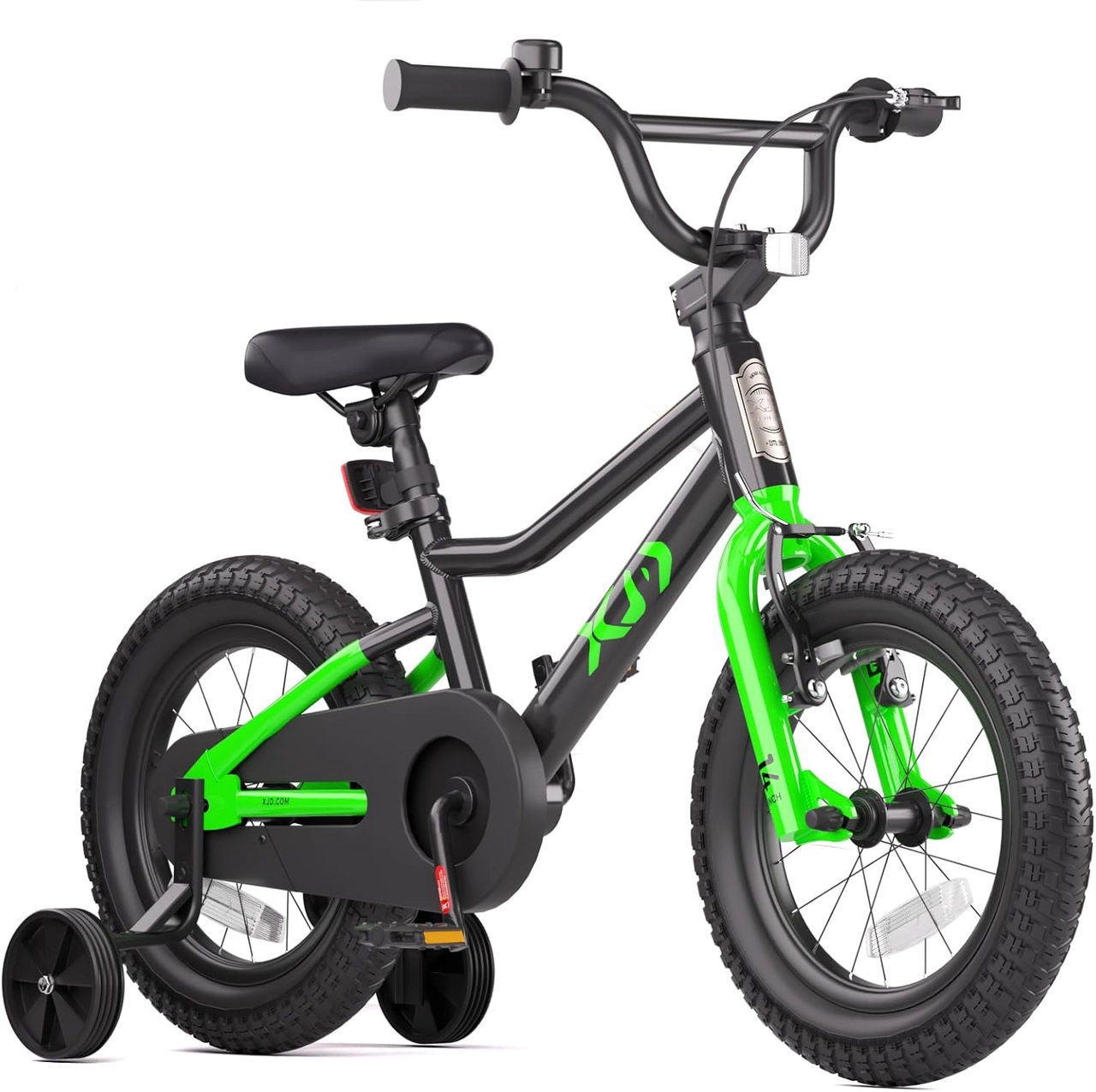
The presence of training wheels in the exact product title does not prove that any SKU fits a particular child. No supplied facts establish dimensions beyond the SKU labels, so confirm stand-over, reach and brake access on the selected configuration.
Make the 15-inch decision
If the original “15 inch” refers to a frame, stop comparing it with children’s wheel-size labels and obtain the bicycle’s geometry and a hands-on fit check. If it refers to a wheel, measure the child, compare the 14 Inch and 16 Inch XBikes starting points without averaging them, and choose only after the rider demonstrates comfortable clearance and control.
Whichever bicycle fits, add a properly fitting bicycle helmet. It should sit level and its straps should be used according to the helmet manufacturer’s instructions. The next step is therefore specific: identify what the 15 inches measures, record height and inseam, and reject any option the child cannot comfortably stand over, reach, brake and control.
Bikes for your next adventure
-
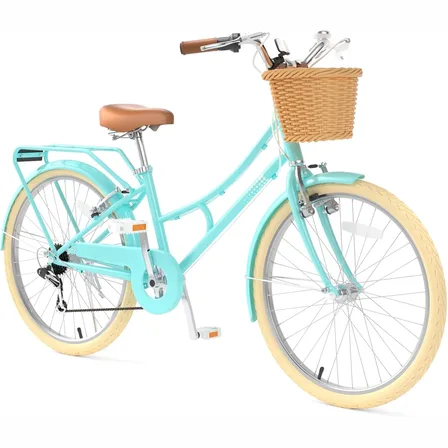
XJD 24-Inch Green Beach Cruiser Bike with U-Brake
This XJD 24-inch beach cruiser in green is made for riders about 4'8" to 5'4" ta…$159.99
$199.99 -

Kids Bike Helmet by XJD for Girls – Pink
The XJD Kids Bike Helmet in Pink is a lightweight multi-sport helmet for girls r…$59.99
$99 -
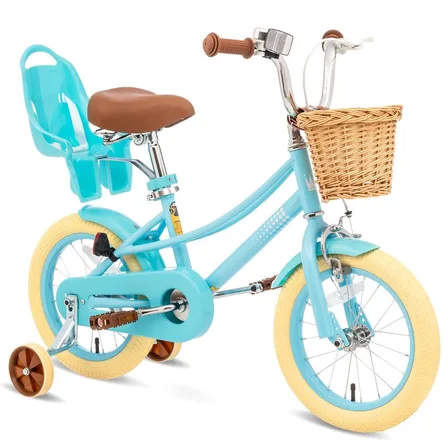
Girls' Training Wheel Bike by XJD, 12–20 Inch Wheels – Blue
This XJD girls' training wheel bike in Blue covers one of the widest fit ranges …$139
$159