

What is 24inch and 26inch bike means
A 24-inch or 26-inch bike is named for its wheel size, not its frame size or the rider’s inseam. A 24-inch bike is generally for shorter youth riders; a 26-inch bike is generally for taller youth and adults. Measure the rider and check the actual bicycle before choosing.
What the two numbers mean
“24 inch” and “26 inch” describe nominal wheel-size categories. The two-inch difference does not tell you the bicycle’s stand-over height, saddle range, handlebar reach or overall fit. Those details can vary between bicycles even when the wheel label is the same.
Do not choose 26 inches simply because a child will grow. An oversized bicycle can make starting, stopping, steering and reaching the brakes harder. The useful question is not which number sounds more future-proof, but which complete bicycle the rider can control confidently now.
Start with measured rider height
| Wheel size | XBikes age starting point | XBikes rider-height starting point |
|---|---|---|
| 24 Inch | Ages 10–14 | 54–64 in / 137–163 cm |
| 26 Inch | Youth and adults | Over 60 in / 153 cm |
These ranges overlap: a rider between 60 and 64 inches may encounter both categories. That does not mean both will fit equally well. Age is only a starting point, and measured height is more useful. Individual inseam, reach, brake control and current confidence must decide the final fit.
Measure height without shoes, with the rider standing straight against a wall. Measure inseam from the floor to the crotch while the rider stands naturally. Use those measurements when checking the manufacturer’s guidance for the exact bicycle; do not convert the wheel number into an assumed inseam or frame measurement.
Try the complete bicycle
Have the rider try the exact bike whenever possible. The American Academy of Pediatrics’ guidance emphasizes trying the bicycle, avoiding an oversized purchase for growth, and checking stand-over clearance, control and brake reach.
- Stand over it: The rider should be able to straddle the bicycle without the frame preventing a stable stance. Confirm the required clearance in the exact product manual.
- Check seated position: Adjust the saddle only within the bicycle’s permitted range. The rider should be balanced and able to start and stop without panic or awkward stretching.
- Check reach: Hands should reach the handlebar naturally, without the torso being pulled too far forward.
- Check the brakes: The rider must be able to reach and operate the brake controls reliably while maintaining steering control.
- Observe confidence: Ask for controlled starts, turns and stops in a traffic-free area. A rider who becomes less controlled on the larger bike is not ready for that fit.
How to compare 24-inch and 26-inch options
If the rider is 54–60 inches tall, the 24-inch starting range is the relevant first comparison. If the rider is over 64 inches, the 26-inch category is the more relevant starting point. From 60–64 inches, compare both actual bicycles and favor the one that provides better stand-over position, natural reach, dependable brake use and calm control.
A 26-inch label is not proof that every 26-inch model fits every person over 60 inches. Likewise, being within the 24-inch height range does not prove that every 24-inch frame will suit the rider. Frame shape and adjustment range must be checked on the exact model. Follow its manual for assembly, maintenance, load limits, component compatibility and torque; where anything is uncertain, use a qualified bicycle mechanic.
What the supplied catalog option shows
The 26-Inch XJD Beach Cruiser Bike for Girls – Purple, V-Brake is relevant because its supplied options include both 24-inch and 26-inch labels in Mint Green and Pink, plus Purple / 26 Inch. That makes its catalog choices useful comparison points for the two wheel-size categories in the title, but each option remains a distinct size and color selection. The title identifies the Purple, V-Brake 26-inch version; it does not establish fit for an individual rider.

Use the displayed options to identify the intended wheel-size label, then confirm the chosen variant and assess the rider on that exact bicycle. Do not assume the 24-inch and 26-inch variants share identical frame dimensions, adjustment ranges or riding position unless the exact product information says so.
Make the final decision
Choose 24 inches when the rider falls near the 24-inch starting range and controls that exact bike better. Consider 26 inches for a rider over 60 inches only after confirming stand-over position, reach, brake operation and confident handling. If neither bicycle can be tried, compare the rider’s height and inseam with the exact manufacturer guidance and avoid sizing up on guesswork.
Before riding, add a properly fitted bicycle helmet. U.S. Consumer Product Safety Commission guidance says it should sit level and its straps should be used according to the helmet manufacturer’s instructions. The next step is simple: measure height and inseam, compare the relevant 24-inch and 26-inch bicycles, and select only the size the rider can control today.
Bikes for your next adventure
-
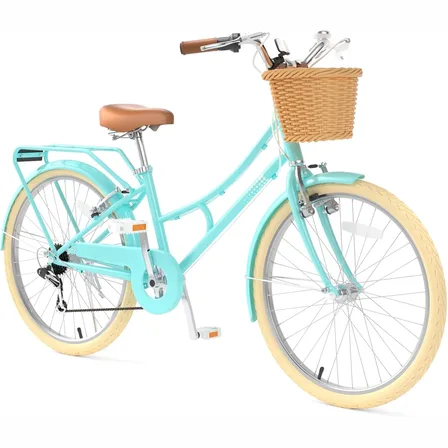
XJD 24-Inch Green Beach Cruiser Bike with U-Brake
This XJD 24-inch beach cruiser in green is made for riders about 4'8" to 5'4" ta…$159.99
$199.99 -

26-Inch XJD Beach Cruiser Bike for Girls – Purple, V-Brake
This XJD 26-inch purple beach cruiser is sized for big kids and teens — suggeste…$218.49
$229.99 -
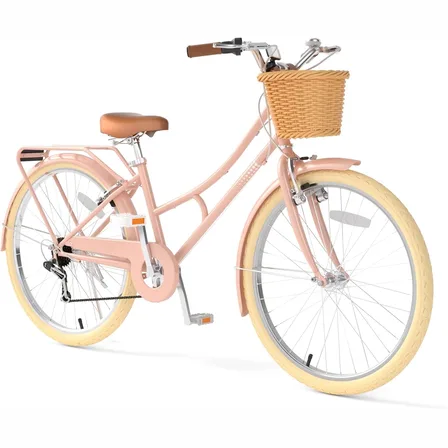
Pink XJD Beach Cruiser Bike, 24"/26", U-Brake
The XJD Pink Beach Cruiser Bike is a single-speed cruiser built for older kids a…$159.99