

What is 26 inch bike
A 26-inch bike is a bicycle built around the 26-inch wheel-size category. It is generally a starting point for youth and adults over 60 in (153 cm), but the rider must still check fit and control before choosing it.
What “26 inch” tells you
The label describes the bike’s nominal wheel size, not the frame size, seat height or rider height. Two 26-inch bicycles can therefore feel different because their frame geometry and adjustment ranges may differ. Confirm the size from the bicycle’s exact SKU label and product manual rather than judging it with a tape measure across an inflated tire.
For fit, measure the rider—not just the bicycle. Record the rider’s height without shoes and measure the inseam from the floor to the crotch while the rider stands straight. Height gives a useful starting point; inseam helps you assess clearance when the actual bicycle is available.
Is a 26-inch bike the right starting size?
XBikes places 26-inch bikes in the “youth and adults over 60 in / 153 cm” range. This is a starting point, not a guarantee. Age alone should not determine the choice, and a rider near the boundary should compare actual bicycles rather than automatically moving up.
| Wheel size | XBikes starting point | How to use it |
|---|---|---|
| 20 Inch | Ages 7–12; 48–60 in / 122–152 cm | A smaller comparison for riders below the 26-inch height starting point |
| 24 Inch | Ages 10–14; 54–64 in / 137–163 cm | An important comparison near the overlap in rider height |
| 26 Inch | Youth and adults over 60 in / 153 cm | Consider only after checking stand-over, reach, braking and confidence |
A rider slightly over 60 inches may still control a 24-inch model more comfortably, while another rider of similar height may fit a particular 26-inch model. Do not buy an oversized bicycle merely to allow room for growth.
What to check on the actual bike
Have the rider try the bicycle in a controlled setting. Make these checks with help from the exact product manual or a qualified bicycle mechanic where adjustment or assembly is involved:
- Stand-over: With the rider straddling the bicycle, check that there is comfortable clearance and that the rider does not feel trapped by the frame.
- Starting and stopping: The rider should be able to mount, begin riding and stop without struggling to manage the bicycle’s size.
- Reach: The handlebar position should not force an excessive stretch or make steering awkward.
- Brake control: The rider must be able to reach and operate the brake controls reliably while maintaining a secure grip.
- Confidence: Watch for controlled turns, steady low-speed riding and calm stops. Visible fear or loss of control means the nominal size is not enough evidence of a suitable fit.
Do not improvise adjustment limits, assembly steps, compatibility rules or torque settings. Follow the manual for the exact model, or ask a qualified bicycle mechanic.
How the supplied 26-inch options help
These three beach cruiser bicycles are relevant because each has a supplied 26-inch SKU label, while their smaller labels also provide useful comparison points. They help you compare the requested wheel-size category without assuming every 26-inch frame fits identically.
 Pink XJD Beach Cruiser Bike, 24"/26", U-Brake
Available in 24 Inch and 26 Inch labels, this beach cruiser provides a direct nearest-size comparison. Its catalog title specifies a U-brake, but individual stand-over, reach and control still determine fit.
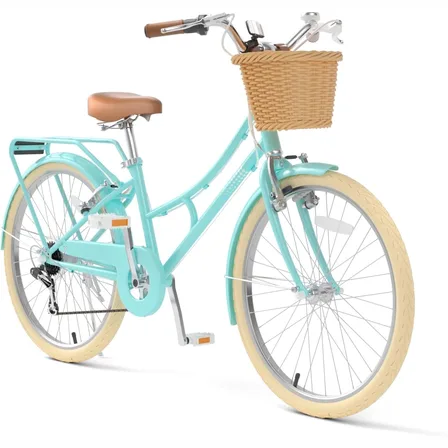
 XJD Kids Beach Cruiser Bicycle, Rear Rack & V-Brakes, Mint Green
This mint green beach cruiser has 20 Inch, 24 Inch and 26 Inch labels, making it useful for size comparison. Its supplied title identifies a rear rack and V-brakes; those features do not establish rider fit.
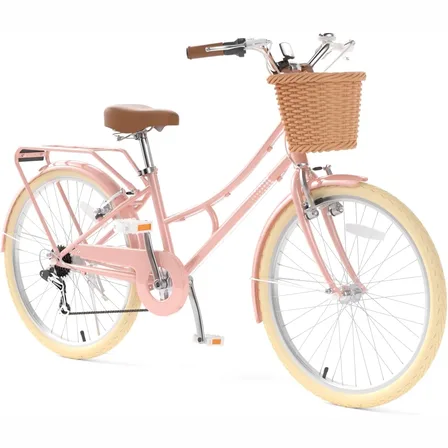
 XJD Pink Beach Cruiser for Girls – Rear Rack & V-Brake
Offered with 20 Inch, 24 Inch and 26 Inch labels, this beach cruiser supports comparison across nearby sizes. Its catalog title identifies a rear rack and V-brake, while fit still requires rider measurements and a try-on.
Pink XJD Beach Cruiser Bike, 24"/26", U-Brake is offered with 24 Inch and 26 Inch labels. It allows a direct comparison between those two nominal wheel sizes and is identified in the catalog with a U-brake.
XJD Kids Beach Cruiser Bicycle, Rear Rack & V-Brakes, Mint Green has 20 Inch, 24 Inch and 26 Inch labels. Its catalog title identifies a rear rack and V-brakes, but neither feature establishes rider fit.
XJD Pink Beach Cruiser for Girls – Rear Rack & V-Brake also has 20 Inch, 24 Inch and 26 Inch labels. Its title identifies a rear rack and V-brake. Any age-related interpretation suggested by catalog wording must not replace the rider’s measurements and an individual fit check.
All three are relevant 26-inch options, but their labels do not prove equal geometry, adjustment range or compatibility. Use the exact SKU and manual when checking a particular bicycle.
Safety before the first ride
Fit the bicycle before planning for future growth. Then provide a properly fitting bicycle helmet. It should sit level and its straps should be adjusted according to the helmet manufacturer’s instructions. A helmet does not correct a bicycle that is too large or difficult for the rider to control.
Before use, follow the bicycle’s exact manual for assembly and maintenance. If the instructions are unclear, parts do not operate as described, or brake setup needs adjustment, use a qualified bicycle mechanic rather than inventing a procedure.
Your 26-inch decision
Measure the rider’s height and inseam first. If the rider is over 60 in (153 cm), compare the actual 26-inch bicycle with a 24-inch option where practical. Choose 26 inches only when the rider has comfortable stand-over clearance, an easy reach, reliable brake control and confident starts, turns and stops.
Bikes for your next adventure
-

26-Inch XJD Beach Cruiser Bike for Girls – Purple, V-Brake
This XJD 26-inch purple beach cruiser is sized for big kids and teens — suggeste…$218.49
$229.99 -
XJD Kids Beach Cruiser Bicycle, Rear Rack & V-Brakes, Mint Green
The XJD Beach Cruiser in Mint Green is a geared, multi-speed cruiser bike for ol…$179.99
$209.99 -
XJD Pink Beach Cruiser for Girls – Rear Rack & V-Brake
The XJD Pink Beach Cruiser for girls is the step-up bike for riders who've outgr…$179.99
$209.99