

When buy first kids bike
Buy a first kids bike when your child fits an available wheel size, can comfortably reach the controls, and wants to practise—not simply at a certain birthday.
Measure your child before choosing
Start with current rider height and inseam. Measure height without shoes, standing straight against a wall. For inseam, have the child stand naturally while you measure from the floor to the crotch. Keep both measurements with you when comparing bicycles.
Age can suggest where to begin, but it cannot confirm fit. Use these XBikes wheel-size starting points, then have the child try the actual bicycle:
| Wheel size | Starting age | Rider height |
|---|---|---|
| 12 Inch | Ages 3–4 | 34–40 in / 86–102 cm |
| 14 Inch | Ages 3–6 | 37–45 in / 94–114 cm |
| 16 Inch | Ages 4–7 | 40–48 in / 102–122 cm |
| 18 Inch | Ages 5–9 | 43–52 in / 109–132 cm |
| 20 Inch | Ages 7–12 | 48–60 in / 122–152 cm |
| 24 Inch | Ages 10–14 | 54–64 in / 137–163 cm |
| 26 Inch | Youth and adults | Over 60 in / 153 cm |
Overlapping ranges are normal. If your child falls within more than one range, compare the real bikes rather than automatically choosing the larger wheels.
Check the fit on the actual bike
A first bike is ready to buy only if the child can stand over it, mount and dismount without struggling, and hold the riding position without excessive stretching. Check that steering feels manageable and that the child can reach and operate the brakes and other controls provided on the bicycle.
Ask the child to show that they can start, stop and turn under close supervision. Their current confidence matters: a technically possible fit may still be too intimidating for a new rider. Do not buy an oversized bicycle for future growth. A bike that is difficult to control now is not made suitable by the promise that the child will grow into it.
Decide whether training wheels are relevant
The three supplied catalog choices are all training-wheel bikes offered in 12 Inch, 14 Inch, 16 Inch and 20 Inch labels. They help when your comparison includes those sizes and you specifically want to evaluate a training-wheel format; they do not cover 18 Inch, 24 Inch or 26 Inch requirements.
These particular catalog options make the decision easier by letting you compare three color and title variants across the same listed wheel-size labels.
 Girls' Training Wheel Bike by XJD, 12–20 Inch Wheels – Blue
A blue training-wheel bike offered with 12 Inch, 14 Inch, 16 Inch and 20 Inch SKU labels; relevant when one of those sizes passes the child's individual fit check.
 XJD Girls' Bike with Training Wheels, 12/14/16/20 Inch – Purple
A purple Training Wheel Bikes option available in 12 Inch, 14 Inch, 16 Inch and 20 Inch labels for families comparing a verified fit within those listed sizes.
 XJD Kids Bike for Girls – Pink, 12/14/16/20 Inch with Training Wheels
A pink training-wheel model with 12 Inch, 14 Inch, 16 Inch and 20 Inch SKU labels; consider it only after checking the rider's measurements, reach and control.
- Girls' Training Wheel Bike by XJD, 12–20 Inch Wheels – Blue is listed in the Training Wheel Bikes category with 12 Inch, 14 Inch, 16 Inch and 20 Inch SKU labels.
- XJD Girls' Bike with Training Wheels, 12/14/16/20 Inch – Purple is another Training Wheel Bikes option with the same four available size labels and a purple catalog designation.
- XJD Kids Bike for Girls – Pink, 12/14/16/20 Inch with Training Wheels provides the same listed size choices in a pink catalog variant.
Color and title wording do not establish fit. Select the wheel-size label that matches the measured starting range, then verify the individual bike's stand-over, reach, brake control and overall handling with the child.
Compare what matters before purchasing
Once you have narrowed the wheel size, compare the child's position and control on each candidate. Use this order:
- Confirm measured height is within the relevant starting range.
- Check inseam against the bicycle's actual stand-over and mounting experience.
- Watch the child's reach to the handlebar and controls.
- Confirm the brakes can be reached and operated comfortably.
- Let current balance skills and confidence guide whether training wheels suit the first-bike stage.
If assembly, adjustment, compatibility, maintenance, load limits or torque information affects the choice, follow the exact product manual or ask a qualified bicycle mechanic. Do not assume that instructions from another model apply.
Prepare for the first ride
Include a properly fitting bicycle helmet in the purchase decision. It should sit level and its straps should be used according to the helmet manufacturer's instructions. Recheck the fit rather than treating a helmet as suitable merely because its general size label looks right.
Choose a controlled practice area away from traffic and obstacles, and supervise the child while they learn how the bicycle responds. Before riding, follow the bicycle's exact manual for assembly and pre-ride requirements; use a qualified bicycle mechanic if anything is unclear.
Make the buying decision
Buy now if your child's measurements identify a starting wheel size, the actual bicycle passes the stand-over, reach and brake checks, and the child is ready to practise. Wait or compare another size if control is strained, confidence drops, or you are tempted to size up for growth. For the supplied products, continue only when 12 Inch, 14 Inch, 16 Inch or 20 Inch is the individually verified fit and training wheels match your child's current learning needs.
Bikes for your next adventure
-
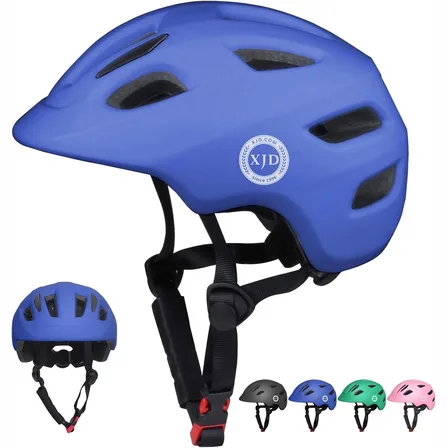
Blue XJD Kids' Bike Helmet, Adjustable Fit – Sizes XS & S
The Blue XJD Kids' Bike Helmet is a lightweight, adjustable helmet for toddlers …$20.39
-

Kids Bike Helmet by XJD for Boys & Girls – Black, Blue, Green, Pink, Purple
The XJD Kids Bike Helmet covers a wide 2-to-8-year age range thanks to two head-…$59.99
-
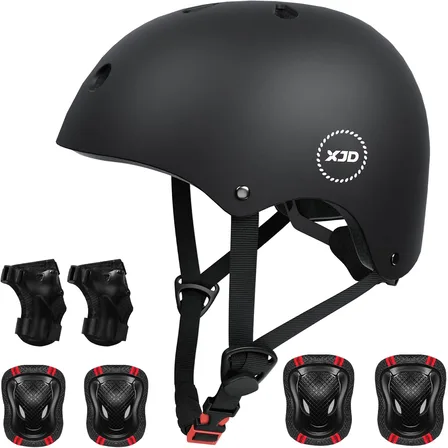
XJD Kids Helmet & Pad Set – Black, S/M/L
This XJD Kids Helmet & Pad Set in Black is designed for kids aged 3 to 8, pairin…$23.79
$27.99