

When can a baby go on a bike
A baby should not ride a bicycle independently. For riding as a passenger, wait until the child can sit unsupported, hold their head steady while wearing a properly fitted helmet, and meet every requirement in the child seat or trailer manual. If there is any doubt about neck control, development or helmet use, ask the child’s pediatrician before riding.
There is no single birthday that makes a baby ready
Readiness depends on the individual child and the equipment being used. Age alone cannot show whether a baby can maintain a stable seated posture through starts, stops, turns and bumps. A child who slumps, cannot keep the helmeted head upright or does not fit the restraint is not ready.
Check the passenger equipment’s stated minimum developmental requirements, dimensions and load limits. Those details vary, so follow the exact product manual rather than borrowing a rule from another seat or trailer. Confirm bicycle compatibility and installation instructions as well. When compatibility, assembly or torque information is unclear, use a qualified bicycle mechanic.
What to measure and compare before the first ride
Measure the child as directed by the passenger-equipment manufacturer, then compare those measurements with its permitted fit range. Do not estimate from clothing size or assume that a restraint can compensate for poor fit.
- Posture: Can the child sit unsupported without tipping or slumping?
- Head control: Can the child keep their head steady with the helmet on?
- Restraint fit: Do the straps and supports sit in the positions specified by the manual?
- Helmet fit: Does the helmet sit level and fit properly, with its straps adjusted according to the helmet manufacturer’s instructions?
- Equipment limits: Is the child within every stated size, developmental and load restriction?
If any answer is no—or cannot be verified—delay the ride. An oversized helmet, improvised padding or loosely adjusted restraint is not a substitute for correct fit.
Do a stationary check before moving
Install the seat or trailer exactly as its manual specifies. With the bicycle supported by another adult, secure the child and inspect posture, helmet position and restraint placement. Make sure no strap, clothing or body part can reach a wheel or other moving component.
Next, check whether the adult rider can mount, steer, brake and put a foot down without losing control. Added passenger equipment changes balance and handling. Begin only in a traffic-free, level area at a slow pace, and stop immediately if the child’s posture shifts or the equipment moves unexpectedly.
When can a child ride their own bike?
A baby is not ready for an independent bicycle. When the child is older, use measured height as the starting point and then verify inseam, stand-over clearance, reach, brake control and confidence. Never choose an oversized bicycle merely to allow room for growth.
| Wheel size | XBikes starting age | Rider height |
|---|---|---|
| 12 Inch | 3–4 | 34–40 in / 86–102 cm |
| 14 Inch | 3–6 | 37–45 in / 94–114 cm |
| 16 Inch | 4–7 | 40–48 in / 102–122 cm |
| 18 Inch | 5–9 | 43–52 in / 109–132 cm |
| 20 Inch | 7–12 | 48–60 in / 122–152 cm |
| 24 Inch | 10–14 | 54–64 in / 137–163 cm |
| 26 Inch | Youth and adults | Over 60 in / 153 cm |
These are starting points, not guarantees. Have the child try the bicycle. The correct choice is the one the rider can stand over, reach comfortably, steer and brake with control now.
Why the supplied XBikes options are not for a baby
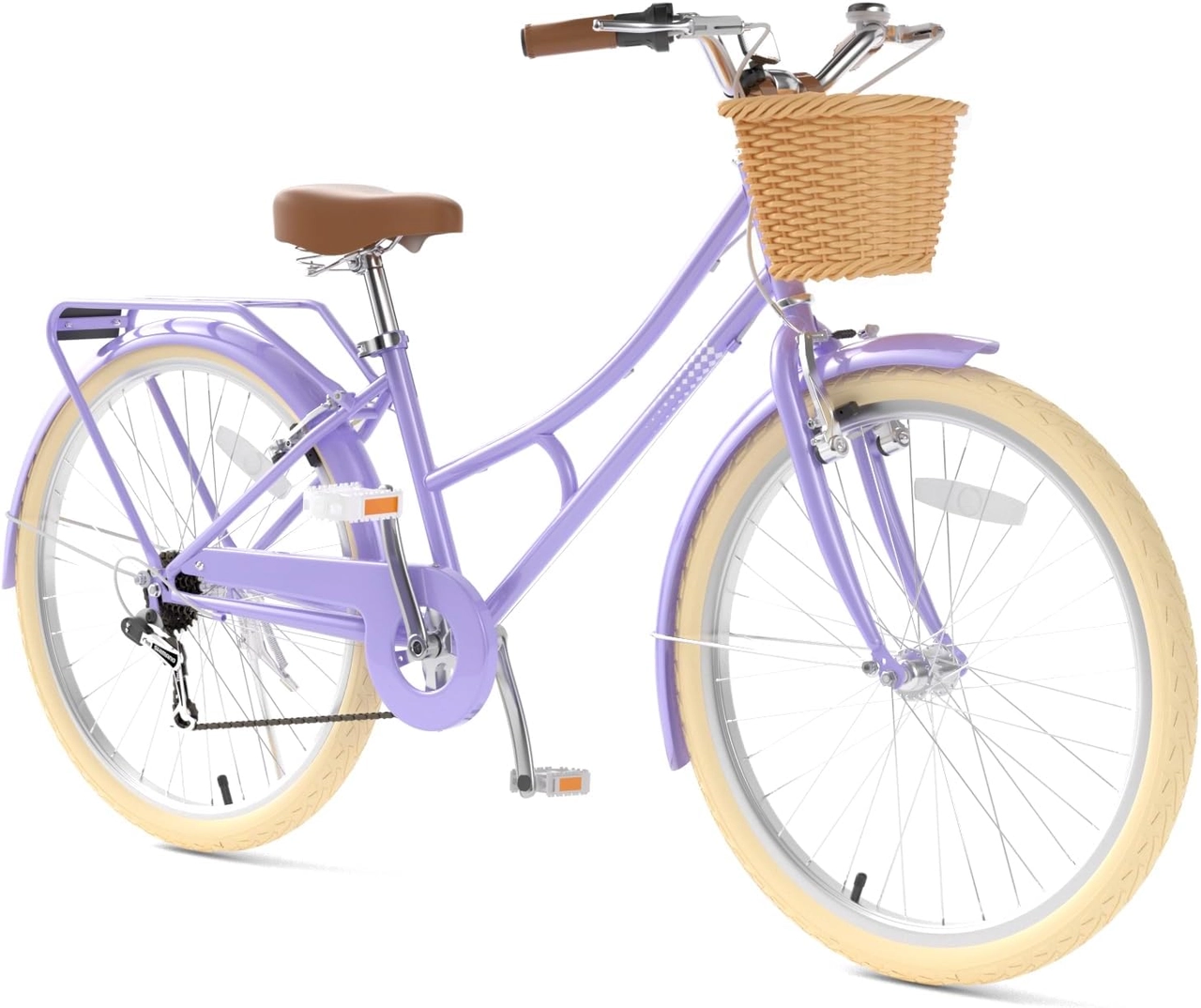
The 26-Inch XJD Beach Cruiser Bike for Girls – Purple, V-Brake is a beach cruiser catalog option with available SKU labels covering 20, 24 and 26 Inch sizes in listed colors. Those sizes begin at 48 inches / 122 cm under the XBikes starting points, so they are later-stage comparison options—not baby bicycles or substitutes for passenger equipment.
These catalog options help answer the title by showing how far independent-bike sizing comes after the baby-passenger decision: even the smallest supplied 20 Inch label is intended as a starting point for a substantially taller, older rider who must still pass an individual fit and control check.
Your next decision
- If the baby cannot sit unsupported and keep their helmeted head steady, wait.
- If the child appears developmentally ready, check with the pediatrician when uncertain and compare the child directly with every requirement in the exact seat or trailer manual.
- Verify helmet, restraint, installation and adult bicycle control before a short stationary check and a slow ride away from traffic.
- For an independent bicycle later, measure height and inseam first; then confirm reach, stand-over, braking and confidence in person.
The practical answer is simple: carry a baby only after developmental readiness and equipment fit are both confirmed; choose an independent bike only years later, when the child’s measurements and control match it today.
Bikes for your next adventure
-

Flower Pink XJD Girls Bike with Doll Seat & Basket
The XJD Flower Pink girls' bike is made for riders 71–122 cm tall (roughly ages …$69.99
-
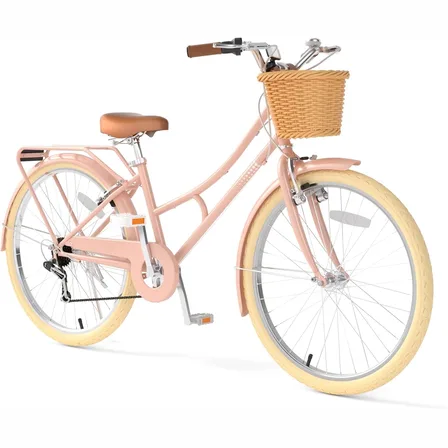
Pink XJD Beach Cruiser Bike, 24"/26", U-Brake
The XJD Pink Beach Cruiser Bike is a single-speed cruiser built for older kids a…$159.99
-
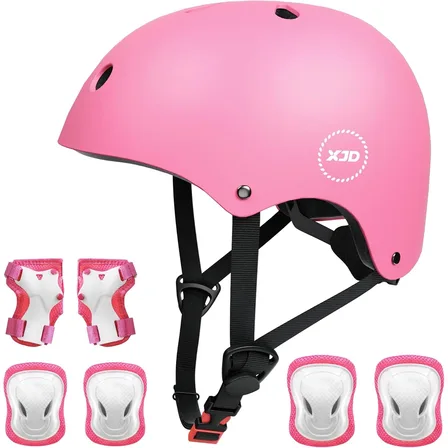
XJD Kids Helmet & Protective Gear Set for Girls, Pink
The XJD Kids Helmet & Protective Gear Set in Pink is a complete safety kit for g…$24.64