

When can baby go on bike seat
A baby can go in a bicycle child seat only when they can sit upright unsupported, hold their head steady in a properly fitted helmet, and meet every minimum in the seat and bicycle manuals. Age alone is not enough.
Check readiness before planning a ride
Begin with the child, not the calendar. During an ordinary seated period, confirm that the baby can remain upright without being propped up and can consistently control their head and neck. Then check whether a correctly fitted bicycle helmet can be worn without overwhelming that control.
If the baby slumps, tips sideways, cannot keep their head steady, or is not ready for a helmet, wait. A sleeping child also needs adequate support from the approved seat system; never assume that awake posture proves sleeping posture will be controlled.
Because child-seat requirements vary, read the exact manual before use. Its stated minimum age, developmental requirements, load limits, harness directions and permitted mounting arrangement all apply. Where the manual, local rules or medical advice is more restrictive, follow the more restrictive guidance.
Measure and compare the equipment
Record the child's current weight and any other measurement requested by the child-seat manufacturer. Compare those figures directly with the seat's limits rather than estimating or allowing room for growth.
- Child: Check unsupported sitting, steady head control, helmet fit and every manufacturer-specified measurement.
- Child seat: Confirm the model is intended for the child's present size and developmental stage, with no missing or damaged parts.
- Adult bicycle: Verify that its manufacturer permits the exact seat type and mounting location.
- Combined setup: Follow both manuals for compatibility, assembly, maintenance, load limits and fastener torque.
If a specification is missing, unclear or contradictory, do not improvise a number or mounting method. Ask the manufacturer or have a qualified bicycle mechanic inspect the exact bicycle-and-seat combination.
Fit the helmet and restraint separately
A bicycle helmet must fit properly, sit level and use its straps according to the helmet manufacturer's instructions. Check it on the child rather than relying only on an age label. The seat harness must also be adjusted exactly as its manual directs, without substituting the helmet for restraint or the restraint for head protection.
Clothing, blankets, straps and loose objects must not be able to reach moving bicycle parts. Recheck the fit whenever clothing changes or the child grows. Stop using the setup when any stated limit is reached, even if the child still appears comfortable.
Test the complete setup before carrying the baby
Installation changes how the adult bicycle balances and handles. Before placing the child in the seat, inspect the mount and bicycle as directed by their manuals. Then practise mounting, dismounting, starting, stopping and turning without the child, using an appropriate substitute load only if the seat manufacturer permits it.
For the first actual outing, choose a short, calm route away from traffic and difficult surfaces. Have another adult help while loading and unloading if needed. Never leave a child unattended in a bicycle-mounted seat, particularly when the bicycle is supported only by a stand.
How the supplied kids' bikes relate
The supplied products are not baby passenger seats. They are later-stage comparison points for a child who is ready to ride a separate bicycle: the XJD Girls BMX Bike 12/14/16 Inch with Training Wheels – Pink Blue and the XJD Boys & Girls BMX Bike with Training Wheels, 12/14/16" – Blue are both Kids' BMX Bikes offered in 12 Inch, 14 Inch and 16 Inch labels. They help distinguish passenger-seat readiness from choosing an independently ridden bike.
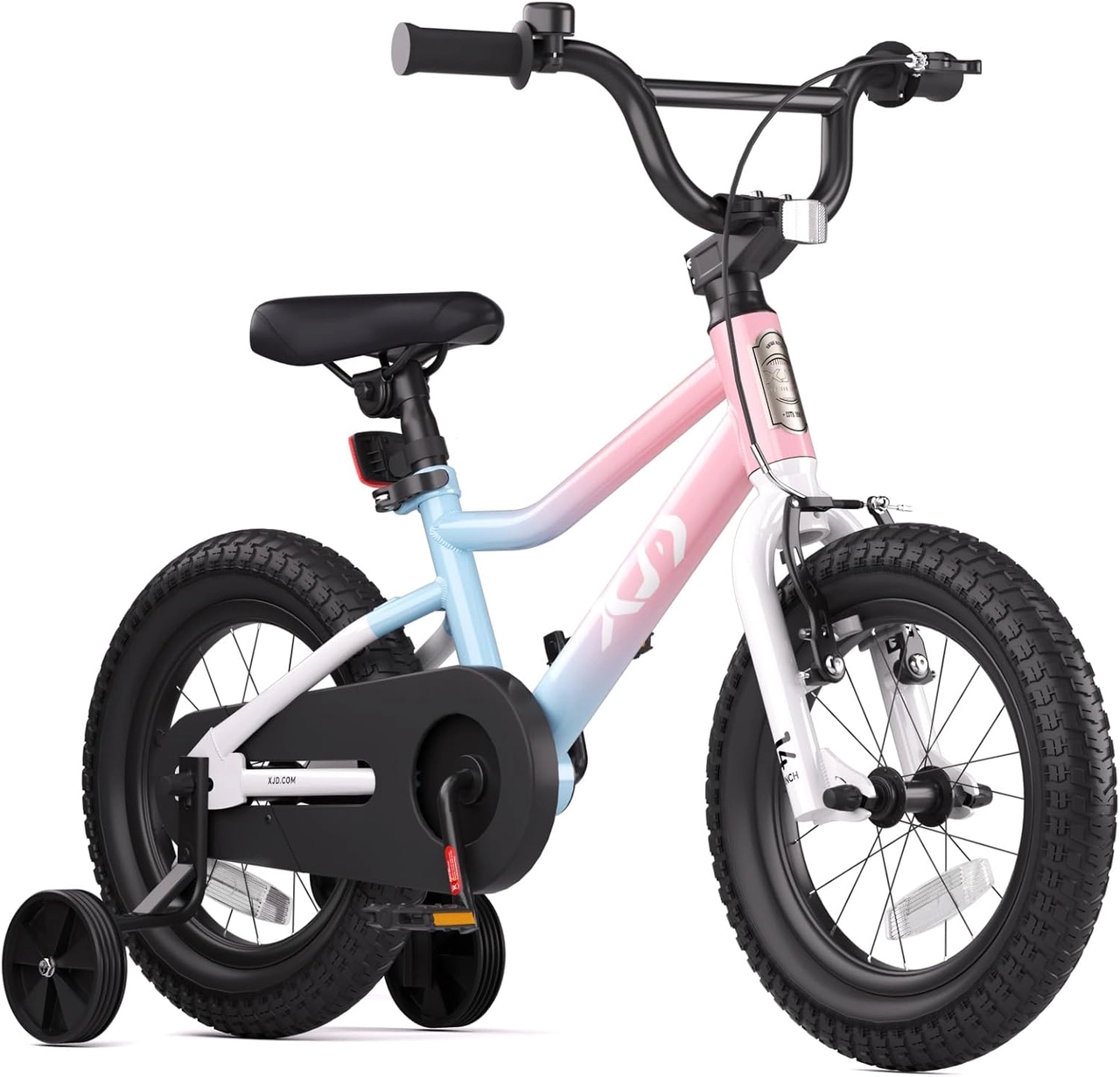 XJD Girls BMX Bike 12/14/16 Inch with Training Wheels – Pink Blue
A later-stage Kids' BMX Bike offered in 12 Inch, 14 Inch and 16 Inch labels. It is relevant when a child is ready to ride independently, not as a baby passenger-seat option.
 XJD Boys & Girls BMX Bike with Training Wheels, 12/14/16" – Blue
A Kids' BMX Bike with training wheels in supplied 12 Inch, 14 Inch and 16 Inch choices. Use it only as a later independent-riding comparison, with measured height and an individual fit check.
For those later-stage bikes, XBikes uses 12 Inch as a starting point for ages 3–4 and heights 34–40 in (86–102 cm); 14 Inch for ages 3–6 and 37–45 in (94–114 cm); and 16 Inch for ages 4–7 and 40–48 in (102–122 cm). These ranges are starting points, not proof of fit.
When that transition arrives, measure standing height and inseam, then have the child try the bicycle. Check stand-over clearance, reach, brake control and current confidence. Do not buy an oversized bike merely for growth. The two catalog bikes share the same supplied size choices, so the available facts do not establish a fit advantage for either one.
Make the decision today
Use three gates: the baby has stable unsupported posture and head control; a helmet fits correctly; and both the seat and bicycle manuals explicitly approve the child and installation. If any gate fails or cannot be verified, postpone the ride. The listed 12-, 14- and 16-inch BMX bikes become relevant only later, when the child is developmentally ready to control a separate bicycle and passes an individual fit check.
Bikes for your next adventure
-

Flower Pink XJD Girls Bike with Doll Seat & Basket
The XJD Flower Pink girls' bike is made for riders 71–122 cm tall (roughly ages …$69.99
-
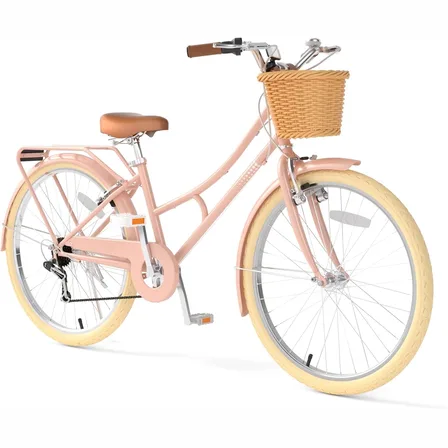
Pink XJD Beach Cruiser Bike, 24"/26", U-Brake
The XJD Pink Beach Cruiser Bike is a single-speed cruiser built for older kids a…$159.99
-
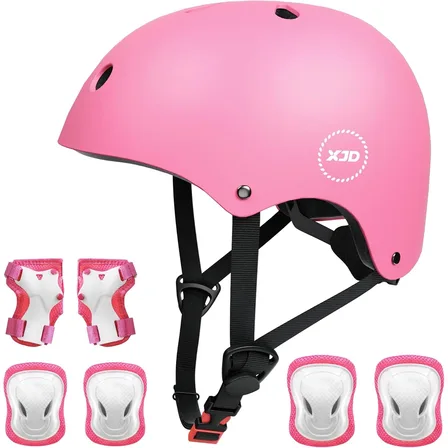
XJD Kids Helmet & Protective Gear Set for Girls, Pink
The XJD Kids Helmet & Protective Gear Set in Pink is a complete safety kit for g…$24.64