

When can you bring your baby on a bike ride
You can bring your baby on a bike ride only when the baby can sit unsupported, maintain head and neck control while wearing a properly fitted helmet, and meets every requirement in the child carrier or trailer manual. Confirm readiness with your pediatrician and follow local rules before riding.
Readiness matters more than a birthday
There is no single birthday that makes every baby ready. Development, the carrying equipment, and applicable laws all affect the decision. A baby who cannot remain upright and control their head while helmeted is not ready for a bicycle ride.
Before proceeding, compare your child’s current abilities with the minimum age, size, and developmental requirements stated by the exact carrier or trailer manufacturer. Do not estimate missing limits or assume that one carrying system’s instructions apply to another.
What to measure and check
- Current height and weight: compare both with the carrier or trailer manual’s stated limits.
- Seated stability: confirm the baby can sit unsupported rather than being propped into position.
- Head and neck control: check that control remains steady while the baby wears the intended helmet.
- Helmet fit: the helmet should fit properly, sit level, and have its straps adjusted according to its manufacturer’s instructions.
- Harness and space: use the manual to confirm correct restraint fit and adequate helmet clearance.
If any measurement, limit, or compatibility requirement is unclear, pause and contact the equipment manufacturer or a qualified bicycle mechanic. A pediatrician can help assess developmental readiness but cannot replace the carrying system’s instructions.
Prepare the bicycle and carrying system
Use only a purpose-designed child carrier or trailer that the bicycle and carrying-system manufacturers identify as compatible. Follow the exact manuals for assembly, attachment, load limits, maintenance, and pre-ride checks. Do not invent a mounting method or carry a baby on a bicycle intended only for a child rider.
Start only after the adult rider is comfortable controlling the fully equipped bicycle. Choose a short, predictable first outing away from demanding traffic or rough surfaces, and stop if the baby cannot remain securely and comfortably positioned.
When the supplied bikes are relevant
The two supplied catalog options are training-wheel bicycles for children who are ready to ride their own correctly fitted bike. They help distinguish that later stage from bringing a baby as a passenger; neither product is a baby carrier, trailer, or substitute for one.
 Girls' Training Wheel Bike by XJD with Basket – Purple
A training-wheel bicycle offered in 14 Inch, 16 Inch, and 20 Inch labels. It is relevant only when a child is ready to ride independently, not for carrying a baby.
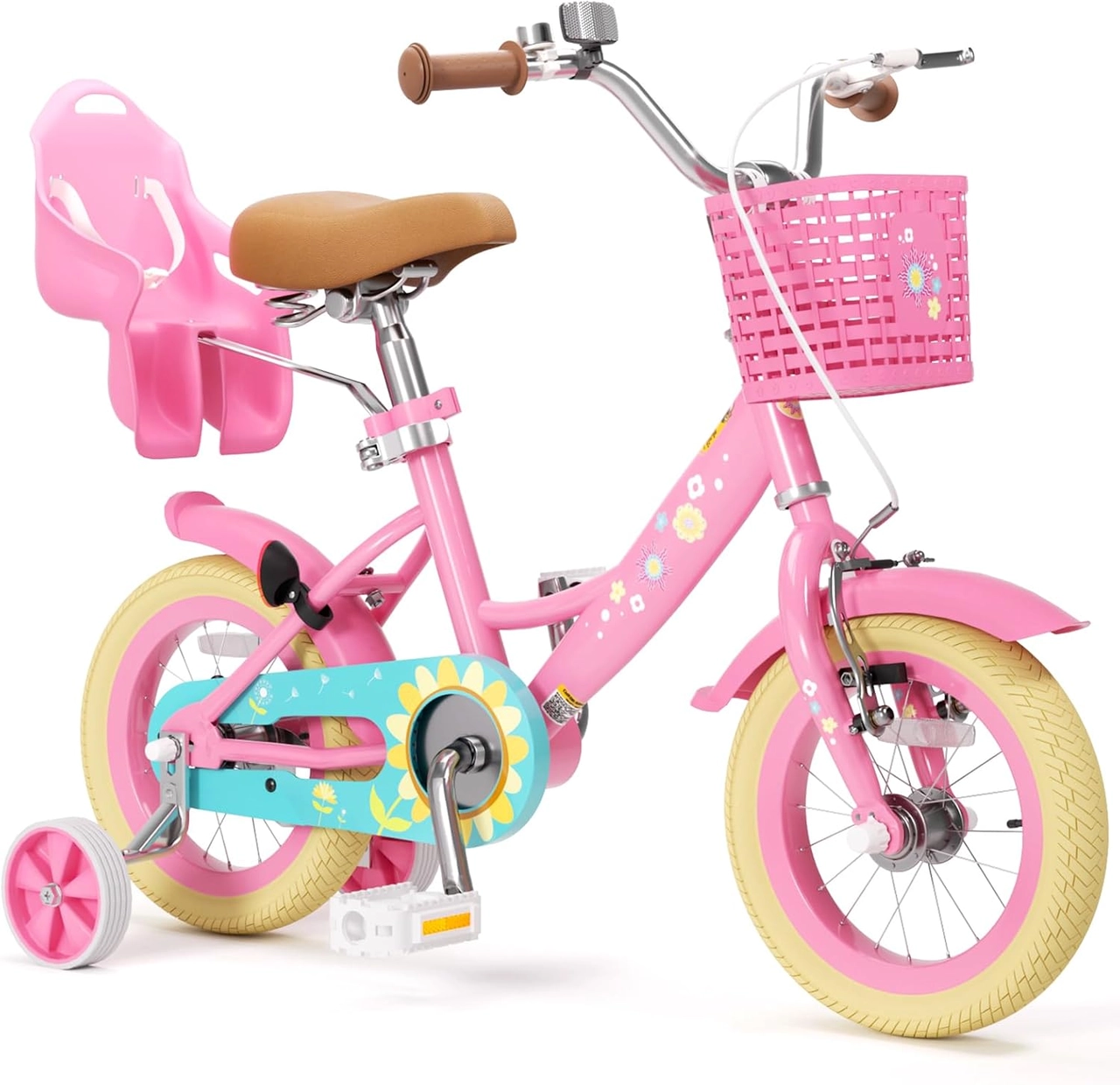 Flower Pink XJD Girls Bike with Doll Seat & Basket
A training-wheel bicycle offered in 12 Inch, 14 Inch, and 16 Inch labels. Its doll seat and basket do not make it a baby-carrying system; use it only after an individual rider fit check.
Flower Pink XJD Girls Bike with Doll Seat & Basket is offered in 12 Inch, 14 Inch, and 16 Inch labels. Girls' Training Wheel Bike by XJD with Basket – Purple is offered in 14 Inch, 16 Inch, and 20 Inch labels. Their baskets or doll seat do not make them suitable for transporting a baby.
Use wheel size only when the child rides
When your child eventually moves from passenger to rider, measure height first and treat age only as a starting point. XBikes uses these ranges:
| Wheel label | Starting age | Rider height |
|---|---|---|
| 12 Inch | 3–4 | 34–40 in / 86–102 cm |
| 14 Inch | 3–6 | 37–45 in / 94–114 cm |
| 16 Inch | 4–7 | 40–48 in / 102–122 cm |
| 20 Inch | 7–12 | 48–60 in / 122–152 cm |
These ranges cover the supplied products, but they do not prove individual fit. Have the child try the bicycle. Check stand-over clearance, inseam, reach, brake control, and current confidence; never buy an oversized bicycle merely to allow room for growth.
The 12 Inch option appears only on Flower Pink XJD Girls Bike with Doll Seat & Basket, while the 20 Inch option appears only on Girls' Training Wheel Bike by XJD with Basket – Purple. Both list 14 Inch and 16 Inch choices. Compare only the exact selected wheel label, then complete an individual fit check.
Your go-or-wait decision
Wait if the baby lacks unsupported sitting or helmeted head control, falls outside any equipment requirement, or if compatibility and installation remain uncertain. Go only after your pediatrician has addressed developmental concerns, every manual requirement is satisfied, the helmet fits correctly, and the adult can control the complete setup. The supplied training-wheel bikes become relevant later, when the child is independently ready to ride and can be fitted to a listed wheel size.
Bikes for your next adventure
-
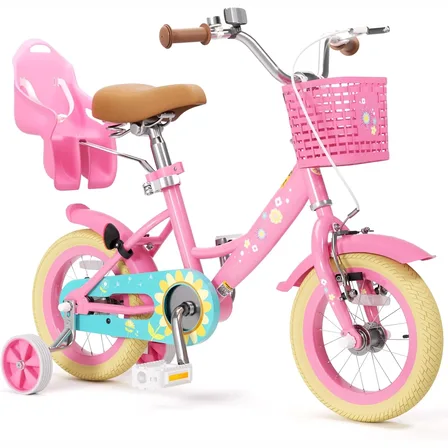
Flower Pink XJD Girls Bike with Doll Seat & Basket
The XJD Flower Pink girls' bike is made for riders 71–122 cm tall (roughly ages …$69.99
-
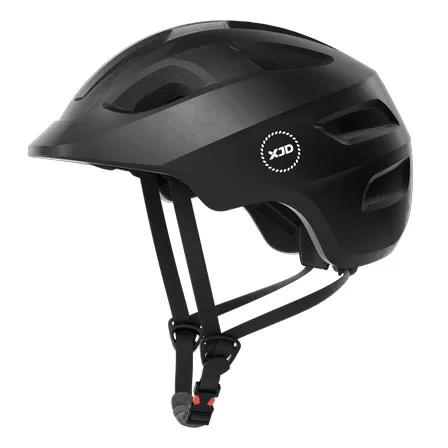
Kids Multi-Sport Bike Helmet by XJD – Black
7 reviews
The XJD Kids Multi-Sport Bike Helmet in Black is a lightweight, adjustable helme…$59.99
$49 -
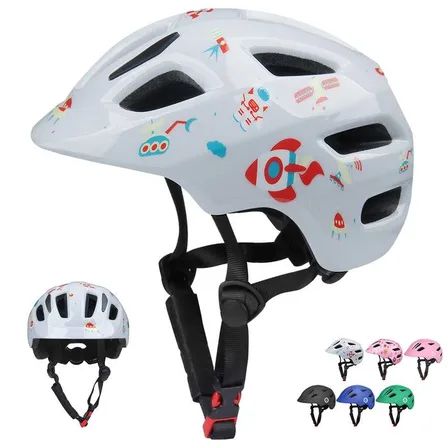
White Astronaut Bike Helmet for Kids by XJD – Toddler to Youth Sizes
4 reviews
The XJD White Astronaut kids' bike helmet is made for toddlers through younger e…$59.99